WSP - Planning Port Terminals Using PRIME (Port, Rail, Intermodal Modelling Engine)
Maritime Cargo Container Terminals

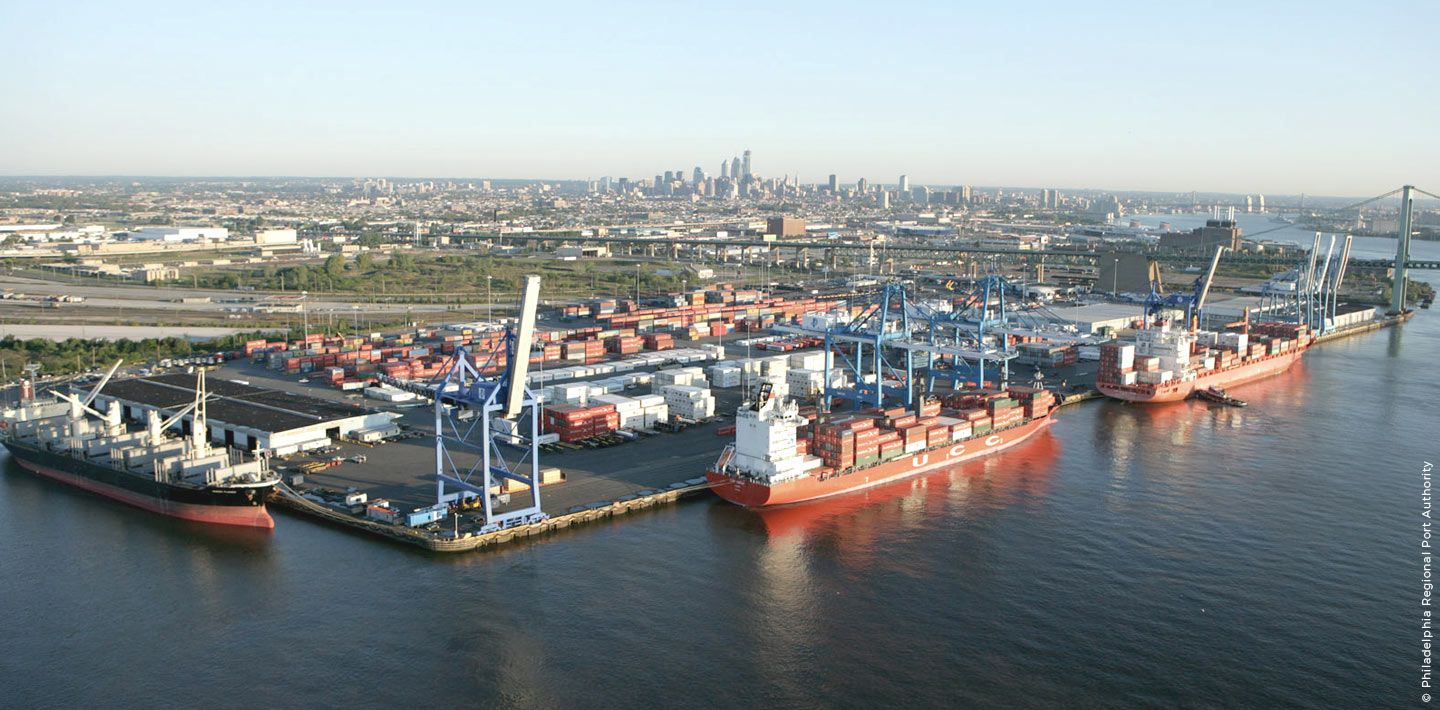
Container terminal
Intermodal Maritime Cargo Facilities

Intermodal terminal
Maritime Dry and Liquid Bulk Cargo Facility

Dry bulk terminal
Liquid bulk terminals

Liquid bulk terminals
Maritime Cargo Auto and Ro-Ro Terminals

Auto cargo
Inland Ports and Waterways
Port entrance facilities

Browse featured projects


What types of port terminals does WSP plan and design?

WSP plans and designs a full range of port terminals, including container terminals, intermodal terminals, dry bulk and liquid bulk terminals, break bulk facilities, auto and Ro-Ro terminals, inland ports, and port entrance facilities. Our integrated approach supports both new developments and terminal expansions, ensuring infrastructure is efficient, scalable, and aligned with long-term trade and market demand.

How does WSP help ports plan for future growth and market uncertainty?

WSP helps port owners and operators carefully match capacity to demand by combining market forecasting, operational analysis, and scenario planning. Our teams assess geopolitical trends, shipping patterns, vessel size evolution, and technology adoption to avoid costly over-investment or under-capacity, enabling terminals to remain competitive, resilient, and financially sustainable.

What is PRIME and how does it support port terminal planning?

PRIME (Port Rail Intermodal Modeling Environment) is WSP’s proprietary planning tool that links terminal layout design directly to operational and financial models. It allows rapid testing of alternative layouts and operating strategies, enabling decision-makers to instantly quantify throughput, capacity, cost, and revenue impacts for container, intermodal, and multi-cargo port terminals.

How does WSP design efficient container terminals?

WSP designs container terminals to optimize land use, berth productivity, and equipment performance. Our expertise includes quay and gantry crane systems, terminal automation, berth depth optimization, gate systems, and yard layouts. We ensure terminals can accommodate larger vessels and increased container volumes while improving safety, efficiency, and lifecycle performance.

What experience does WSP have with intermodal port terminals?

WSP has extensive experience delivering intermodal terminals that seamlessly integrate marine, rail, and road operations. Our multidisciplinary teams plan terminal layouts, rail interfaces, landside access, logistics zones, and automated information systems, reducing cargo handling, improving security, and accelerating freight movement across the supply chain.

Join our team.

Join a team of talented people looking to have a positive impact, shape engaging places, and see the future clearly.

Explore career opportunities