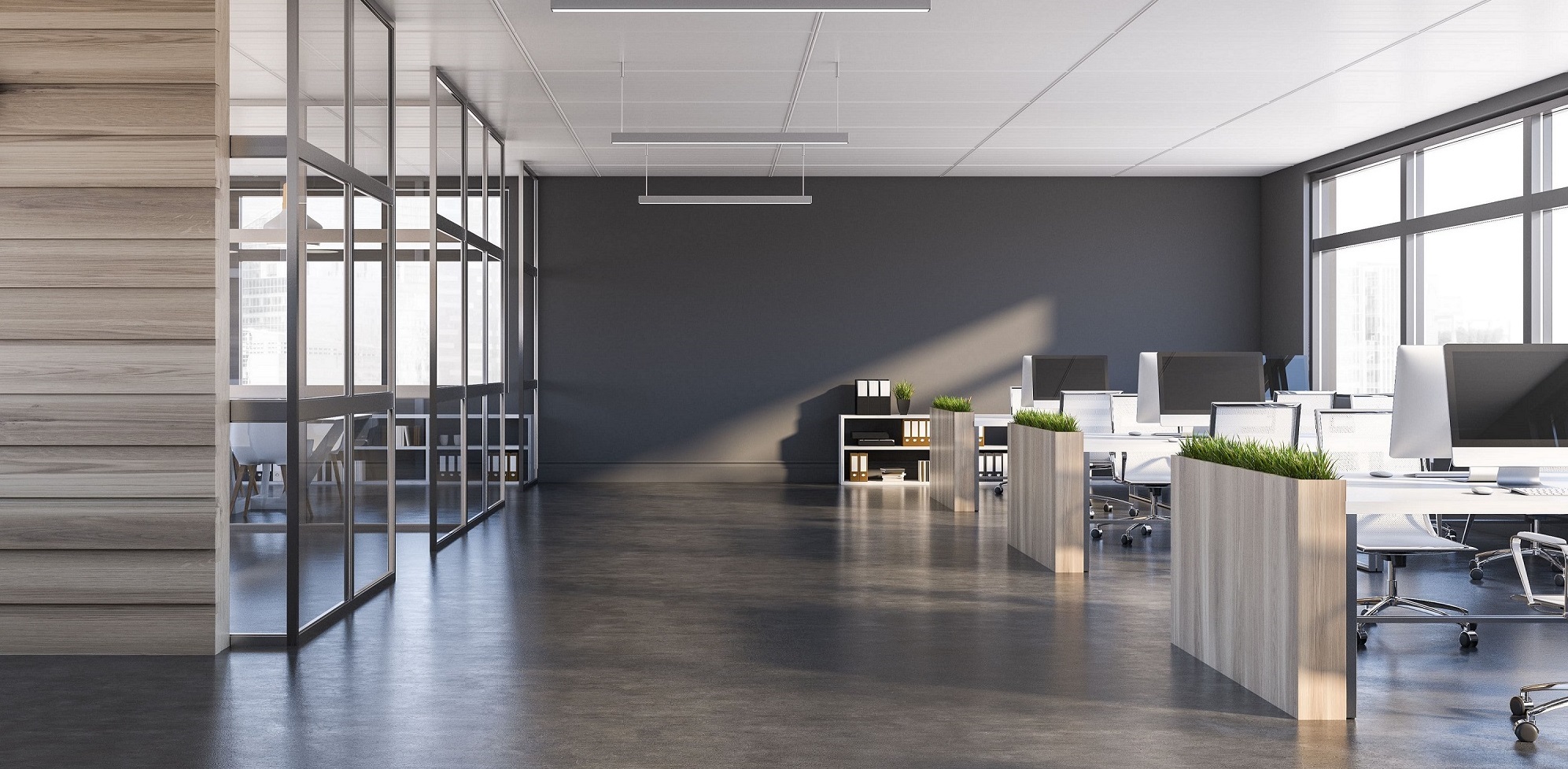
Which elements of a workplace should we aim to improve?

What are the key stages in the process of elevating a workspace environment?
As part of WSP’s Future Ready program, in the pursuit of evolving workplaces and workplace health and wellbeing, our teams collaborate with clients to plan and implement ESG principles including strategies for decarbonisation, climate resiliency and sustainability, technology and digitalisation, and business growth.

The first step is to begin with a detailed research phase, followed by implementation of solutions and technology to capture data about the environment that will guide the subsequent actions. Data capture technologies measure progress and success, working in a feedback loop to achieve continuous elevation of the environment.
This is where smart technologies in buildings can have the greatest impact
The introduction of smart buildings is useful in enhancing the physical environment, increasing the desirability of a workplace, and providing valuable support for modern workplaces to provide optimal working conditions.
Some of the smart technologies we often see in the market:

There are many more alternative and experimental, yet less well-established kinds of smart technologies on the market too, as vendors are always trying to break the mould in the name of striving for better health.
What will we do next time something throws off the way our buildings are used?
There are always evolving expectations of what our buildings need to do.
We should always be open to new considerations and enhancements that can be implemented in anticipation of, or in response to, additional issues. The best solutions to protect our health should be long-lasting, with ongoing maintenance and controls in place.
The right technology solutions provide valuable support that can future proof your asset. This will bring far more benefit than technology that is added to a building in reaction to changes. If the options are not properly assessed and selected, you may be left with a redundant piece of technology, should the social fixation and expectations of a building pivot heavily. This is something our team has seen previously, including big changes in trends around what is most important for the built environment, from sustainability, to wellness, and now to technology.
One of the benefits of smart buildings is that they are responsive to current conditions, adaptable to future requirements, and the technology layer helps mitigate problems in the long term, to prevent the cause, rather than treat the symptoms on the surface.
|
While major global events can occur that have an enormous impact on businesses worldwide, such as the covid-19 pandemic, there doesn’t necessarily need to be an event as large as this to have a drastic and abrupt impact on the way our workspaces and buildings are used.
Have our workplace health and wellbeing standards slipped back to where they were pre-covid?
The covid-19 pandemic enormously impacted the way we work, and the spaces in which we work. For example, many workspaces have adapted to account for new policies allowing hybrid or flexible working, and greater priority tends to be placed on collaborative or meeting spaces now, rather than filling offices with desks. Digital platforms and networks have also been improved to better facilitate remote working.
During the pandemic however, the immediate focus was on health and hygiene, to prevent the spread of the virus. Most workplaces turned to sanitisation stations, mandating of face masks, hygiene reminders and announcements, social distancing, and more frequent cleaning, all of which operated as temporary ‘quick fix’ solutions that are no longer implemented.
The reality is, it is not as cut and dry as expecting that we can move on from a problem once it has passed. We should be implementing measures to continuously elevate our spaces
|
to a point where we prevent, control, or adapt to the existing or previous issue, and ensure the same cannot return. The height of the pandemic is behind us, and we have removed face masks, but we must monitor indoor air quality and utilise proper ventilation and purification technologies to avoid slipping back to the previous standards that allowed the problem to occur. We must still maintain the same awareness of and attention to health to ensure optimal conditions and continuous elevation of the work environment.