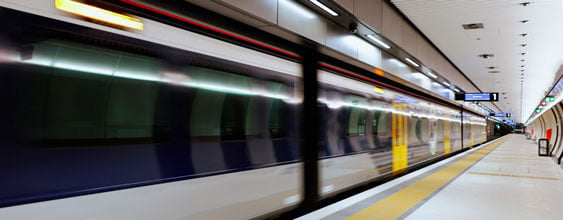
Facing rapid population growth and urban development, the rail-based TOD model is widely regarded as the solution that integrates and optimise land use and transport in China by clustering jobs, housing, services and amenities around public transport stations. Nanchang of Jiangxi province is among the emerging cities that explore this mode.
With the new Metro Line 2 opened in mid-2019, WSP offered comprehensive transport consulting services on TOD mode to achieve sustainable urban development and low-carbon urban traveling by improving transport system efficiency and accessibility of the surrounding areas of the metro line. The project was under GEF funding in partnership with the World Bank.
Our Comprehensive Solutions
Our comprehensive approach reviewed the land parcels along the Nanchang Metro Line 2 and recommend a scheme to improve transport development in line with TOD strategy. We developed a synthetic transport model with PTV software, supported by land use and transport information database, to review different land use mix option and identify the best scenario to encourage people using public transport and reduce carbon footprint.
Apart from conducting background survey and formulating integrated transport planning and design along the Metro Line 2, WSP ran pilot programmes and research on BRT network/lines along the Metro Line 2, before preparing corridor-level policy guidelines/manuals as the project deliverable.