After more than a decade of planning and construction, the Los Angeles County Metropolitan Transportation Authority (Metro) opened its $1.8 billion Regional Connector project in the summer of 2023.
Transit authorities initiated the project to create smoother, faster, transfer-free rides between Azusa and Long Beach, and East LA and Santa Monica — all through LA’s downtown core.
The newly constructed 1.9-mile rail link improves connections by bringing together the Metro L (Gold), A (Blue), E (Expo), B (Red) and D (Purple) lines at the 7th Street/Metro Center Station. The new A and E lines share five downtown Los Angeles stations, providing an easier commute for 88,000 daily riders and giving travelers plenty of transfer options along the way.
On Board From the Beginning
WSP began working on the Los Angeles Regional Connector project in 2008, providing planning, design and environmental services from conceptual engineering through the bid process.
The contract for construction began in May 2014. WSP provided on-site design support on behalf of Metro with Regional Connector Constructors, the joint venture of Skanska and Traylor Brothers, Inc., contracted by Metro to design and build the project.
New Stations and Access for Riders
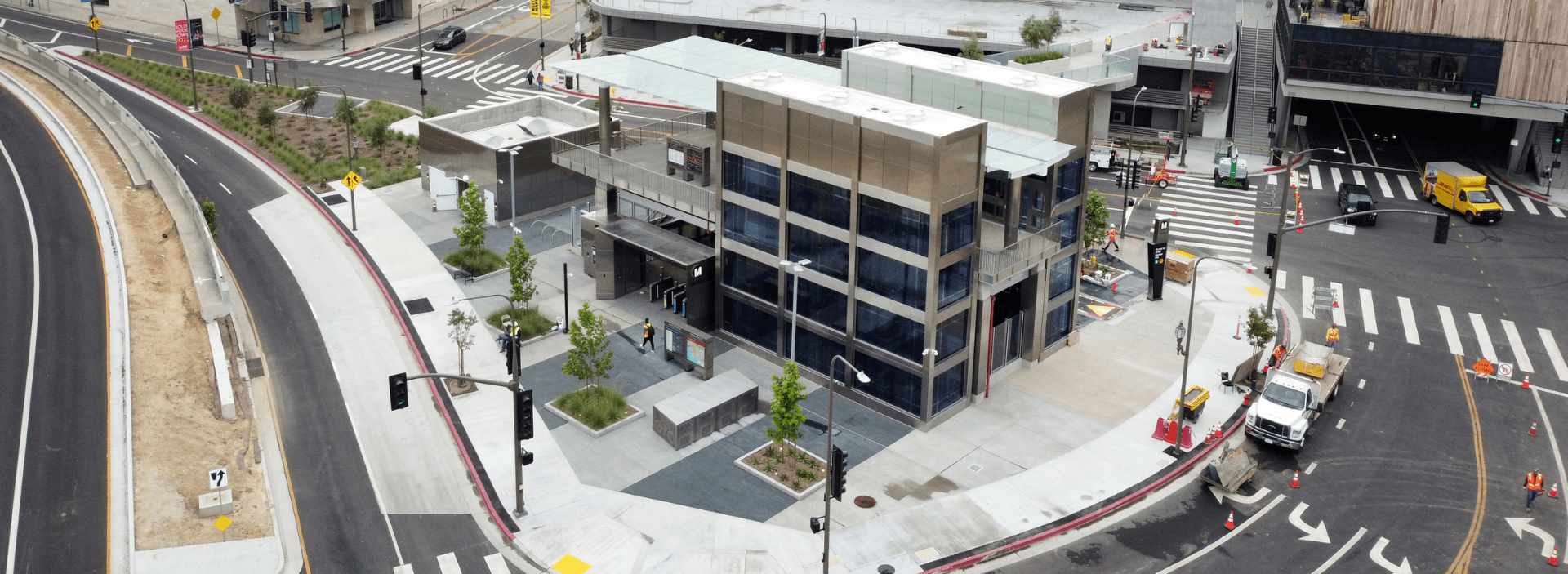
The project delivered three new stations: Little Tokyo/Arts District Station at 1st Street and Central Avenue, Historic Broadway Station at 2nd Street and Broadway and Grand Avenue Arts/Bunker Hill Station at 2nd and Hope streets.
The new stations provided new access to several major Los Angeles cultural institutions and districts: the Walt Disney Concert Hall, the Colburn School of Music, The Broad art museum, the Japanese American National Museum, the Downtown Los Angeles Financial District, the Little Tokyo and the Arts District.
Firsts for Metro
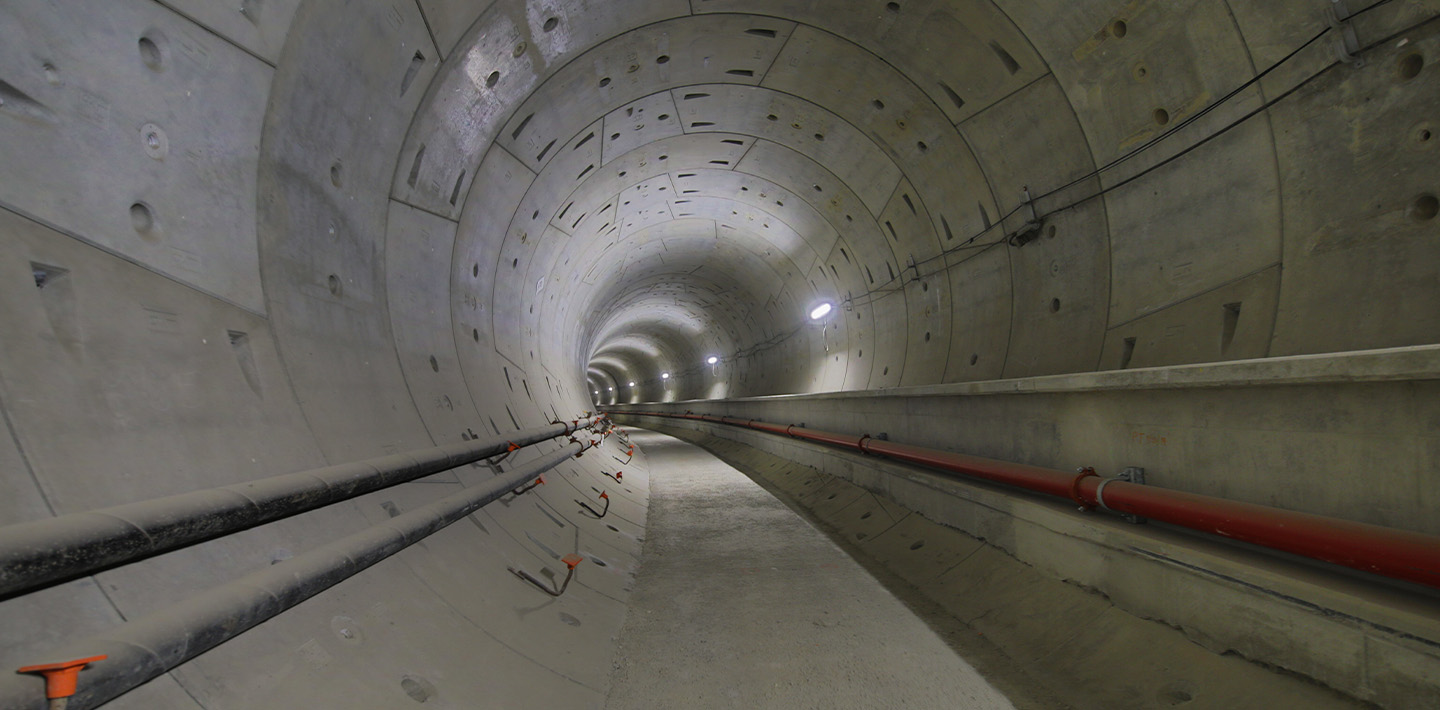
The Regional Connector also meant several “firsts” for Metro, including the agency’s first crossover cavern excavated in soft rock and a nearly 300-foot-long rail crossover adjacent to the Historic Broadway Station.
Metro also installed high-speed elevators for passenger access instead of escalators for the first time. Located approximately 100 feet below the surface, the Grand Avenue Arts/Bunker Hill Station has six high-speed elevators with the hoisting equipment below the elevators, not above, to avoid the visual impact at the station entrance pavilion.
One of the project’s innovations involved the location of the fan plant that provides ventilation for the new tunnel at the junction of the two lines coming into Little Tokyo. Rather than backfilling the tunnel boring machine’s launch pit when tunneling concluded, the fan plant was installed in this location, thus avoiding additional excavation and resulting in significant cost savings for the client.