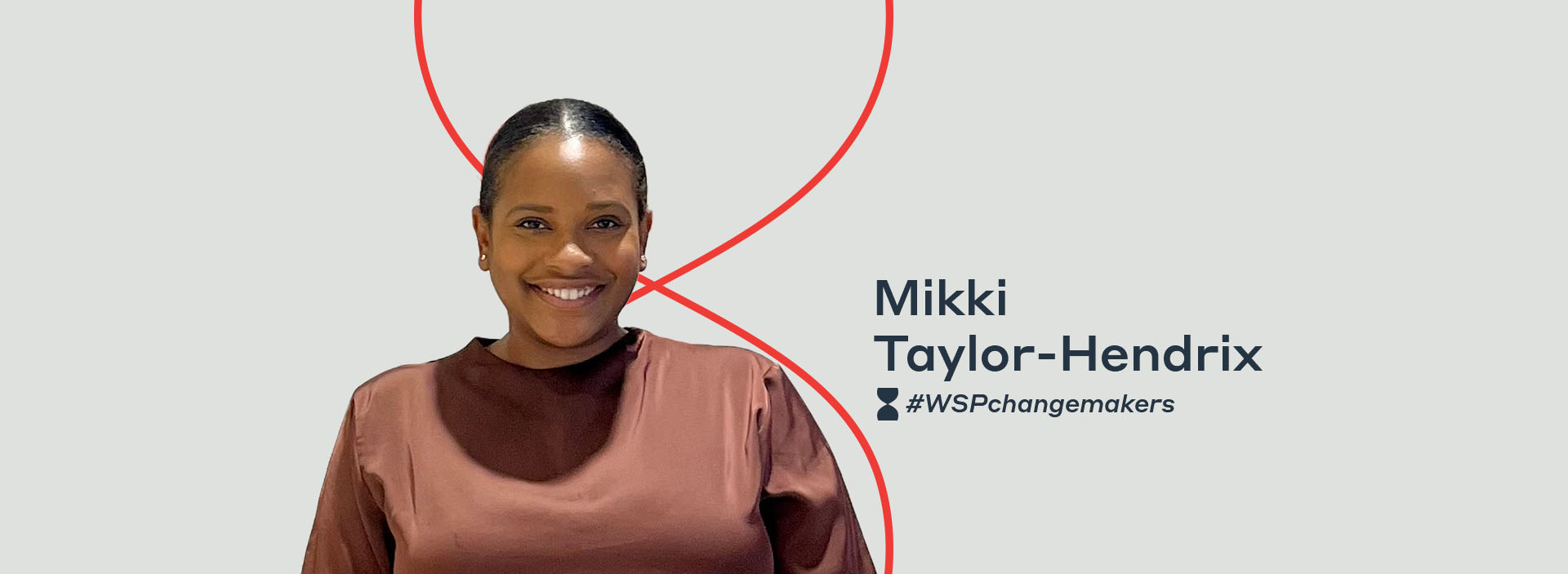
I am passionate about cities, culture and people, and I’m inspired by the resiliency of minority communities. I am driven to serve communities as they evolve with a focus on ensuring that residents are part of the process in shaping what the future looks like.
My responsibility as a communications and public involvement (CPI) specialist for WSP USA is to support each project’s communication needs, as well as other specific needs around engaging a targeted audience.
This means that if the project needs to engage or inform the public, then I work on the scope and oversee the work plan for how the audience will be engaged, informed and involved throughout the project.
Communicating Project Goals
My background is in urban planning, including a bachelor’s degree in urban studies and a master’s degree in urban and regional planning. I previously worked as a transit planner for the Detroit Department of Transportation (DDOT), where I collaborated with many other city departments to ensure that, when necessary, DDOT was involved and informed to make necessary changes and improvements to compliment projects and meet rider needs.
From my experience in planning, I’ve found that I really enjoy community engagement and connecting with people to work through planning efforts, valuing the insight and nuances of each project and community.
What excites me about my role at WSP is the opportunity to work on a wide range of projects. So far, I’ve worked on transit projects, planning and environmental linkage studies, long term transportation planning projects and highway construction projects. While I continue to grow in these areas, I’m also gaining experience in new areas.
I also like creating the right communications and engagement plans for each project. CPI has a wealth of tools and resources, but they don’t necessarily meet the goals of every project. Being involved in projects early on allows me to present and offer the right plan and tools to meet project and client goals.
Reaching Drivers During Construction
I work with the project team to include CPI options and needs into the project proposal and scope of work, and to create the proper strategy to meet the client’s needs. From there, depending on the project and scope, my responsibilities include organizing and facilitating public engagement events, creating public surveys, drafting press releases and managing social media, just to name a few.
For example, I serve as CPI lead for Revive 275, a highway reconstruction project in the Metro Detroit area. This project comes from a state initiative to improve roads, and my work on this project benefits the users of I-275 who navigate this heavy-traffic corridor during construction.
My role on this project began with managing a project website that includes posting road updates such as closures and detours, a photo gallery, project background and timeline, public meeting information and press releases. We’ve been able to guide the Michigan Department of Transportation to do more engagement for this project that will help keep the public both engaged and informed. We now use social media for this project and are producing videos to show progress and key project elements with drone and photography footage.
For Revive 275, digital outreach must be taken into consideration to ensure that we are reaching those who traditionally struggle with access. The communities surrounding the project area have an aging demographic, as well as populations whose first language is not English. To mitigate these concerns, we work with area stakeholders to communicate project information, provide a phone number for more information and translate materials into local languages.
Thousands of people use this highway daily, and knowing where active closures are, as well as detour options and the work timeline, helps drivers plan their trips accordingly. The footage and videos have been valuable to our client to enhance their view of the site for landscape work in the next stage.
Better Outreach through Virtual Innovation
In the last few years, CPI has been using innovative technology practices to successfully engage the public in a virtual setting. We ensured that engagement needs were still met when the COVID-19 pandemic halted in-person engagement by using surveys and tools like Poll Everywhere and Zoom.
Staying current on what new tools and features were becoming available for our CPI resources allowed me to maintain important standards, such as the Americans with Disabilities Act and other equity and accessibility practices.
As things reopen, we’ve seen a mixed response from our client to return to normal in-office staffing, stay virtual or incorporate a hybrid format. Hybrid ventures have allowed us to showcase new tools such as the Owl 360-degree camera and speaker device to maximize the virtual experience when engagement is in-person, as well.
This is also important when it comes to engaging certain demographics, such as minority populations and low-income groups. Over the years and through many different projects, I have worked to meet people where they are and find the best ways to engage with them.
Another facet of work is youth engagement. With many planning projects, the experience of a child, whether a teen or elementary age, is vastly different than that of an adult, and providing options to engage youth has allowed clients to gain an additional perspective and insight that adds to the success of projects.
[To subscribe to Insights, contact the editorial staff at [email protected].]