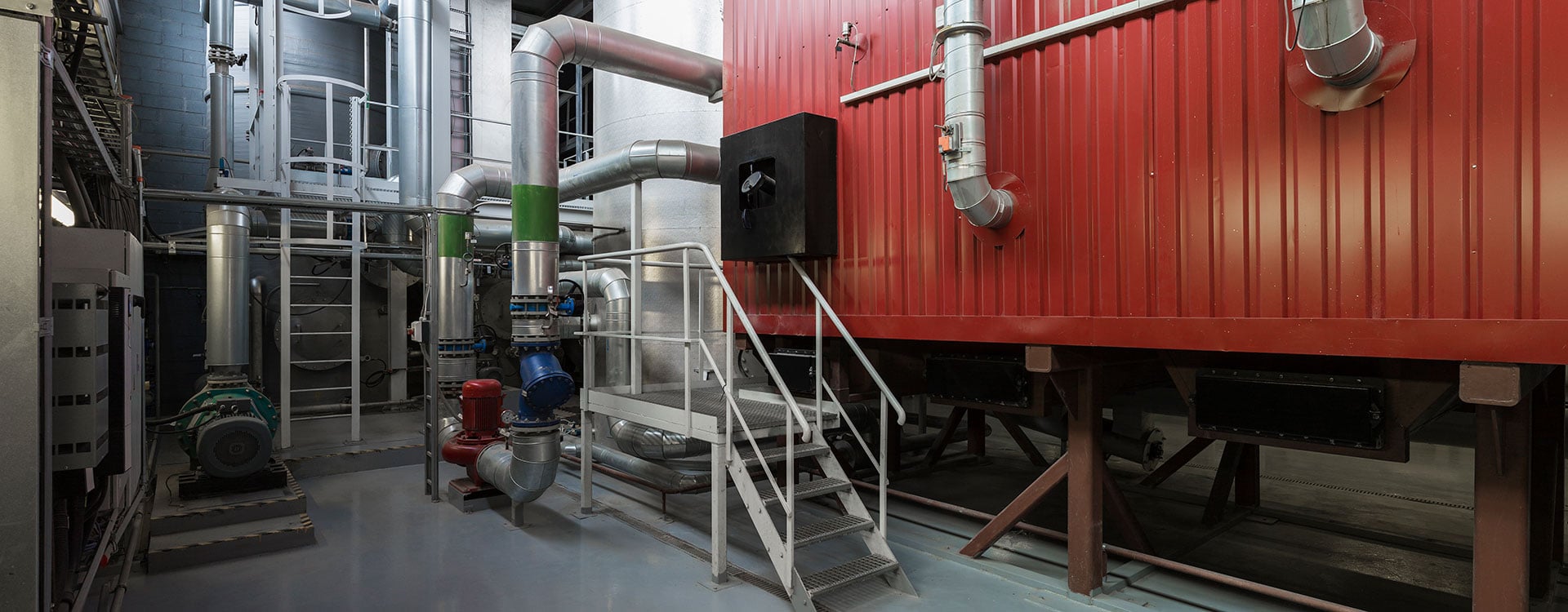
Before partnering with us, the power plant was considered a source of hazardous air pollutants (HAPs). Our strategic modifications to the existing boilers and associated emission factors provided reduced emissions that reclassified the plant as a smaller “area” source of HAPs. This eliminated the need for add-on emission control equipment or additional boiler operational restrictions, making the modifications cost-effective for the City and its ratepayers.
Modifications to the power plant triggered a requirement for Prevention of Significant Deterioration (PSD) permitting. Ordinarily, this process involves an extensive air quality analysis; however, we helped the City limit the analysis to carbon monoxide by making strategic assumptions and calculations for other pollutants and greenhouse gases. All that was needed for PSD compliance was carbon monoxide dispersion modeling and setting and using required Best Available Control Technology.
Compliance with the Clean Air Act required the City to obtain a new Title V operating permit. We modified the existing Title V operating permit to include the new HAPs area designation and the entirety of the City’s power generation sources, including reciprocating engines and the revised fuel, emissions and operation of the three modified boilers.