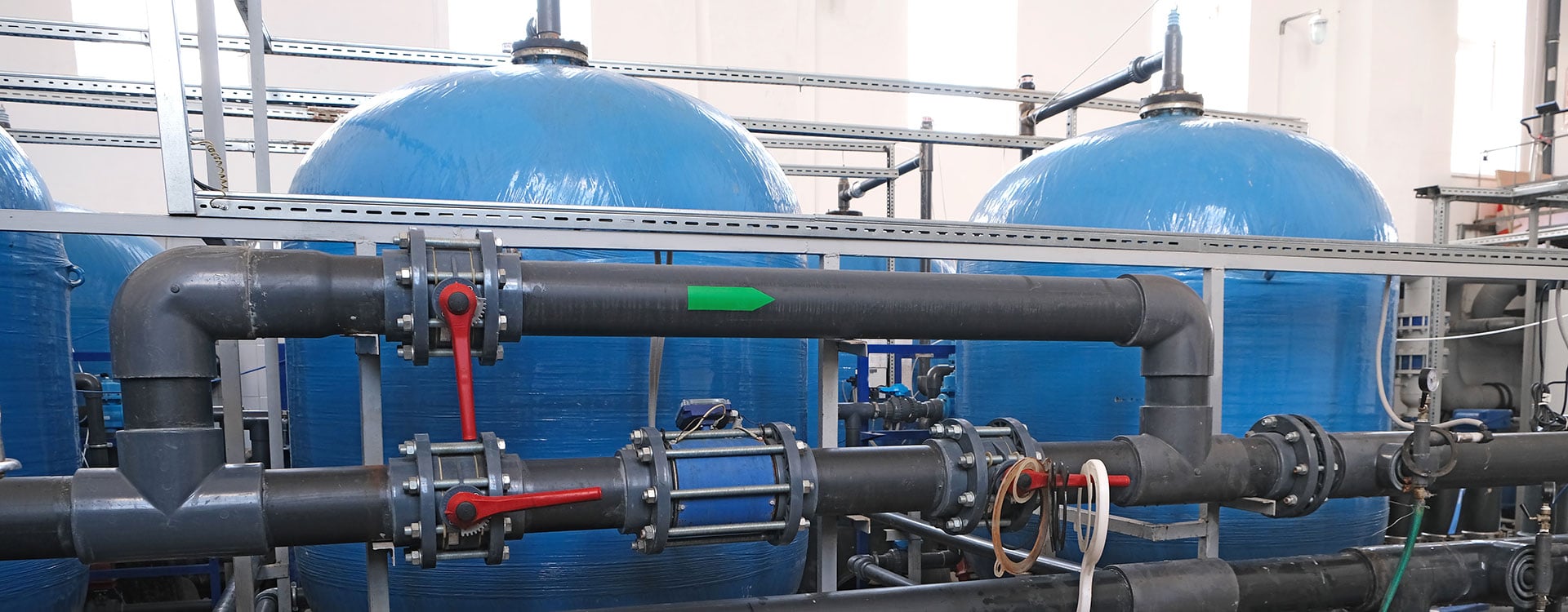
When a Midwest manufacturer faced a recurring issue with premature fouling of ultrafiltration (UF) membranes in their wastewater treatment system, they came to us for help.
Uncovering the cause
Our team started by reviewing existing reports and evaluating the client’s proposed solutions. During the review, we found that a previously completed study recommending the installation of an oil coalescing separator (OCS) to remove free-phase oil from the wastewater was not tailored to the facility’s wastewater, so we conducted a new treatability study that considered the facility's unique wastewater characteristics.
Studying the results
Surprisingly, our study found that petroleum oil in the wastewater was not causing premature fouling of the UF membranes. Rather, the issue stemmed from high concentrations of organic solids that were absorbing vegetable oils in the wastewater stream.
We also discovered that the polymer feed into the UF concentrate was not well controlled, allowing polymer that wasn’t bound with solids to enter the centrifuge and remain in the water reintroduced into the system for retreatment. These solids coagulated in the aeration basin, causing filter fouling and sticking to the filter media, thereby reducing the effectiveness of backwashing and cleaning efforts.