In recognition of World Water Day on March 22, it’s important for us to remember the intense need that we have for improved, sustainable water management practices in the U.S.
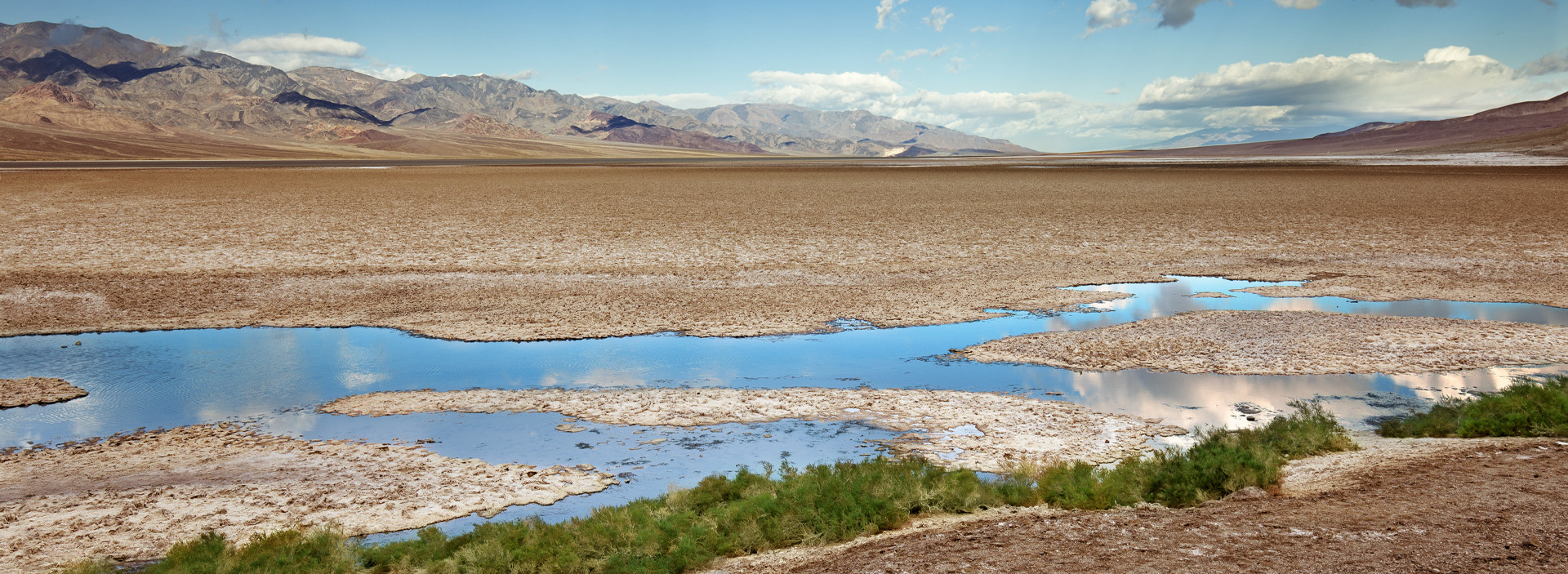
Take, for example, California. Every year, the Golden State sees varying amounts of rainfall in different counties statewide. Last year, parts of Southern California were soaked by up to 11 inches of rain in only a week or so, leading to extensive flooding and dangerous mudslides, while Maricopa County would see less than a full inch of rain over the course of a whole month.
The disproportionate distribution of moisture in the country’s third largest state is a function of geography and weather patterns. A century ago, state officials implemented an ambitious water plan that took advantage of water stored in the Sierra snowpack. But today, there’s concern that precipitation patterns are changing, becoming more intense and more likely to come in the form of rain, rather than high-elevation snow.
It's also more difficult for rainfall to infiltrate soil types in arid regions of California, which can result in devastating floods – even from just a few inches of rain in a single event. Yet more water shortages are expected in the future unless we improve the water storage capacity in these counties.
Surface storage is not a feasible option in most places and is often fraught with complex problems, which is why we need more options for sustainable water management.
©WSP
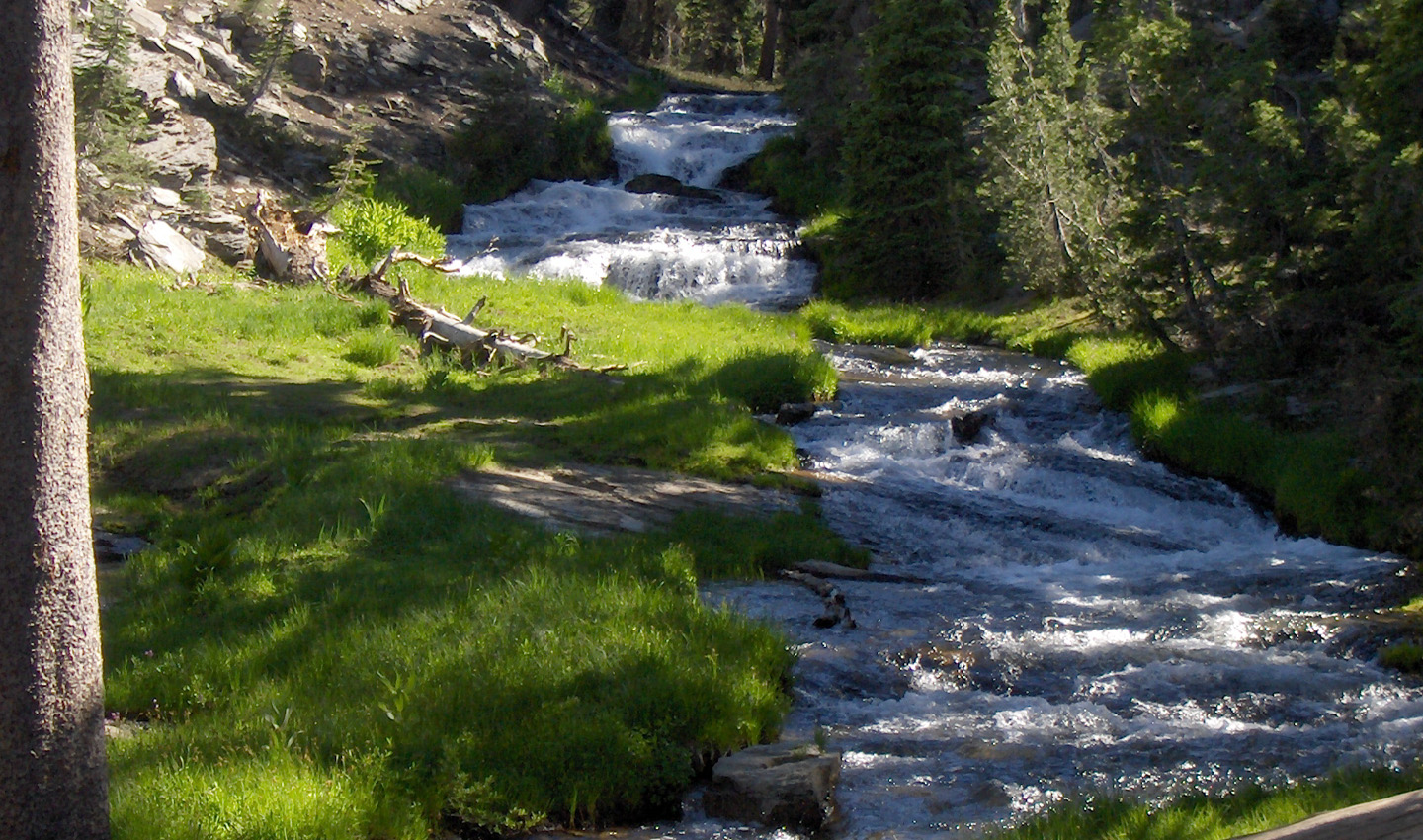
A century ago, California state officials took advantage of water in the Sierra snowpack. Today, precipitation patterns have changed and rain is more likely than high-elevation snow.
One, or More, Water Solutions
As a framework for sustainable water management, the “one water” approach considers the full water cycle across an entire watershed, such as the Colorado River. This watershed is especially important because it continues to be heavily relied upon by numerous states in the American southwest. But much has changed since the Colorado River Compact was signed by seven states in 1922 and, due to over-allocated water rights, the Colorado River is not capable of supporting all the multiple states’ water needs.
More water conservation will be the key to improving our water management sustainability. Stormwater capture, desalination, and water reuse are all increasingly effective solutions, and all involve a “direct” approach to water storage and application for potable reuse.
For example, the City of San Diego’s “Pure Water San Diego” program uses proven water purification technology to clean recycled water and produce safe, high-quality drinking water, which is expected to provide nearly half of San Diego’s water supply locally by the end of 2035.
The Orange County Water District, meanwhile, has been injecting treated wastewater into the groundwater basin, which helps to push back the seawater intrusion that dates to 1975. In 1977, it became the first in the world to use reverse osmosis to treat wastewater to drinking water standards.
Then there’s the City of Los Angeles, which now has a plan to recycle 100 percent of its available wastewater by 2035 through an initiative dubbed “Operation NEXT.” The hope is to provide a drought-proof water supply by building water storage within local groundwater aquifers.
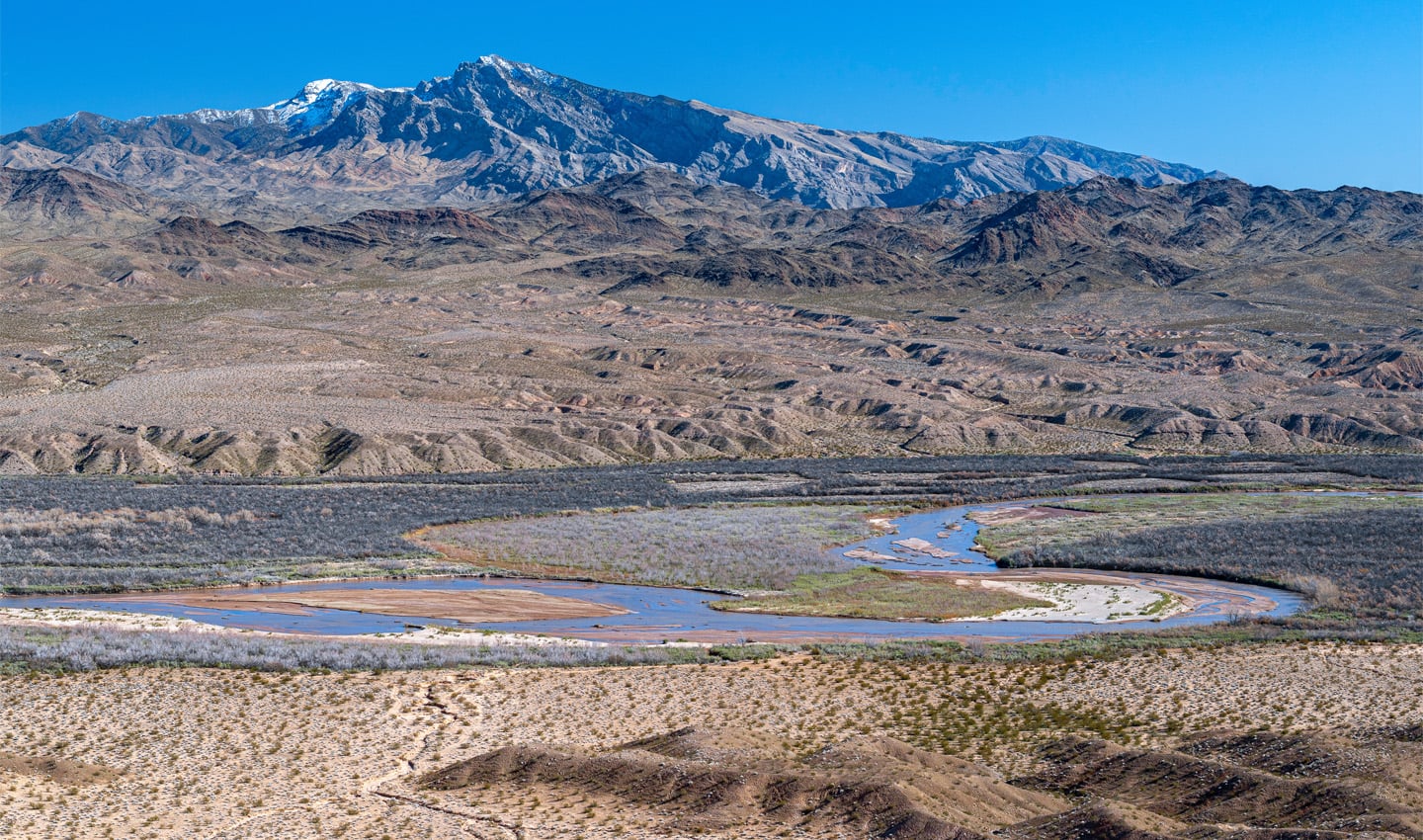
The Colorado River watershed is especially important because it continues to be heavily relied upon by numerous states in the American southwest.
Better Groundwater Operations
In addition to recycling water, enhancing groundwater management practices is key, and often involves an “indirect” approach to water management. Managed aquifer recharge (MAR) has been around for decades by various names, which essentially amounts to refilling dewatered groundwater basins.
Typical applications involved flooding agricultural lands with favorable soil conditions to infiltrate (recharge) the underlying aquifer (e.g., AG-MAR or FLOOD-MAR). Other approaches involve injection wells to force water underground, often into deeper aquifer, such as aquifer storage and recovery or water banks. An important consideration of MAR projects is the quality of not only the source water, but also the water that’s already present underground, as low-quality water might be displaced toward a drinking water well.
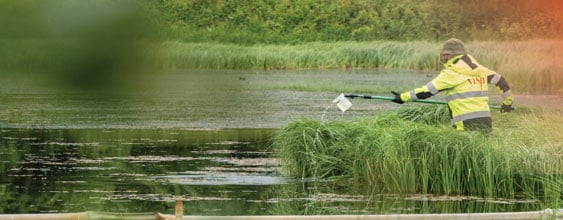
California requires that source water and receiving groundwater be thoroughly characterized and that the best available technologies be used for each contaminant (or contaminant class) that is or may be expected to be present. These technologies typically include, but are not limited to, ion exchange, advanced oxidation process and granular activated carbon.
Large-scale groundwater remediation efforts have been driven by federal and state regulations for decades and have typically been considered something to be avoided by potable water programs. The extent of groundwater contamination has persisted, which has made it increasingly difficult to take advantage of groundwater basins. Partially in response to that fact, in 1997, California developed a policy to guide public water suppliers on how to safely treat contaminated water for drinking water use. This policy will likely become only more important as new chemicals of emerging concern (e.g., PFAS) are detected in water samples.
©WSP
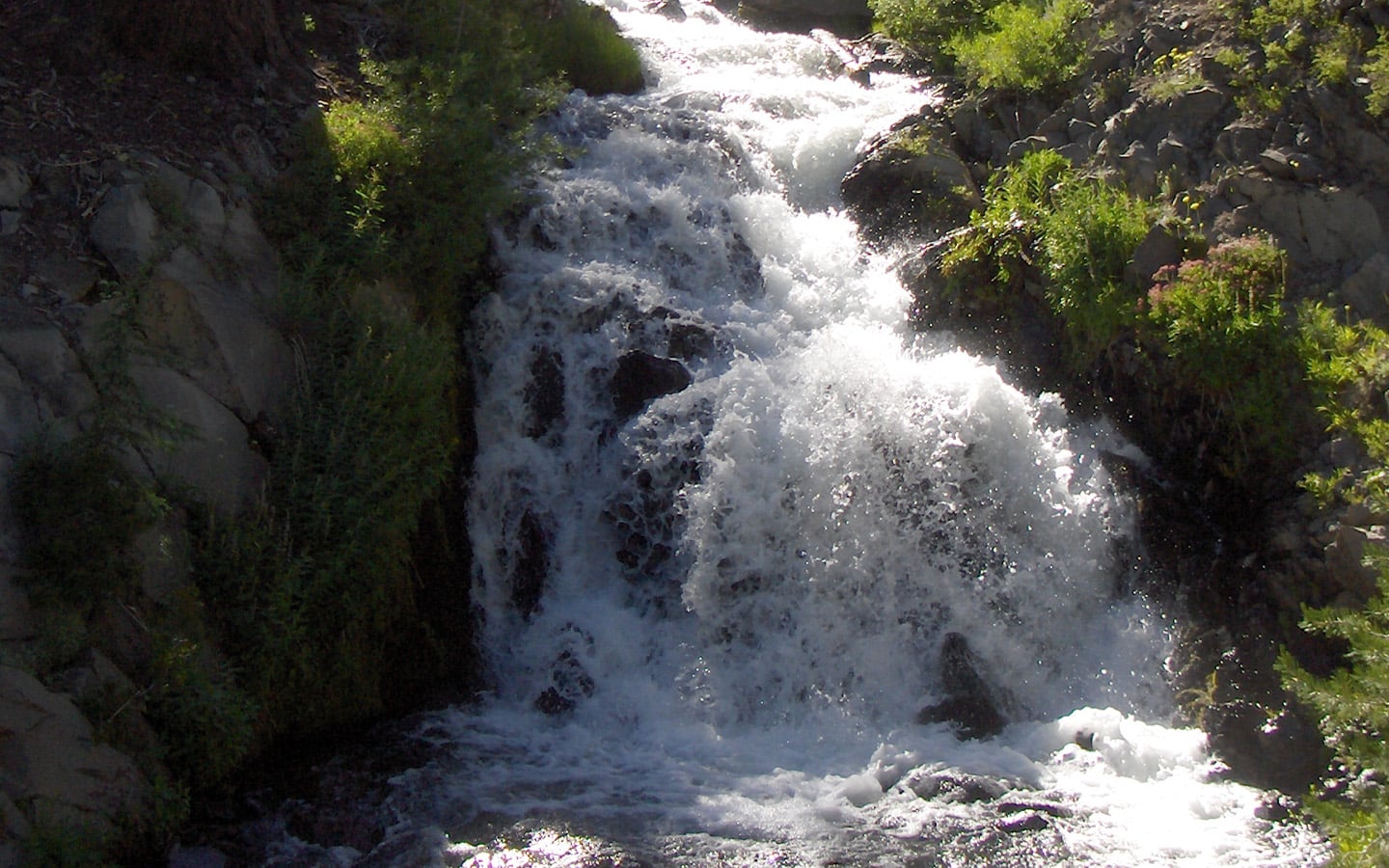
California requires thorough characterization for source water and receiving groundwater, and that the best technologies be used for possible contaminants.
Water Responsibility
It is important for the public to understand that a tremendous amount of work is involved with producing and maintaining a sustainable water supply, but it is also important for them to understand what we can do ourselves. Our changing climate makes water everyone’s responsibility, because our agricultural, environmental and industrial health depends on water, as does our personal health.
Water conservation is crucial for this, regardless of the available treatment technologies, because spending as much energy as we do to import Colorado River water, build surface reservoirs for stormwater, or install injection wells, is misguided if the finished product is simply used to water lawns. To further complicate this balancing act, water supply also needs to account for natural processes, such as river flow needed to sustain aquatic species.
This is why I urge American citizens and policy makers to think long-term by continuing to temper water use, and to support efforts to ensure our nation has safe, potable water sources for the future.
Mike Taraszki is a hydrogeologist at WSP. He and his team of engineers and scientists are experienced with preparing plans needed to obtain an amended drinking water permit that fully characterizes water supply, evaluates potential health risks, and demonstrates that sufficient technologies and failsafe measures have been implemented to ensure the safe use of treated water for human consumption.
[To subscribe to Insights, contact the editorial staff at [email protected].]