What stood out to you most across all of the conversations you had at Climate Week this year?
Daniel Socha: What struck me most was that the conversation about action and implementation moved a level deeper. We hear “ambition to action” all the time, to the point that it can start to feel like a cliché, but this year, I felt like there was real substance behind it. People were getting down to brass tacks and talking about what it actually takes to solve these problems.
There was also a more explicit recognition that we’re not dealing with climate change in isolation. Climate challenges are interconnected with issues like growing energy demand, aging infrastructure and geopolitics. Most sustainability practitioners have long known this, but given the state of the world, the discussion around these interconnections was much more at the forefront.
Craig Connelly: A common thread across many of the conversations I had was the need to better connect technical expertise with stakeholders and decision makers. One question that continued to come up was: How do we help advance understanding and communication between these groups?
When communication is unclear, whether it's about the value or impact of a project, it makes everything more challenging. For example, there is generally broad support for resilient and reliable infrastructure, but building agreement around the trade-off between those attributes is much harder to achieve.
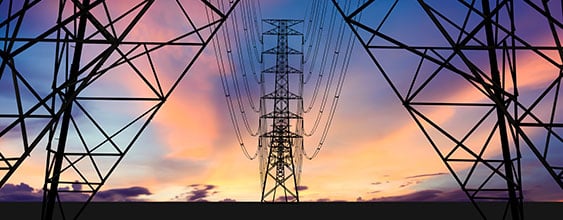
We tend not to think about the value of reliable or resilient electricity until the power goes out and takes a while to restore. Suddenly, we all have an opinion about how quickly the power should be fixed. Any interruption feels too long. In that instance, the value of reliability becomes very clear.
There is a real opportunity right now to bring more clarity to conversations and help decision makers and stakeholders better understand the trade-offs behind these decisions.