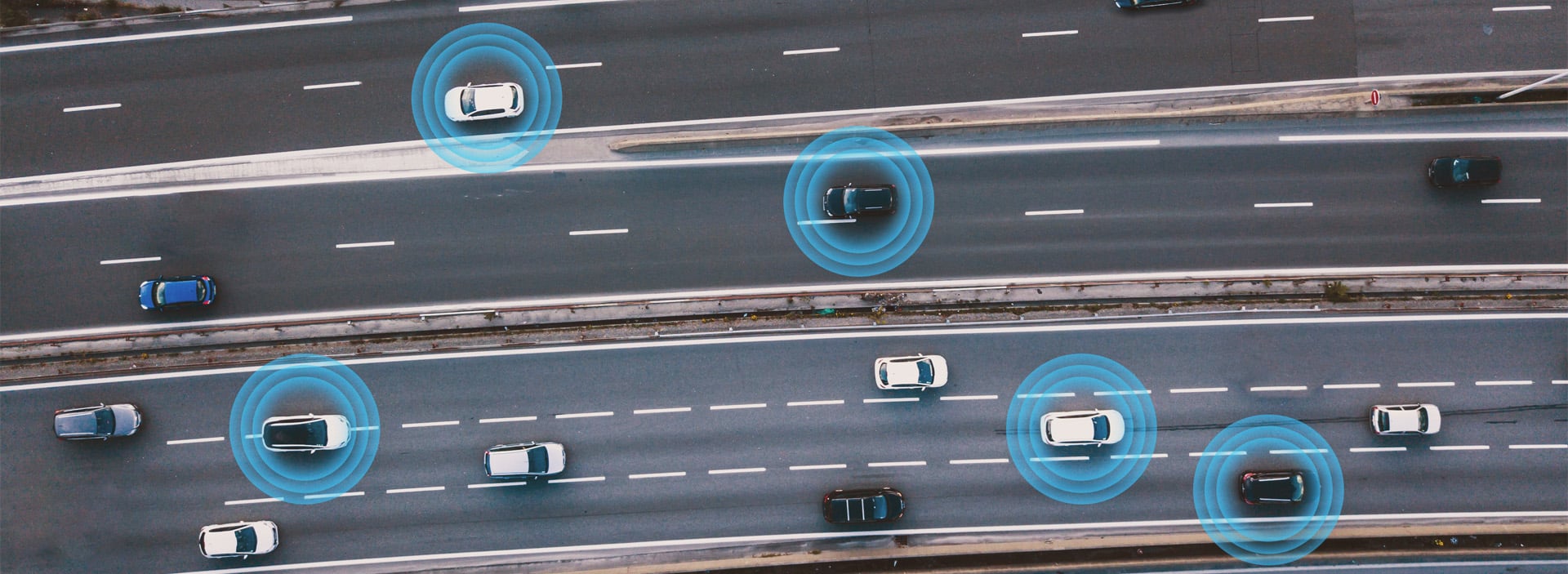
WSP is at the forefront of U.S. development and testing for emerging mobility technologies for transportation infrastructure, with the firm’s ITS practice currently working across the U.S. on innovative engineering, policy and planning projects.
Recently, WSP completed an ITS Master Plan update for the Minnesota Department of Transportation, which included a long-term statewide ITS communication plan. The firm also provided a detailed assessment of the agency’s transportation systems management and operations capabilities.
Through internal and external research and process development, WSP is establishing methods to help government agencies proactively develop policies and evaluate scenarios for various advanced technology futures. For example, WSP is providing guidance on how to incorporate new and emerging technologies into Next Generation Traffic Management Systems to emphasize flexibility and ease of transition.
WSP has had a longstanding relationship with the connected vehicle pooled fund study, which is a group of 26 member agencies who pooled their funding for research. In its latest project, WSP helped develop an overall test plan for the group’s connected intersections program. An innovative message monitoring system has also been developed and delivered by WSP to this group that proves public sector V2X data is reliable for widespread use. This has been demonstrated in three states, with more sites to come in 2024.
In 2016, the U.S. Department of Transportation awarded a $40 million grant to the City of Columbus, Ohio, as the winner of the Smart City Challenge. Columbus used this funding for its Smart Columbus program to reshape and improve their transportation system. WSP developed the systems engineering documents, such as the concept of operations, system requirements, system design document, test plan and test procedures for the connected vehicle environment. The firm also oversaw the integration of roadside units with traffic signal controllers and on-board units into transit vehicles, and conducted testing to verify transit signal priority, emergency vehicle preemption and other applications.
Just south of San Francisco, WSP has conducted workshops and developed a strategic plan for its client in San Mateo County to prepare for automated vehicles. Leaders in this community want to leverage this technology to meet their community’s needs for sustainable transportation options. Plans like this help communities make a strong case for technology investments.