As population growth surges in Florida, some counties are facing the alarming prospect that traditionally used fresh groundwater supplies cannot meet future rapidly growing demands. The future water shortage is particularly acute in Central Florida, including Polk County.
Polk County is the fastest growing county in the state over the past decade, with a population that’s ballooned from 600,000 residents in 2010 to nearly 800,000 in 2022. The county resides within an area called the Central Florida Water Initiative (CFWI), where three local water management districts and the Florida Department of Environmental Protection developed a regional water supply plan that covers traditional groundwater sources, such as the Upper Floridan Aquifer (UFA), and alterative water sources.
The CFWI determined that the amount of additional water that can be withdrawn from the UFA for each county in this planning area will be exhausted around 2025. Withdrawals from the UFA are being constrained by impacts to spring and river flows, lake levels and wetlands. Environmental and recreational features that make the regional special are being threatened by declining groundwater levels.
The situation has pushed Polk County to seek alternative sources of fresh water. It’s this complex undertaking that’s become the mission of the Polk Regional Water Cooperative (PRWC) and its many members, including 16 local governments.
 |
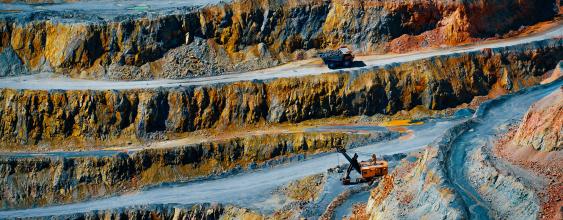
| The additional water that can be withdrawn from the Upper Floridian Aquifer will be exhausted around 2025, pushing Polk County to seek alternative fresh water sources. (©WSP) |
Meeting Long-Term Water Needs
Formed in 2017, the PRWC’s role in this groundwater crisis is to proactively identify alternative water sources and projects that will protect and sustain the region’s drinking water supply throughout the coming decades.
“We know that something needs to be done to protect our dwindling water supply, and we’re determined to be leaders in planning for our county’s future water needs. We need a resilient and sustainable supply for the next 30 years and beyond,” said Eric DeHaven, executive director of the PRWC. “So we’re identifying the infrastructure we need to implement our plans, and overseeing a regional conservation program that encourages our residents to be responsible with our precious water resources.”
Last year, the PRWC secured $305 million from the U.S. Environmental Protection Agency’s Water Infrastructure Finance and Innovation Act program, in addition to a $293 million grant from the Southwest Florida Water Management District.
This approximately $600 million in funding is currently being used toward development and construction of two brackish groundwater desalination facilities in Polk County’s Lakeland and Lake Wales areas. Whereas brackish groundwater desalination has long been performed in coastal areas, its implementation in Central Florida presents its own difficult challenges.
 |
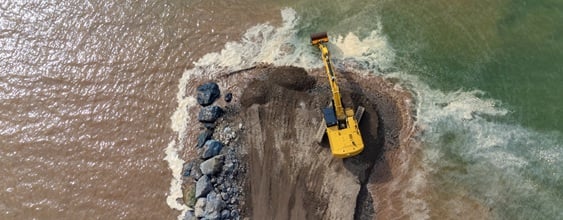
| The Polk Regional Water Cooperative’s responsibility is to identify alternative water sources and projects that will safeguard the region’s potable water supply. (©WSP) |
WSP Helps Design a Solution
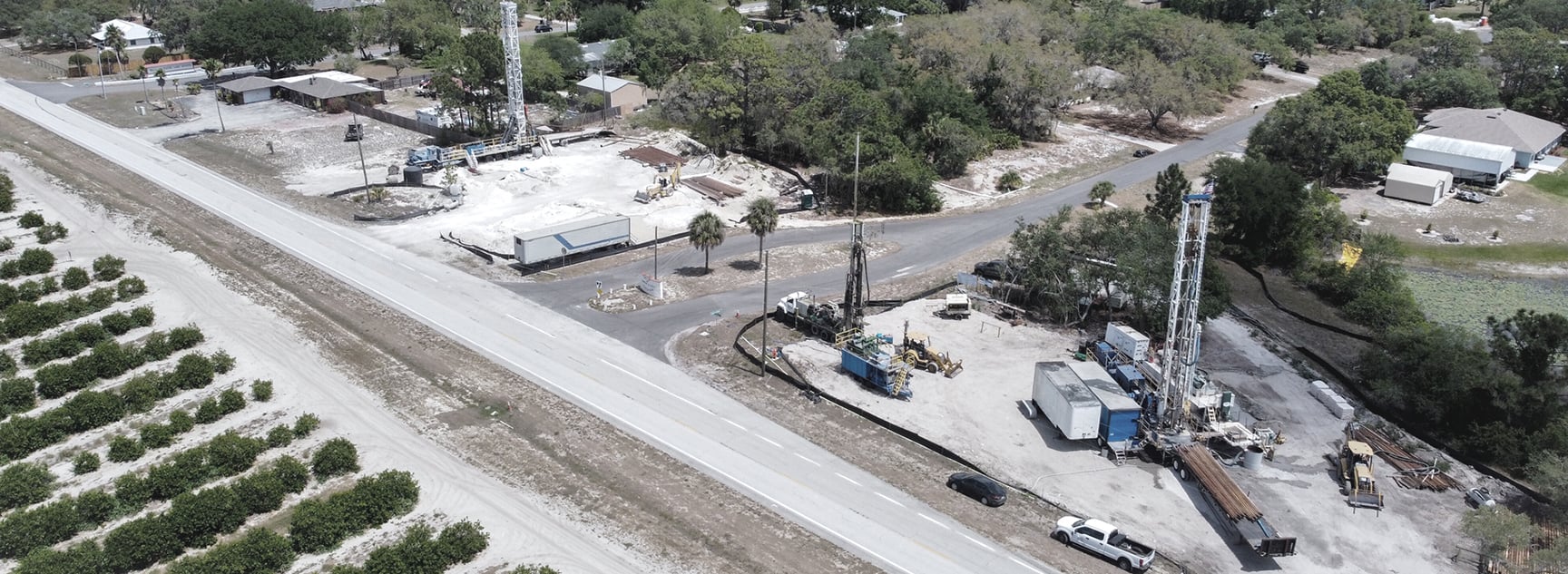
Dubbed the Southeast and West Polk Lower Floridan Aquifer Water Production Facilities (LFA WPFs), both facilities will tap a deeper aquifer than what was previously used locally for raw water supply.
Phase One of the Southeast LFA WPF will deliver 7.5 million gallons per day (MGD) of water once completed, while Phase One of the West Polk LFA WPF is planned to produce 2.5 MGD. Both facilities will be progressively expanded to meet increases in potable water demand.
WSP is responsible for the design of the raw water supply wellfield and the injection well systems to be used for concentrate disposal.
“Initially, we designed the production wellfields and oversaw construction of test production wells,” said Bob Maliva, senior vice president and principal hydrogeologist with WSP. “Currently, we’re supervising construction of an additional test well for the Southeast WPF and the initial injection well, which will have a total depth of 8,000 feet. It is expected that the Southeast plant will be operational by the end of 2027.”
General challenges facing the PRWC are escalating construction costs and obtaining suitable sites to locate production wells. For both projects potential well sites are limited by environmental concerns, planned future land uses, the inability to use protected state environmental lands, and/or high degree of development and thus paucity of vacant parcels. Another challenge facing the project team is that the LFA raw groundwater supply has an atypical chemistry and there are no nearby existing similar facilities with an operational history that could provide guidance.
“For this type of project, to design the treatment system, we need to know both the initial well water chemistry, as well as predict the water’s chemistry decades into the future,” Maliva said. “That required extensive data collection and groundwater modeling that we conducted in house.”
“With another half-million residents expected by 2040, we’re all about the future and helping forge a path that other counties can learn from,” DeHaven said. “There are a lot of moving pieces and we are determined to help make them fit so Polk County can thrive and prosper.”
 |
| Approximately $600 million was secured in funding, which is used toward two brackish groundwater desalination facilities in Polk County’s Lakeland and Lake Wales areas. (©WSP) |