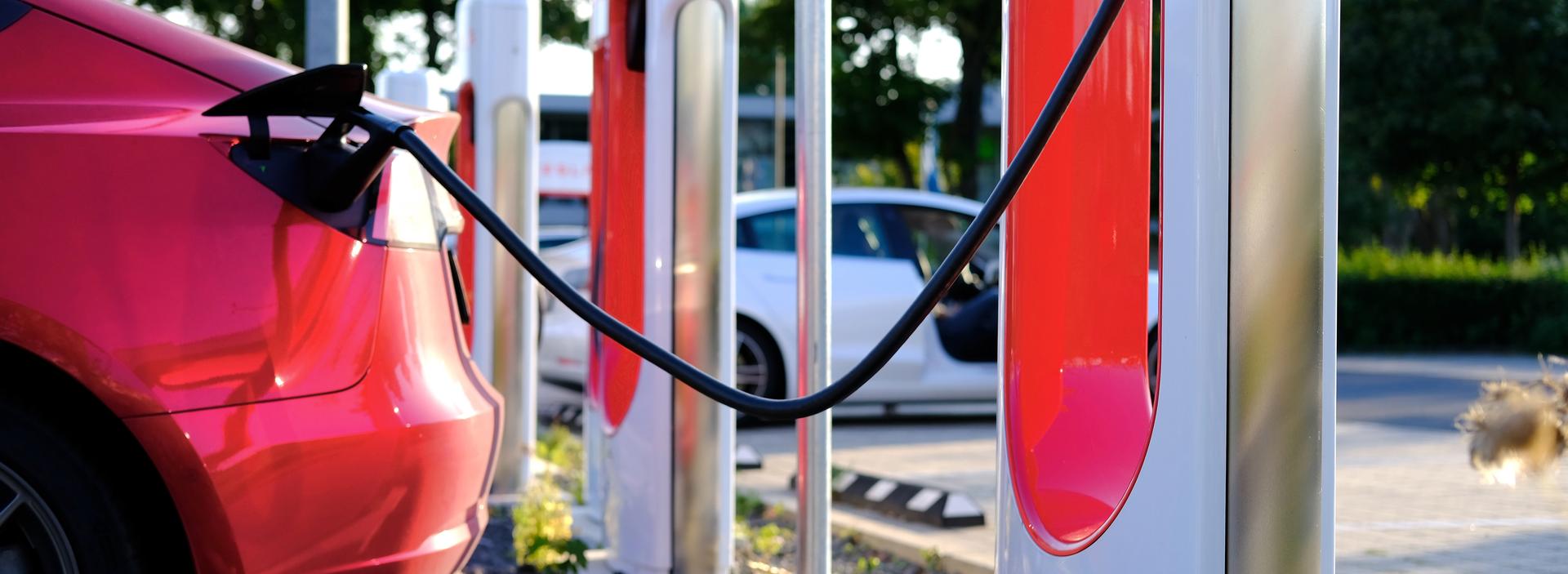
As electric vehicles (EVs) become a more familiar sight on U.S. roads, the shift away from gasoline-powered vehicles has accelerated erosion of the gas tax revenue necessary for states to fund and maintain their transportation systems.
EVs are tremendously beneficial for improved air quality, energy security and long-term environmental goals. But their rapidly growing popularity is forcing states to rethink how they raise sufficient money to fund essential road work.
With cars traveling farther on each gallon of gas, and EVs using no gas at all, traditional sources of funding for the Highway Trust Fund are dwindling and can no longer keep pace with the maintenance and upgrades our roadway networks require.
That’s where the concept of road usage charging (RUC) comes into focus. The concept is simple: instead of paying for roads through taxes on fuel, drivers pay based on the number of miles they travel. It’s a modern approach that aligns more directly with actual road use, and as transportation evolves, it’s one of the most practical ways to ensure sustainable funding to keep our roads safe and operational.
The concept of mileage-based user fees is not new. At WSP, we’ve spent decades helping states explore what a fair, reliable and user-friendly version of this system can look like. From early congestion pricing pilot programs in the 1990s to today’s multi-state RUC studies, our teams have played a central role in testing technologies, evaluating policy options and engaging communities to understand what drivers need and expect. This quick video explains the concept.
Technology is available and trial programs have demonstrated its capabilities. But public perception and acceptance, particularly regarding cost and privacy concerns, remains a hurdle to its implementation.