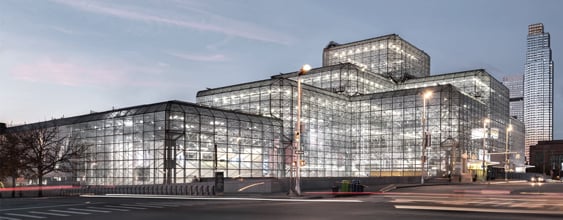


As buildings become more interconnected, cyber risk grows. WSP helps clients secure building systems and Internet of Things (IoT) environments from day one — protecting operations, safeguarding data and strengthening resilience in a rapidly evolving threat landscape.


 

img-building-cybersecurity-01-discover-crop
img-building-cybersecurity-02-design-crop
img-building-cybersecurity-03-validate-crop
img-building-cybersecurity-04-handover-crop
Global team members
65
Countries served
10
Assets protected
$2B+
As buildings become more interconnected, cybersecurity must evolve from reactive incident response to proactive risk management, protecting operations, occupant safety and business continuity.

Contact us

prf-website-red-cronje-jaco
Jaco Cronje
Vice President, Building Technology and Cybersecurity
United States
Isaac-Chen-WSP
Isaac Chen
Vice President, Building Technology and Cybersecurity
United States
prf-website-red-rome-nolan
SVP, Market Innovation and Advisory/Healthcare
United States
Show more Show less

Why is cybersecurity important for buildings?

Today’s buildings rely on interconnected systems, from HVAC and access control to IoT devices and cloud platforms. A vulnerability in one can expose others. Proactively securing these systems helps protect business continuity, occupants and critical data.

When should cybersecurity be addressed in a building project?

Cybersecurity is most effective when integrated from the very beginning. By embedding protections during design and engineering, risks can be minimized, avoiding costly retrofits and reducing exposure from day one. However, our team can provide assessment and solutions at any point in a building or system’s life.

What is cybersecurity commissioning (CyCx), and why does it matter?

Cybersecurity commissioning is an independent verification process that confirms building systems are secure, properly configured and aligned with the approved cybersecurity design before operations begin. It helps identify hidden gaps, reduce day-1 cyber risk and provide documentation to support compliance and operational readiness.

What types of systems are at risk in a modern building?

Many systems are exposed to cyber threats, including building management systems, electrical distribution, security systems, fire life safety systems, surveillance, parking management and IoT-enabled devices. Because these systems are interconnected, a breach in one can create vulnerabilities across the entire facility.

How does WSP help ensure compliance with cybersecurity standards?

We align with applicable federal and industry standards by conducting assessments, defining security requirements and validating implementation through commissioning. This process provides documented due diligence and supports compliance with frameworks such as NIST and other relevant guidelines.