Automated vehicles are steadily becoming more commonplace in the private sector. Now, WSP and several partners will facilitate the first major step to bring the safety and efficiency of this technology to public transit operators.
WSP is working with Capital Metropolitan Transportation Authority (CapMetro), the regional public transportation for the city of Austin, Texas, to automate one of CapMetro’s New Flyer 40-foot battery electric buses. This is part of an active automated bus yard demonstration in partnership with Perrone Robotics, Texas Transportation Institute (TTI), Texas A&M and Clever Devices, and is being grant funded through the Federal Transit Administration’s (FTA’s) Strategic Transit Automation Research (STAR) Plan.
The bus will be sent to Perrone Robotics’ headquarters in Virginia to be equipped with state-of-the-art technology that will enable the bus to drive itself in certain operating environments. After extensive testing, the bus will then be sent to CapMetro’s NorthOps and Maintenance Facility.
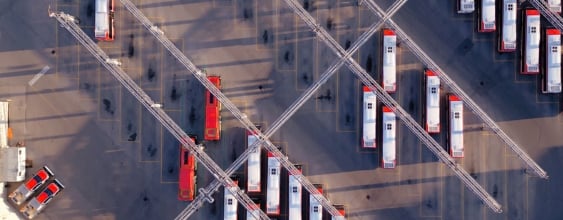
A demonstration day will be held at this facility with representatives of sister agencies, partners and vendors, who will see the retrofitted bus autonomously operate in the active bus yard and charge itself with an overhead pantograph dispenser provided by Heliox. The demonstration is expected to take place in 2024.
“This will mark the first demonstration in an active bus yard for an autonomously driven, battery electric bus that’s going to be used for daily service, and will be simultaneously charging with an overhead charger,” said Severin Skolrud, WSP vice president, emerging technology, national transit and rail. “Automating the bus yard makes operational sense, given where the technology currently stands, and reinforces that WSP is focused on only automating buses in specific environments.”
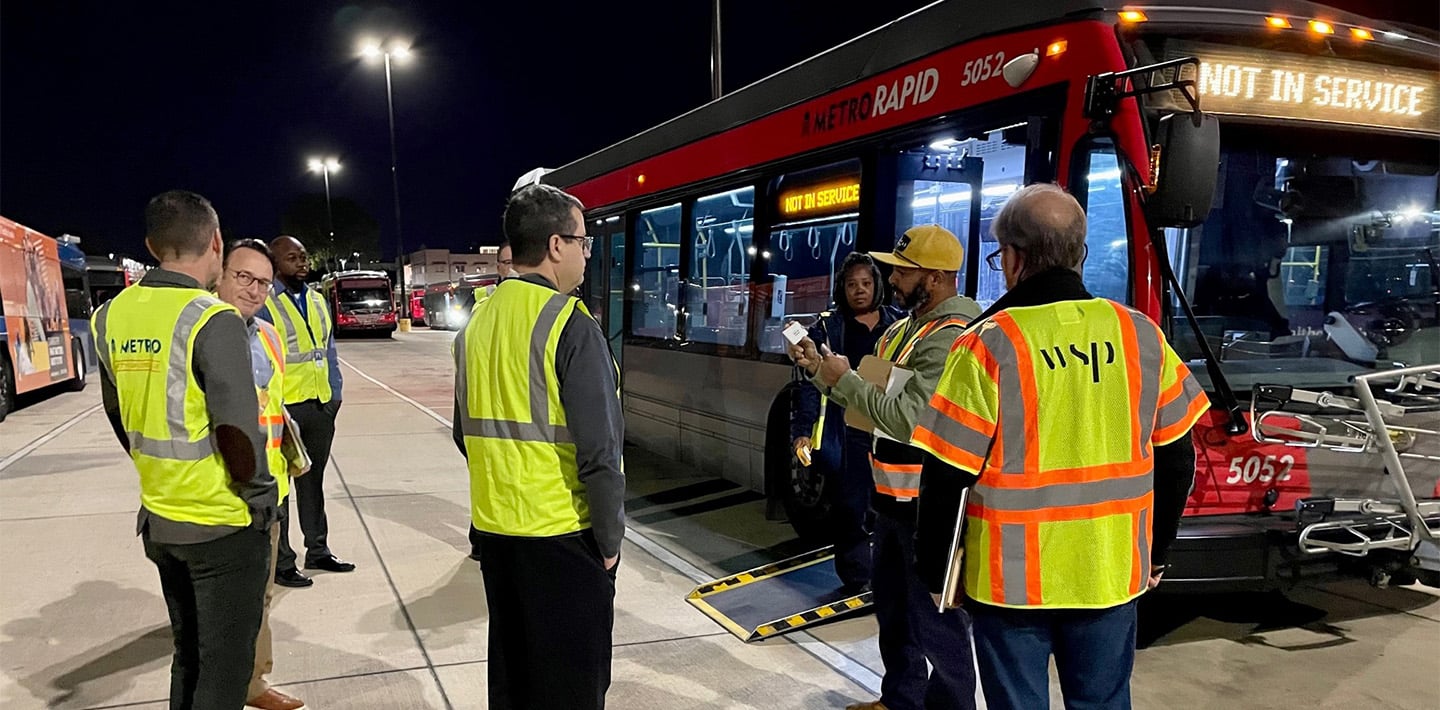
WSP is working with Austin’s CapMetro public transportation service to automate one of CapMetro’s 40-foot battery electric buses.
Refined Safety
WSP is serving as the demonstration implementation lead for the project, overseeing all aspects and supporting CapMetro as the agency representative for all project stakeholders, including vehicle infrastructure testing, safety certification and planning support.
If successful, this innovative project will allow for groundbreaking automated operations that will enhance safety and efficiency of transit operations and may advance to a longer, more intensive Phase II funded by the FTA Strategic Transit Automation Research (STAR) program.
“We’re going to collaborate with CapMetro and, as the project rolls out, determine feasibility in multiple operating environments including the bus wash,” Skolrud said. “The bus will then remotely start, charge and then drive itself to the front gate to pick up the operator and be ready to go, and all of these aspects are industry firsts that will make both non-revenue and revenue service more efficient.”
This will be phase one of the FTA’s Automated Transit Bus Maintenance and Yard Operations Demonstration Program. As part of this phase, the TTI will conduct the workforce analysis to identify the potential impacts of fleet automation in the yard, as well as the potential gains to identify new transportation agency positions for potential growth.
Skolrud added that the success of phase one is contingent on a successful workforce analysis and a safe deployment.
“WSP has a refined safety approach for deploying an automated bus fleet,” Skolrud added. “We’re testing it with a human safety driver behind the wheel first, in a secure yard that requires limited maneuvers only. It’s safety first with the support and coordination of CapMetro.”

If successful, this project will allow for automated operations that will enhance the safety and efficiency of multiple operating environments, including the bus wash.
Driving Change
This project is a coordinated effort between WSP, CapMetro and the FTA Office of Research and Innovation, among other industry partners.
Skolrud emphasized that this technology will not replace operators within revenue service, who are vital to providing safe and reliable service to local communities, because that environment is too complex for autonomous technology. Instead, this is meant to be an advancement in driver assistance.
“Furthermore, this technology will allow for driver-assistance solutions like automated braking and object detection, which will improve the operator’s safety during revenue service,” Skolrud said. “There’s also a time-saving efficiency with this technology that we can offer to revenue services, which will further support revenue operators.”
This project is simply the first step towards demonstrating to transit agencies the future possibilities of this technology to increase their fleets’ safety and efficiency.
“This automation will show that the future is here, and that we need to study how we can improve upon this technology,” Skolrud continued. “Based on our research and our understanding of the market and trends, we believe that this is the future for how we’re going to help transit agencies grow and increasingly transition from internal combustion derived power to zero emission solutions, similar to what’s already happening in the private vehicle market. True innovation begins with market-first deployments such as this, which identify challenges but demonstrate the underlying long-term potential and return on investment.”
[To subscribe to Insights, contact the editorial staff at [email protected].]
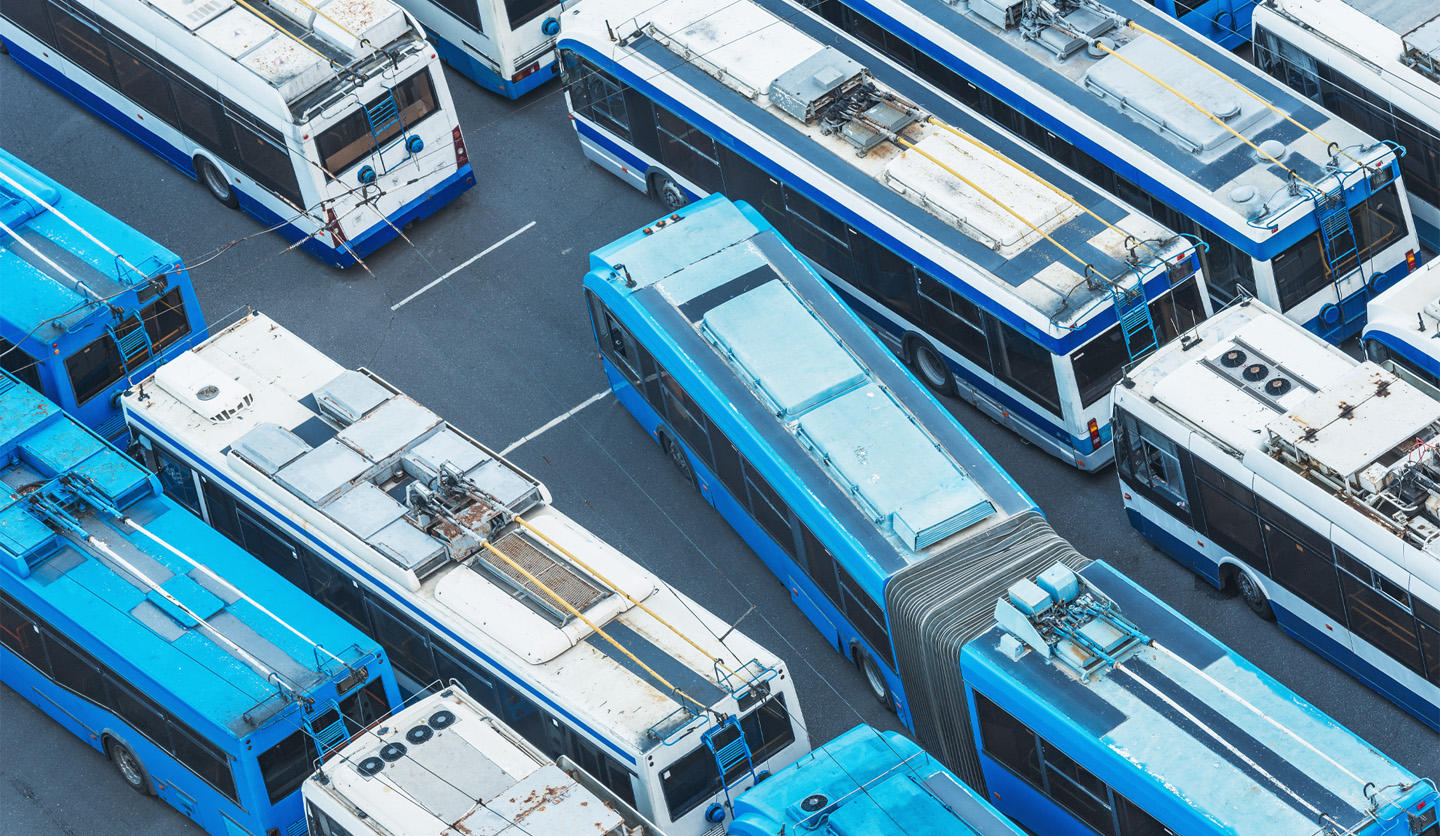
This project is a first step towards demonstrating the future possibilities of automated bus yard technology to increase a fleets’ safety and efficiency.