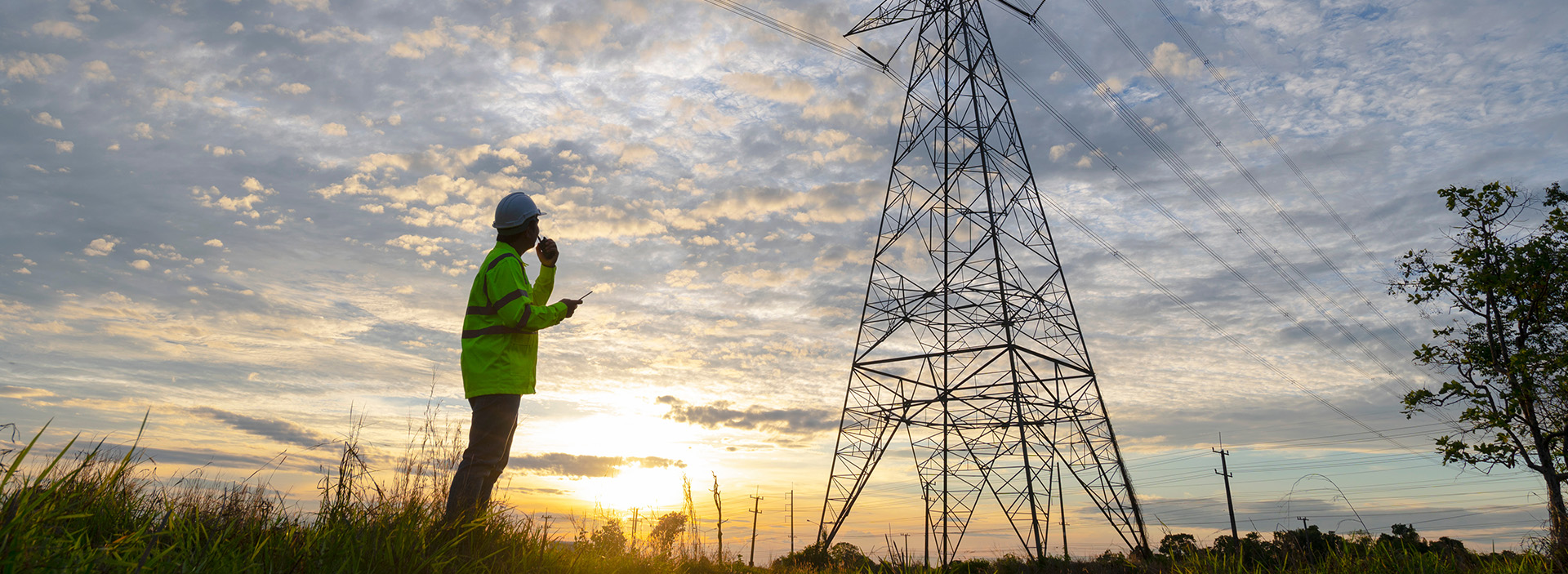
A recent feature in T&D World explores how utilities across the U.S. are shifting from reactive to proactive wildfire preparedness strategies. Josh Tweedy, senior advisor and utility operations leader at POWER Engineers, a member of WSP, highlights how data-driven tools like the Fire Potential Index (FPI) are being used to assess risk and guide real-time decision making across a utility’s assets.
Tweedy emphasizes that wildfire risk is no longer confined to the Western U.S. With drought conditions and aging infrastructure affecting regions from New England to the Southeast, utilities nationwide are adopting predictive models and strategic planning to mitigate threats before they escalate. These efforts include public safety power shutoffs, vegetation management and infrastructure hardening.
By integrating advanced analytics and scenario planning, utilities are building resilience into their systems and protecting communities from the growing threat of wildfires. As Josh Tweedy notes, “Predictability is critically important here. Defined decision matrices that govern when to deenergize or reenergize assets not only benefit ratepayers but aid municipal first response and help to support other critical infrastructures, as well.”