In today's environment, we rely heavily on building information modeling, so everything is designed in three dimensions. It's an extremely useful tool, especially in underground environments where you have a fixed volume of space and zero opportunity to expand that volume once excavation is complete. Our stations and tunnels bring together architecture, mechanical engineering, plumbing, electrical traction power and more. Digitizing these 3D environments helps prevent a lot of headaches out in the field. AI technologies are helping us improve these designs and quickly identifying clashes between systems, along with solutions. I’m excited to see the continued evolution of these technologies and the benefits they bring to project delivery.
What is your definition of project success?
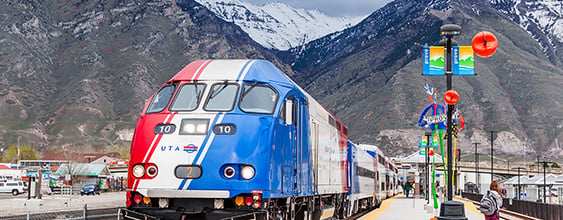
For me, it’s a little broader than the typical “on time and on budget” answer. The goal in delivering rail transit projects is handing off an operating system that’s ready for its revenue service date. From day one, that’s what I’m focused on, seeing customers walk through the new stations and board trains. My role is to manage schedules, engineers, architects, specialists, contractors, budgets and stakeholders toward that timeline and ultimate revenue service. That’s when I call it a success.