The environmental impacts of alternative meats, such as plant-based and cultivated meat products, have garnered significant attention due to their potential to reduce the ecological footprint of food production. However, the data and models surrounding food systems have large variability, leading to uncertainties from methodological differences, data variability and assumptions in life cycle assessments (LCAs).
Being thoughtful about the purpose of any study or comparison of environmental impacts helps to mitigate these uncertainties. Clear communication about the influence of uncertainty is one of the best ways to establish trust and make effective recommendations.
Uncertainty in LCAs of food
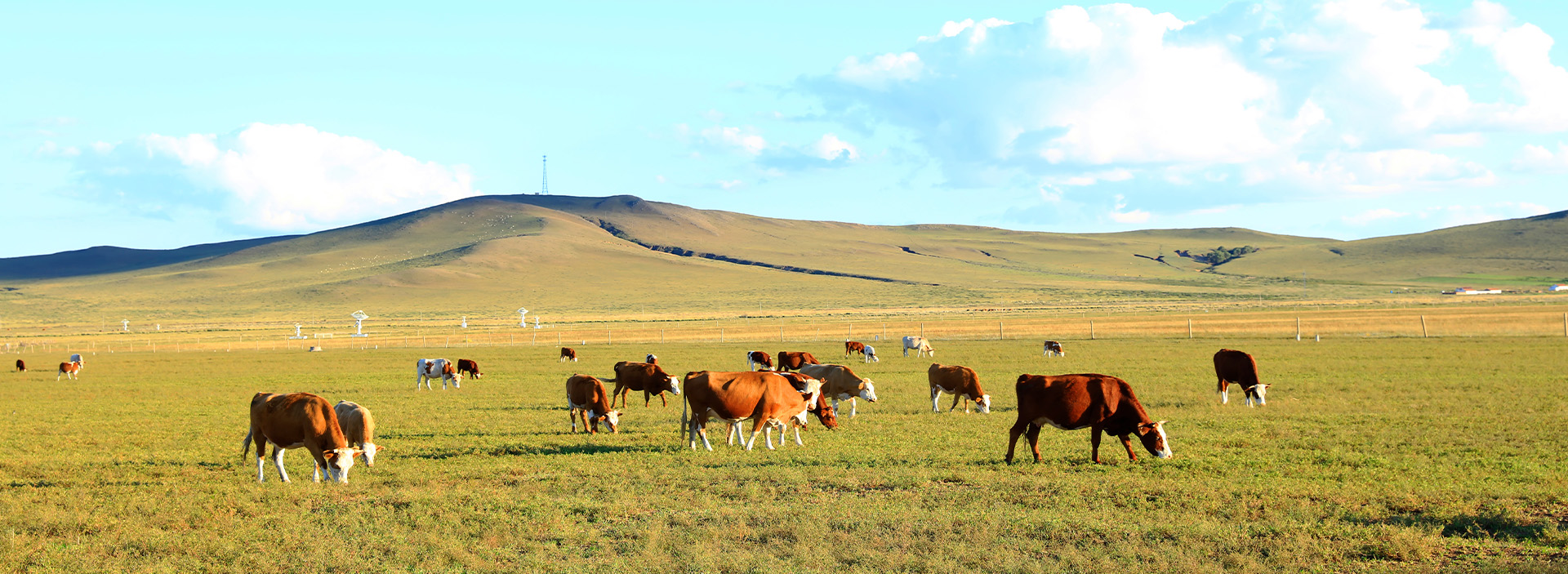
LCAs rely on data from various stages of production, which can vary widely depending on geographic location, agricultural practices and technological efficiencies. For example, one study estimated the carbon footprint of beef production in the United States ranges from 17 to 40 kg CO2e per kg carcass weight due to differences in the ecology and farming practices across the country (Rotz et al., 2019). Many foods, both animal meats and ingredients for plant-based products, can have very different carbon, water and land footprints depending on where they were farmed and what practices the farmers used.
Establishing a clear rationale for selecting one data source over another is one good way to handle variability between sources. Is the goal to identify the carbon footprint of an ingredient from the biggest producer? Or an average from a whole region?
The assumptions made during LCAs also contribute to uncertainty. These include assumptions about the system boundary, such as whether food carbon footprints include only “whole foods” from the farm, or also processing into more refined ingredients. There are also methodological assumptions like the choice of functional unit (e.g., per kilogram of product, per serving or unit of protein) or allocation (mass vs. economic allocation) that can influence the results and their interpretation.
Comparisons between different foods are valid only when the data come from sources with the same system boundaries. Inflated or counterintuitive claims about the environmental benefits or costs of certain foods are often based on mismatches in the system boundaries or other underlying assumptions. Presenting accurate claims depends on understanding the design of each study or data source.
Like all data models, carbon footprints and LCAs heavily depend on the quality of input data. High quality data for an LCA should match the geography, year and technologies used, and come from a reliable source. The more differences in those factors between the background data (e.g., fertilizer use in crop production), the lower the data quality.
Imperfect data lead to an accumulation of small inaccuracies in any LCA, which creates uncertainty in the results. Handling all of these types of uncertainty effectively in LCA requires both understanding which are most relevant in a particular model and communicating how they influence the results. Carefully matching the product system and the comparative product and selecting input data that most closely match real-world operations, enhances both the credibility and utility of LCA findings.
Following the ISO standards for LCA also means reporting how those uncertainties affect the conclusions of an LCA report. LCA experts often recommend that small differences in comparative results, below 10% or 20%, are not meaningful. For models with higher-than-normal uncertainty, that margin could be much larger.
By continuing to refine our understanding of the environmental impacts of alternative meats, we can better navigate the complexities of sustainable food production and make choices that support both human health and the health of our planet.
WSP in the U.S. is an official testing partner of XPRIZE Feed the Next Billion. This is a multi-year, $15M competition that incentivizes teams to produce chicken breast or fish fillet alternatives that replicate or outperform conventional chicken and fish in: access, environmental sustainability, animal welfare, nutrition, as well as taste and texture.
WSP recently supported the XPRIZE Feed the Next Billion competition by assessing the environmental impacts of novel food products from the participating teams. Specifically, WSP conducted screening-level LCAs during the Finals Round of the competition, which concluded in fall 2024. This article is the third in a three-part series exploring the world of food from an environmental sustainability perspective.
References
- Rotz, C. A., Asem-Hiablie, S., Place, S., & Thoma, G. (2019). Environmental footprints of beef cattle production in the United States. Agricultural systems, 169, 1-13.