For the nation’s largest transit agencies, maintenance of stations, stops, tracks, vehicles, bridges, tunnels and other assets ensures system safety and reliability. It also represents the second largest percentage of operational expenses.
We recently worked with one of the country’s biggest transit agencies to cut those expenses significantly by deploying our Asset Maintenance Optimization Model, or AM20.
Benefits Now, Not Years from Now
Using existing, easily accessed data, AM20 identified maintenance redundancies and improvement opportunities. The insight optimized process and schedules without compromising the highest standards for system safety, reliability and compliance.
“The AM20 model doesn’t require technology upgrades or new software,” said Doug Stevenson, senior vice president, asset management at WSP. “It finds efficiencies in current maintenance programs and delivers operational benefits in a matter of weeks, not years.”
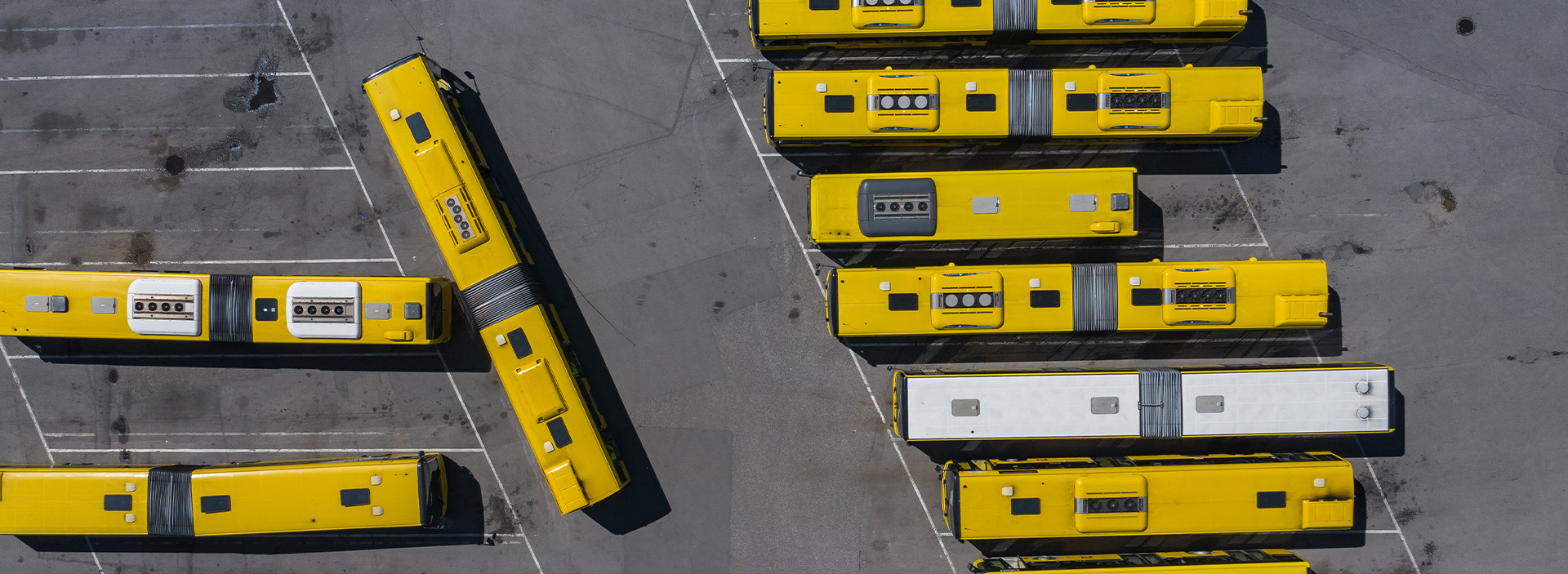
For example, the model analyzed the steps taken and time involved for maintenance performed on buses every 6,000 miles. It found a majority of the tasks could be removed or reallocated to other maintenance schedules, delivering time savings, freeing staff for other tasks and increasing availability of buses for revenue service.
Additionally, after evaluating failure trends and preventive maintenance cycles for two primary asset classes (tunnel ventilation systems and escalators), it was determined the duration between major maintenance cycles could be increased, reducing cost to maintain by 33% for each asset class.