Enhancing industry and public understanding
Modelling is important for reassuring the public that geological storage of carbon is safe and effective. People worry about induced seismicity – earthquakes that result from changing the stress state of rocks as CO2 is injected into them. FracMan®, WSP's pioneering discrete fracture network (DFN) software, helps address this concern and supports our clients in meeting their regulatory requirements. FracMan® allows us to model the existing subsurface geometry and structures, and what will happen when rocks are pressurised during CO2 injection, thus allowing us to understand the likelihood of fractures slipping and producing earthquakes.
Of course, even advanced modelling can only help you so far. It’s developing more projects that will really enhance our understanding. There are currently around only 50 CCUS projects operating around the world (although just under 600 more are being developed), with most of these using depleted oil and gas reservoirs – very few are injecting into saline aquifers. But the industry is poised to ramp up development, with an estimated 400 new wells required each year between now and 2050 to achieve global climate ambitions. Geologists will learn from each of these new projects, updating our models, and helping the industry advance rapidly.
As independent experts, the geologists and engineers at WSP are well placed to do this. We’ve already led a team of specialists advising the UK government on CCUS, which included addressing issues such as how to characterise and monitor geological stores. And we remain focussed on bringing our scientific expertise to bear on making the right decisions for the right sites, whether we’re working with storage hosts, regulators or anyone else involved in the process.
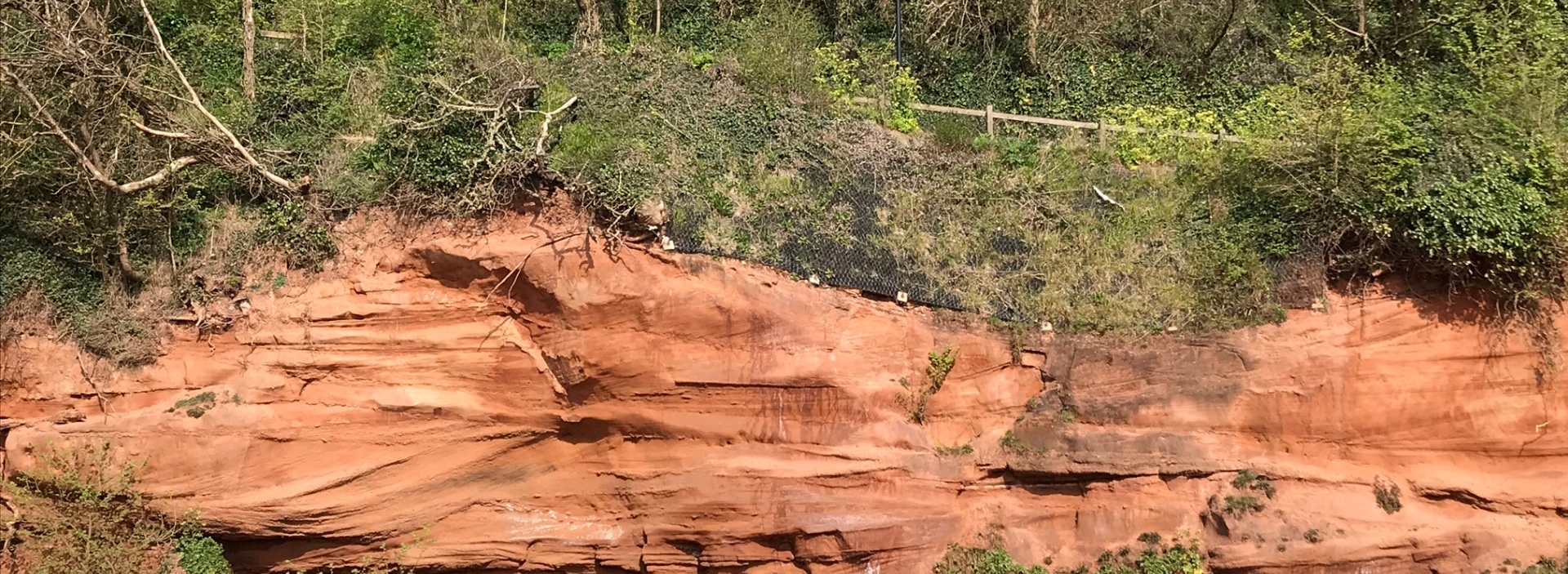


.jpg?h=1000&iar=0&w=1200&hash=41EDDFD60C93444CEDA945FBEBEB6BF9 "Geological analysis of rock cores from beneath the sea to assess suitability for storing CO2")