“As part of this, we’ve developed one of the industry’s first organisational resilience frameworks, intended to help owners and managers evaluate different resilience strategies and determine where to focus resources and investment.”
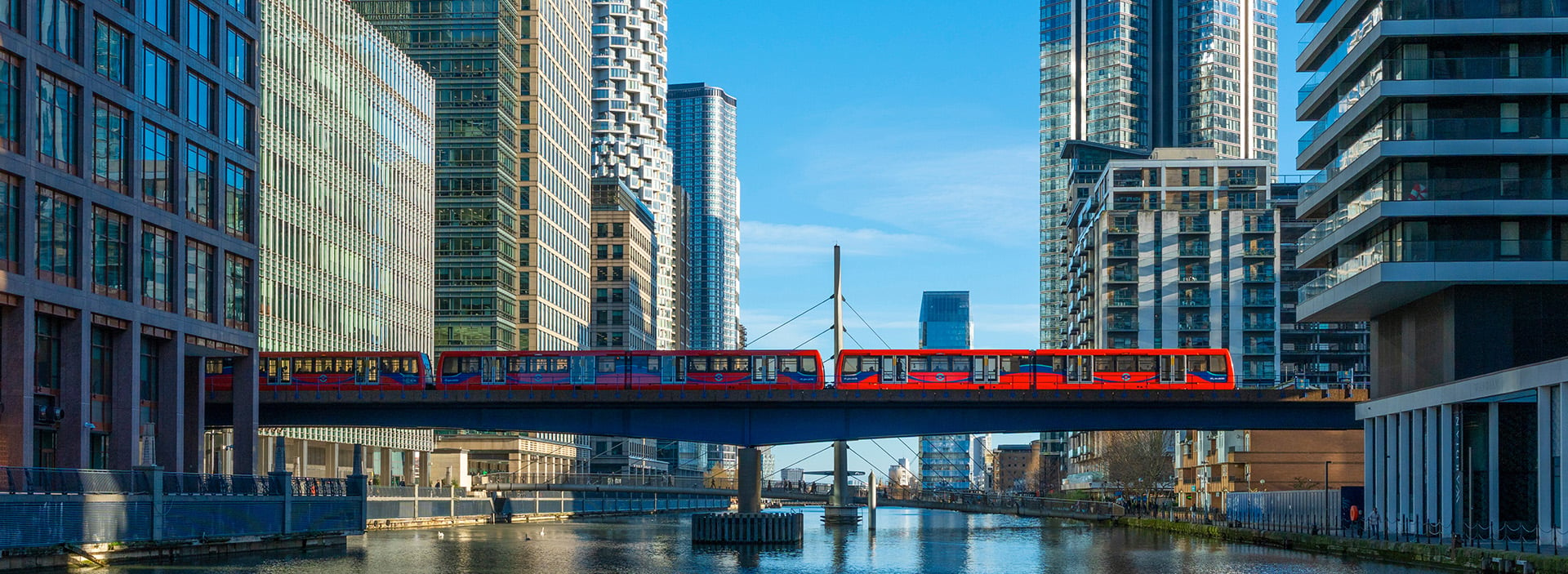
For example, we used the framework while working with an infrastructure client on a railway project. It helped the client evaluate different levels of organisational resilience, clarify future operational and maintenance responsibilities and identify the capabilities and resources needed to support a more resilient train service.”
The framework, based on four broad responses to climate vulnerability, includes four strategies for navigating organisational resilience.
Adapt and resist
Focuses on adapting assets to manage climate hazards and keep services running. To deliver this, organisations need the ability to anticipate climate impacts, assess asset vulnerability and develop measures to protect assets, as well as the capital investment needed to strengthen infrastructure.
Predict and prevent
Prioritises predicting asset vulnerability and monitoring weather conditions to help organisations prevent failures and minimise service disruption. This requires organisations to monitor conditions in real-time, anticipate asset failures, prepare contingency plans for different weather scenarios, and act before failures occur. It also requires standards, procedures and resources to be available locally, along with measures that can be implemented without affecting services.
React and recover
Centres on accepting that assets may fail and preparing the organisation to restore services quickly. To deliver this, organisations need resources ready to react, such as equipment and materials on standby, alongside strong customer communications to keep service users informed. They must also be prepared for revenue losses or penalty payments when services are disrupted.
Accept and repair
Recognises that not all assets can be protected from climate impacts. Organisations accept that some assets may fail during severe weather and repair them as funding and resources allow, while managing any revenue losses and service disruptions.