The decarbonization study for University of California, Los Angeles (UCLA) represents a concerted effort to develop a comprehensive strategy aimed at achieving a 90% or greater reduction in scope 1 carbon emissions by 2045. Scope 1 emissions are a direct result of an organization's activities and assets, including fuel combustion in company-owned vehicles, boilers and furnaces.
The study focused mainly on decarbonizing the school’s tri-generation plant and took place in the context of the University of California system’s larger initiative to transition away from fossil fuels in line with the State of California’s climate goals. In an evolving energy landscape, our sustainability experts partnered to provide not only a detailed picture of energy use but also provide clear pathways forward.
Studying solutions
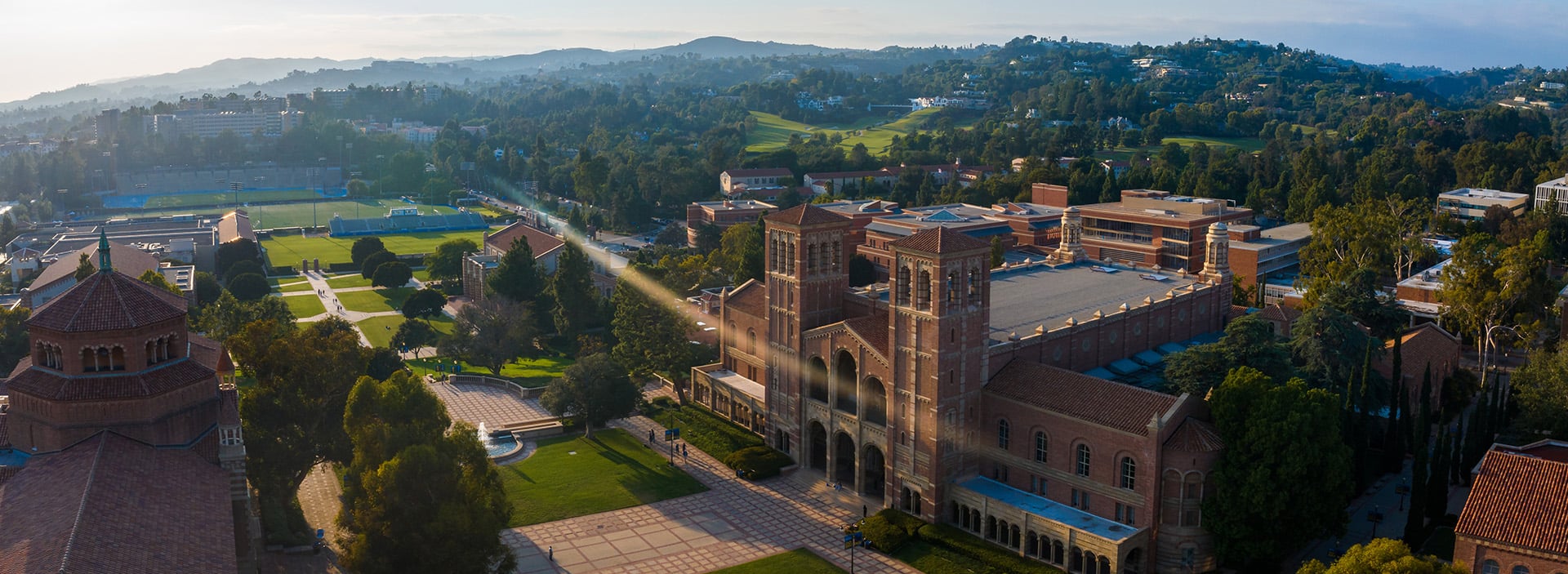
The university’s tri-generation plant provides electricity as well as heating and cooling to the campus through a steam and chilled water network. The plant represents over 90% of UCLA’s scope 1 carbon emissions, so energy and emission reductions for the plant were imperative. Decarbonizing their campus meant decarbonizing the plant.
The work started with a study of current conditions and uses across the campus, including embodied carbon and water use analysis, supply chain research and energy cost modeling. Further, our team explored solutions for future challenges the university might face leading up to 2045. For example, our engineers explored cutting-edge technologies with limited precedent research, such as green hydrogen and fuel cell technologies, that might allow the university to reach its goals.
As part of the study and scenario development, our team also trained AI algorithms using simulation models to predict energy demand, identify maintenance needs and optimize energy use in a future state.




.jpg)