shutterstock_116348596
AdobeStock_177068398
mooring - shutterstock_41663986
AdobeStock_125795175

Port of Long Beach Strategic Land Use Study

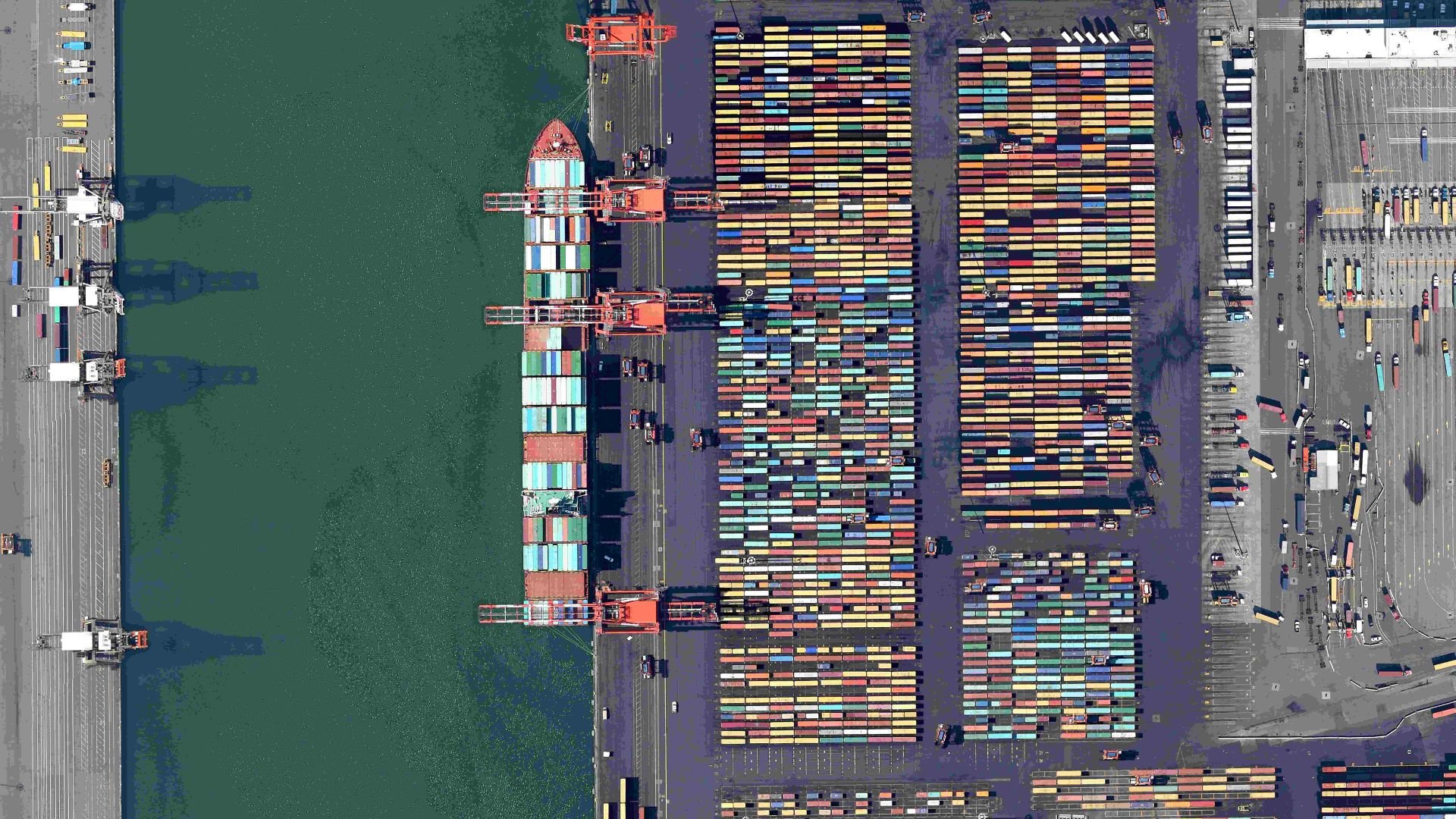
The Port of Long Beach is preparing to meet the future by initiating a broad, long-term Land Use Study, using PRIME.

Long-term Container Traffic Forecasts for Vancouver Fraser Port Authority

WSP is providing ongoing commercial and advisory support to Vancouver Fraser Port Authority relating to container terminal facilities, with a detailed market study and long-term container forecasts.

Enterprise Asset Management for the Port of New York and New Jersey

WSP USA led the development of an Enterprise Asset Management Program and phase-out of a legacy system.


Planning and Designing Next-Generation Dry Ports

Improving logistics efficiency in the maritime supply chain, enhancing decarbonization and mitigating environmental impact

Read more

Port Electrification for Container Operations and Vessels

Key considerations to scale up decarbonization efforts

Read more

Smart Port Planning - Breakwater Design Considerations

Breakwaters can be essential to protect ports and terminals from incident waves. Here are five parameters to consider when designing a breakwater.

Read more

What challenges does modern port planning need to address?

Modern port operations must balance performance, productivity, safety, cost effectiveness, sustainability, and regulatory compliance—often within tight physical, environmental, and institutional constraints. Each port faces a unique combination of market demand, vessel characteristics, environmental conditions, and stakeholder requirements, making integrated planning and feasibility analysis essential.

How does WSP support port and terminal planning?

WSP helps port authorities and terminal operators evaluate, plan, and develop efficient, future-ready terminals through feasibility studies, master planning, operational analysis, and phased development strategies. Our teams bring real-world experience across automated and conventional terminals, ensuring solutions are practical, scalable, and aligned with sustainability and marine environmental requirements.

What is PRIME | Maritime and how is it used in port planning?

PRIME | Maritime (Port, Rail, Intermodal Modelling Engine) is WSP’s proprietary planning and analysis tool used to evaluate port, marine terminal, and intermodal rail facilities. PRIME allows rapid testing of layouts and operating concepts to balance safety, capacity, productivity, flexibility, and return on investment within complex physical, operational, and regulatory constraints.

What types of terminals and operations can PRIME | Maritime analyze?

PRIME | Maritime models container, break-bulk, dry bulk, liquid bulk, Ro-Ro, and passenger terminals. It assesses practical capacity, equipment needs, traffic flows, resource utilization, energy demand, labor requirements, and key environmental impacts—supporting both ultimate build-out scenarios and phased development strategies tied to market demand.

How does WSP address automation, navigation, and security in port planning?

WSP integrates container terminal automation, navigation and berth deepening studies, mooring and maneuvering analyses, and port security planning into a single planning framework. Using numerical modelling and risk-based assessments, we help clients accommodate larger vessels, minimize dredging volumes and environmental impacts, and design secure, resilient port infrastructure that supports long-term operational efficiency.

With us, you can.

Join a team of talented people looking to have a positive impact, shape engaging places, and see the future clearly.

Explore career opportunities