Skip to content
WSP
WSP
  • Who we are
    We are the home of ambitious, passionate, and innovative engineering experts, scientists and advisors.

    Who we are
    • Overview
    • Our history
    • Corporate Responsibility
    • NZ Leadership Team
    • Our impact
    Corporate Responsibility
    • Overview
    • Communities
    • Diversity and Inclusion
    • Ethics and Integrity
    • Health and Safety
    • Sustainability
    Featured content
    thn-wsp-climate-smart-community-dover-trail
    Future Ready ®

    With Future Ready® we see the future more clearly and challenge our teams across the world to advise and design for this future as well as today.

  • What We Do
    We work together with clients to plan, design, create and deliver innovative projects that shape the world.


    View All

    • Sectors
    • Services
    • Projects
    What We Do
    • Overview
    • Property and Buildings
    • Transport
    • Earth and Environment
    • Digital
    • Energy
    • Water
    • Advisory
    • Research
    Property and Buildings
    • Overview
    • Acoustics, Noise and Vibration
    • Architecture
    • Asset Management
    • Building Compliance and BWOF
    • Civil and Cultural
    • Commercial and Mixed Use
    • Education
    • Existing Buildings
    • Green Building Design
    • Healthcare
    • Mechanical, Electrical and Heating, Ventilating and Air Conditioning (HVAC)
    • Mission Critical
    • Property Consultancy
    • Safety, Health and Environment Consultancy Service
    • Structural Engineering
    Transport
    • Overview
    • Asset Management
    • Aviation
    • Bridge Design
    • Landscape and Urban Design
    • Light Rail Transit
    • Maritime
    • Rail Design
    • Road Design
    • Surveying and GIS
    • Transport Planning
    • Tunnel Engineering
    Earth and Environment
    • Overview
    • Contaminated Land
    • Environmental Management
    • Geotechnical and Ground Engineering
    • Landscape and Urban Design
    • Occupational Hygiene
    • Primary Industries
    • Resource Management Planning
    • Sustainability and Climate Change
    Digital
    • Overview
    • Asset Intelligence
    • Building Information Modelling - BIM
    • Data Centres
    • Data Science and Analytics
    • Environmental Intelligence
    • Intelligent Mobility
    • Lifecycle Digital Twins
    • Location Intelligence
    • MMC
    • OT Cybersecurity
    • Smart Places
    • Surveying Mapping and GIS
    Energy
    • Overview
    • Energy Management
    • Energy Storage Facility Operations
    • Hydrogen Energy
    • Hydropower
    • Power Generation and Distribution
    • Solar energy
    • Transmission and Distribution
    Water
    • Overview
    • Climate Adaption and Sustainability
    • Environmental Training Centre
    • Primary Industries
    • Stormwater and Flood Risk Management​
    • Water and Wastewater Conveyance
    • Water and Wastewater Treatment
    Advisory
    • Overview
    • Asset Management Advisory
    • Digital Solutions
    • Energy Advisory
    • Investment and Transaction Advisory
    • Planning, Development and Economics Advisory
    • Sustainability and ESG Solutions
    Research
    • Overview
    • Built Environment
    • Environmental Effects
    • Human Centred Design
    • Instrumentation Monitoring
    • Laboratories
    • Materials Testing and Analysis
    • Research Design
    • Resilience to Hazards
    • Socio-economic Research
    • Wind Tunnel Testing
    Featured content
    thn_web_procurement_advisory
    Human Centred Design

    By adopting a human-centric approach, a new structure or infrastructure –  whether it’s a bridge, playground, park, or reservoir – isn’t simply a physical object consisting of raw materials and labour. Instead, it’s the manifestation of community aspirations. It’s a carefully considered design brought to life. It’s a way to solve underlying issues and make lives better. That’s because human-centric design places people firmly at the heart of projects.

  • Insights
    Our experts offer compelling insights that provide new perspectives.

    Read inspiring articles that challenge the status quo by reframing current issues, sparking fresh conversations and finding new solutions.

    View all
    Insights
    • Overview
    • Climate
    • Mobility
    • Places
    • Resources
    • Society
    • Technology
    Featured content
    WSP and Mahi a Rongo | The Helen Clark Foundation Research

    Driving bold thinking about the future of our communities, WSP has partnered with the Helen Clark Foundation since 2019 to deliver in-depth, evidence-based research reports.

  • Careers
    What if you could do the kind of work the world needs?

    With us, you can. Make your best impact with WSP, where the culture and people also make it the best work of your life.

    Find out more
    Careers
    • Overview
    • Job opportunities
    • Early Career
    • Experienced Professionals
    • Why join us?
    Featured content
    bnr-desktop-hauraki-trail
    Regional Jobs

    Discover the perfect balance of career and lifestyle—live and work in New Zealand’s stunning regions, where rewarding roles at WSP meet breathtaking landscapes, vibrant communities, and a pace of life that lets you thrive.

  • Who we are
    • Overview
    • Our history
    • Corporate Responsibility
      • Who we are
      • Accountable for Tomorrow
        • Overview
        • Communities
        • Diversity and Inclusion
        • Ethics and Integrity
        • Health and Safety
        • Sustainability
    • NZ Leadership Team
    • Our impact
  • What We Do
    • Overview
    • Property and Buildings
      • What We Do
      • Expertise at your service
        • Overview
        • Acoustics, Noise and Vibration
        • Architecture
        • Asset Management
        • Building Compliance and BWOF
        • Civil and Cultural
        • Commercial and Mixed Use
        • Education
        • Existing Buildings
        • Green Building Design
        • Healthcare
        • Mechanical, Electrical and Heating, Ventilating and Air Conditioning (HVAC)
        • Mission Critical
        • Property Consultancy
        • Safety, Health and Environment Consultancy Service
        • Structural Engineering
    • Transport
      • What We Do
      • Expertise at your service
        • Overview
        • Asset Management
        • Aviation
        • Bridge Design
        • Landscape and Urban Design
        • Light Rail Transit
        • Maritime
        • Rail Design
        • Road Design
        • Surveying and GIS
        • Transport Planning
        • Tunnel Engineering
    • Earth and Environment
      • What We Do
      • Expertise at your service
        • Overview
        • Contaminated Land
        • Environmental Management
        • Geotechnical and Ground Engineering
        • Landscape and Urban Design
        • Occupational Hygiene
        • Primary Industries
        • Resource Management Planning
        • Sustainability and Climate Change
    • Digital
      • What We Do
      • Expertise at your service
        • Overview
        • Asset Intelligence
        • Building Information Modelling - BIM
        • Data Centres
        • Data Science and Analytics
        • Environmental Intelligence
        • Intelligent Mobility
        • Lifecycle Digital Twins
        • Location Intelligence
        • MMC
        • OT Cybersecurity
        • Smart Places
        • Surveying Mapping and GIS
    • Energy
      • What We Do
      • Expertise at your service
        • Overview
        • Energy Management
        • Energy Storage Facility Operations
        • Hydrogen Energy
        • Hydropower
        • Power Generation and Distribution
        • Solar energy
        • Transmission and Distribution
    • Water
      • What We Do
      • Expertise at your service
        • Overview
        • Climate Adaption and Sustainability
        • Environmental Training Centre
        • Primary Industries
        • Stormwater and Flood Risk Management​
        • Water and Wastewater Conveyance
        • Water and Wastewater Treatment
    • Advisory
      • What We Do
      • Expertise at your service
        • Overview
        • Asset Management Advisory
        • Digital Solutions
        • Energy Advisory
        • Investment and Transaction Advisory
        • Planning, Development and Economics Advisory
        • Sustainability and ESG Solutions
    • Research
      • What We Do
      • Expertise at your service
        • Overview
        • Built Environment
        • Environmental Effects
        • Human Centred Design
        • Instrumentation Monitoring
        • Laboratories
        • Materials Testing and Analysis
        • Research Design
        • Resilience to Hazards
        • Socio-economic Research
        • Wind Tunnel Testing
  • Insights
    • Overview
    • Climate
    • Mobility
    • Places
    • Resources
    • Society
    • Technology
  • Careers
    • Overview
    • Job opportunities
    • Early Career
    • Experienced Professionals
    • Why join us?
Select your language and location

We are locally dedicated with international scale.

International
  • Global
    English — Français
Americas
  • Canada
    English — Français
  • Latin America
    Español — Português
  • United States
    English
Africa
  • South Africa
    English
Asia
  • China
    中文(简体) — English
  • Hong Kong
    English
  • India
    English
  • Indonesia
    English
  • Malaysia
    English
  • Philippines
    English
  • Singapore
    English
  • South Korea
    한국어(대한민국) — English
  • Thailand
    English
Europe
  • Denmark
    Dansk
  • Finland
    Suomi
  • France
    Français
  • Germany
    Deutsch
  • Hungary
    English
  • Italy
    Italiano
  • Netherlands
    Nederlands
  • Norway
    Norsk
  • Poland
    Polski
  • Romania
    English
  • Spain
    Español
  • Sweden
    Svenska
  • Switzerland
    Deutsch — Français
  • Turkey
    Turkish
  • United Kingdom
    English
Middle East
  • Middle East
    English
Oceania
  • Australia
    English
  • New Zealand
    English
Worldwide offices
    • Investors
    • Investors
    • News
    • Contact us
    • Investors
    • Investors
    • News
    • Contact us
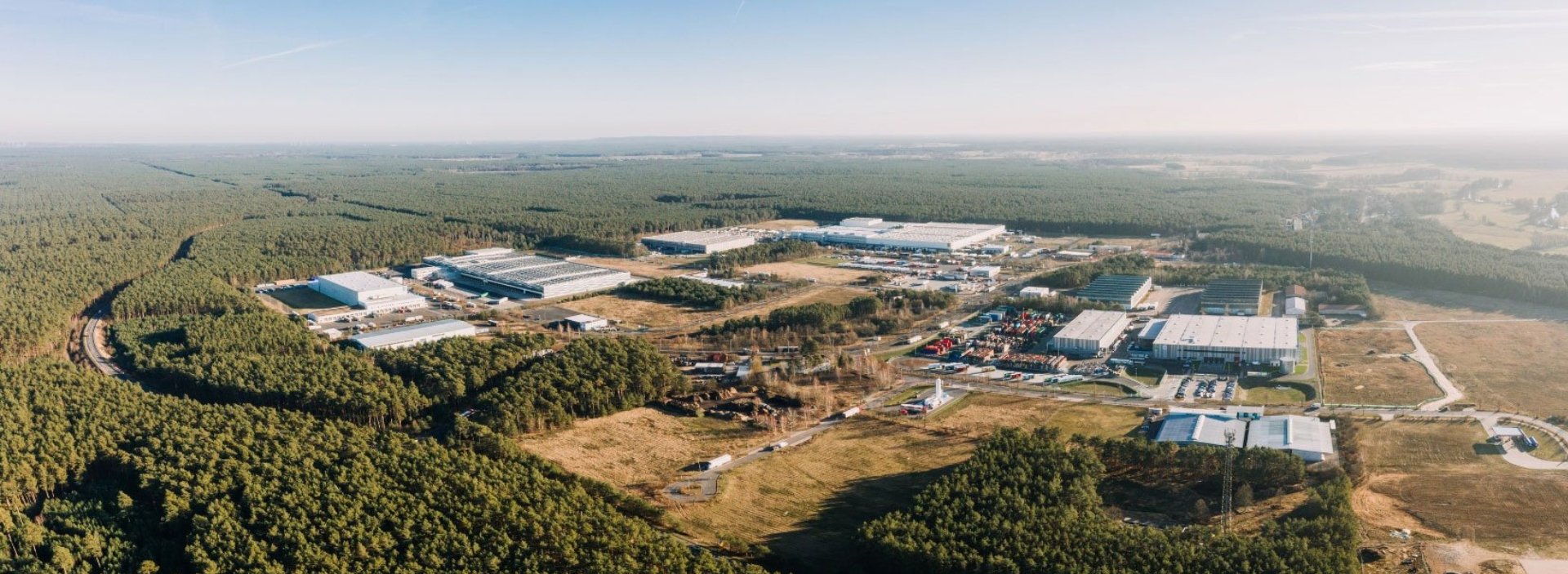
landscape image of a gigafactory facility

Five ways to build gigafactories more efficiently

The rise of gigafactories provides an opportunity to transform redundant manufacturing facilities and put them at the heart of new electrified industries. However, it takes more than just an empty building.

landscape image of a gigafactory facility

Five ways to build gigafactories more efficiently

The rise of gigafactories provides an opportunity to transform redundant manufacturing facilities and put them at the heart of new electrified industries. However, it takes more than just an empty building.

  1. We are WSP
  2. Insights
  3. Five ways to build gigafactories more efficiently
Thursday, 9 May 2024
Reading Time : 5 minutes

The global demand for electric batteries is expected to top 2,000 gigawatt hours (GWh) by 2030 (up from 185 GWh in 2020). Driven mostly by electric vehicles, consumer electronics and battery energy storage solutions (BESS) that enable renewable energy to be stored and released into electricity grids as needed.

In response, there are currently 369 gigafactories – the huge manufacturing plants needed for battery production – in the global construction pipeline that are due to be built by 2030. Countries and regions around the world are investing, including China, North America and Europe.  

Electric battery technology has an important role to play in enabling the energy transition to renewables. Here’s how the gigafactories needed to manufacture batteries at speed and scale can be built more efficiently.
 

1. Reuse existing buildings

Gigafactories are technically complex sites, but with an integrated approach it’s possible to retrofit former manufacturing facilities and reuse as much of the existing buildings, services and equipment as possible. Reusing existing manufacturing facilities can also help to create job opportunities in communities which have suffered major losses and unemployment when former industries have closed.

Peter Hodgkinson, Director for Strategic Growth and Major Projects: Property & Buildings, WSP in Africa explained: “With any gigafactory, there are a range of factors that determine a project’s viability. From the government support needed to attract and incentivize investors and developers to build, operate and maintain facilities, to the availability of local human resources and reliable clean energy to power production. All these things help to determine the right place for a gigafactory.”

“Beyond that, projects also need to consider the end-to-end supply chain and the transport infrastructure required to transport raw materials and end products, and proximity to end-user demand for batteries.”
 

2. Use digital design

Gigafactories require highly specialized facilities for the battery manufacturing process such as clean and dry rooms which surpass the conventional requirements we are used to in the pharmaceutical and other technology sectors. These are ultra clean, dust and contaminant free, pressurized, temperature and humidity-controlled environments. Building Information Modelling (BIM) enables all components to be designed and tested in a digital environment before construction or retrofit, to enhance upfront planning, reduce risk and ensure an efficient project timeline.

Typically, around 66% of a project’s capital expenditure cost comes from retrofitting the building services and utilities needed, rather than from modifying the buildings themselves. Using BIM can help to simplify the complex process and manage the costs, helping to support the case for reusing an existing building, while also eliminating gaps in the battery limits between the multiple systems in these facilities.

Peter continued: “When it comes to the site and the existing building(s), thorough studies are essential to manage the risks of retrofitting, including geotechnical and environmental assessments, evaluating flood risks and the impacts of climate change, checking for ground contamination and asbestos, and testing concrete integrity to gauge the effects of age and chemicals. A documentation search is also vital to ascertain the safety of structures and services, encompassing existing drawings, reverse engineering and reviewing maintenance records.”
 

3. Improve energy efficiency

Gigafactories use a huge amount of energy to power production, so retrofitting energy-saving measures is vital to manage operating costs and reduce operational carbon emissions. For example, adding active measures such as onsite renewable power generation, ventilation and energy efficient lighting and controls, alongside passive measures like insulation and shading.

Looking at gigafactories through a sustainability lens also means ensuring these facilities continue to operate as efficiently as possible to lower their whole-life carbon footprint. Continuous monitoring of a facility can help identify opportunities to improve lifecycle management, especially as new technologies come on board and market demand changes.
 

4. Build in adaptability to be future ready

Currently, electric batteries are typically lithium-ion batteries, but battery design is evolving rapidly. New lithium-free technologies are being developed such as sodium-ion flow batteries for energy storage, with future potential for electric vehicle charging. To cope with changing demands and reduce the need for major reconfiguration in the future, today’s gigafactories need to have adaptability and scalability built in. Climate change is also a factor that needs to be considered for any build, particularly impact on local climate as well as being energy efficient in design.
 

5. Embrace sustainable circular economy principles

Using circular economy principles will help gigafactories design out waste and pollution at the start of a project and reuse and regenerate resources. From incorporating electric battery recycling facilities, to reclaiming and reusing waste heat from the manufacturing process.

Technologies enabling electric batteries and their components to be reused and recycled are also advancing, including circular ‘closed loop’ systems for reusing raw materials like lithium, cobalt, copper and nickel. To enable a more sustainable future, gigafactories need to be designed to support this part of the process too.
 

our-people-peter-Hodgkinson
Peter Hodgkinson
South Africa

Share this page

  • Share on Facebook - Warning, this link will open a new tab.
  • Share on Linkedin - Warning, this link will open a new tab.
  • Share on Twitter - Warning, this link will open a new tab.
  • Share on Skype - Warning, this link will open your Skype application.

Related themes and tags

  • Energy Transition (82)


  • Buildings (129)
  • Energy (89)

More on this subject

thn-methanol-as-marine-fuel-life-cycle-v2

September 2026 | 3:30 minutes

Methanol as a Marine Fuel – Life Cycle Study

svg-icon Technical Paper
Decarbonization , Energy Transition , Mobility
thn-kiinteistojen-ilmastoriskien-arviointi

August 2026 | 5 minutes

How groundwater shapes mining projects

Australia
svg-icon Feature
Resources , Energy Transition
thn-mining-project-delivery-certainty

August 2026 | 5 minutes

Delivering certainty in remote mining locations

Australia
svg-icon Blog
Resources , Energy Transition
thn-transaction-advisory

June 2026

Three investment realities shaping Europe's infrastructure moment

Data Centres , Energy Transition
CS2026_4218_Energy Image_Thumbnail

May 2026

Aotearoa New Zealand’s energy turning point

New Zealand
svg-icon Feature
Climate , Energy Transition , Technology
thn-Energizing-Airports-Strategies-for-a-Sustainable-Aviation-Future

February 2026 | 0:52 minutes

Energizing Airports: Strategies for a Sustainable Aviation Future

United States
svg-icon White Paper
Decarbonization , Energy Transition , Mobility
thn-the-Reliability-Roadmap-Powering-Today-Preparing-for-Tomorrow

February 2026 | 1 minute

The Reliability Roadmap: Powering Today, Preparing for Tomorrow

United States
svg-icon Feature
Resilience , Energy Transition
Img-Next-Gen-Airliners-Thumb

December 2025

Accommodating the Next Generation of Airliners

svg-icon White Paper
Decarbonization , Energy Transition , Mobility , Resilience , Technology
Img-Rail-Decarb-4-Thumb

November 2025

Rail Decarbonization: Accelerating Progress

svg-icon White Paper
Decarbonization , Energy Transition , Technology
thn-battery-energy-storage-systems

October 2025 | 5 minutes

The Best of the BESS: The Role of Battery Energy Storage Systems in Grid Reliability

United States
svg-icon Feature
Resilience , Energy Transition
thn-765kV-design

September 2025 | 4 minutes

A New Design Paradigm for Extra High-Voltage Transmission Lines

United States
svg-icon Feature
Resilience , Energy Transition
thn-Energy Transition Ready Resilience Go

September 2025 | 10 min

Energy Transition: Ready. Resilience. Go.

svg-icon Feature
Energy Transition , Climate
  •   Page will open in a new tab
  •   Page will open in a new tab
  •   Page will open in a new tab
  •   Page will open in a new tab
  •   Page will open in a new tab
  • Who We Are
  • Our history
  • Future Ready
  • New Zealand Leadership
  • Global Leadership
  • Our offices
  • What We Do
  • Sectors
  • Services
  • Projects
  • Insights
  • Climate
  • Mobility
  • Places
  • Society
  • Resilience
  • Technology
  • Careers
  • Join Our Team
  • Holiday Act Remediation for Former Employee
  • Early career
  • Experienced professionals
  • Why join us?
  • Corporate
  • Sustainability
  • Health and Safety
  • Investors
  • Business Conduct Hotline
  • News
  • Ethics and Integrity
  • Engineer in Safety
    ©2026 WSP
    • The WSP Logo
    • Privacy Policy
    • Anti-Spam Commitment
    • Cookie Notice
    • Terms of Use
    • AI statement
    ©2026 WSP
    Exiting our Website

    You are about to leave WSP.com and are being redirected to a job opportunity at Louis Berger, which has been recently acquired by WSP in the US.