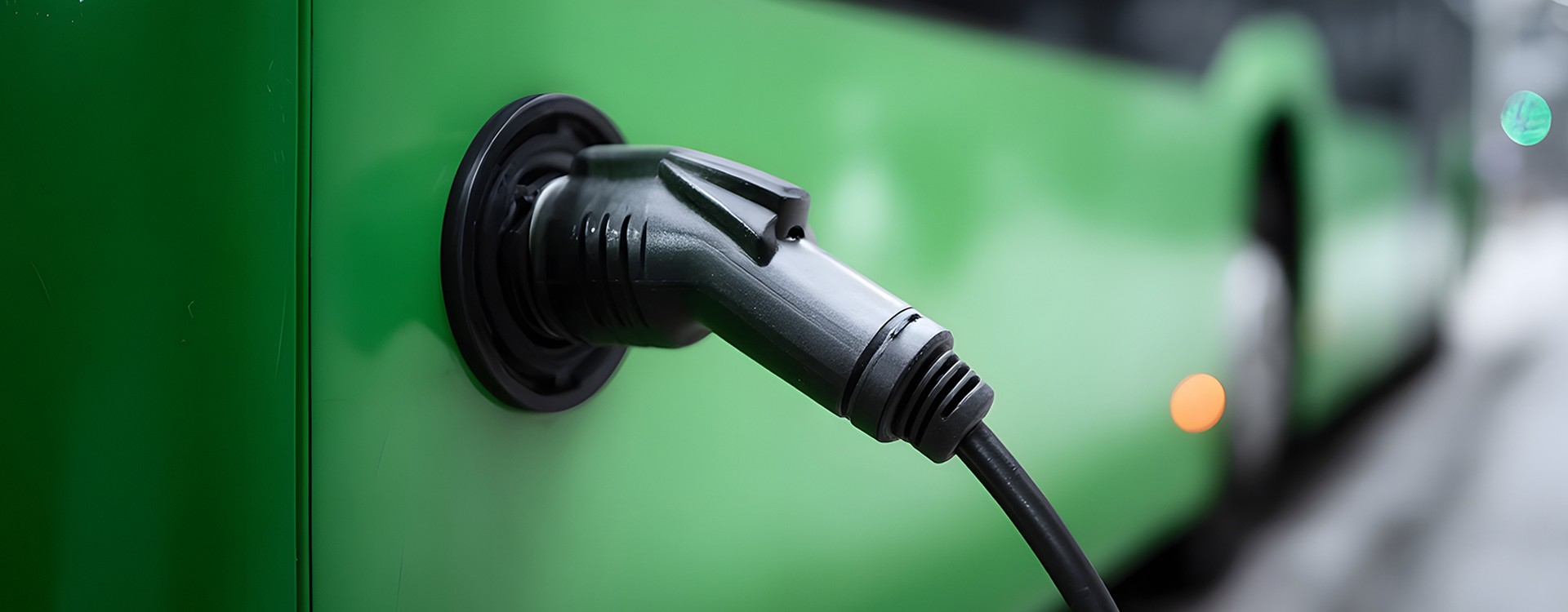
We’re seeing an increase in the electric vehicle fleet, especially in the heavy vehicle sector. But roads and bridge stock are taking the brunt of that - and we haven’t fully reshaped our thinking around infrastructure to match.
The rise of heavy EVs
While passenger EVs have surged in popularity, uptake in the heavy vehicle sector - buses and trucks - has been slower but steady. The real pressure point is electric buses, particularly double-deckers.
Around the country there are plans to transition bus fleets to green energy. That’s a commendable move, but it comes with consequences.
At full occupancy, electric double-decker buses can exert 2.5 times the loading of their diesel equivalents. For every diesel double-decker, we’re essentially running 3.5 electric ones in terms of impact on roads.
The result is visible. In Wellington, rutting at bus stops - especially where electric buses accelerate or brake - is becoming more pronounced. WSP recently produced a report for NZTA that, among other things, outlined mitigation strategies, including reducing passenger numbers, lightening buses (e.g., smaller batteries), or reinforcing key pavement locations like bus stops and intersections.
Design standards lagging behind
Despite the mounting evidence, current asset design standards aren’t keeping pace with the evolving fleet. Roading operators know the issue, but decisions have already been made and investments committed. The attitude is often, ‘we’ll just maintain the pavement as needed.’
The damage to roads is multifaceted - rutting, cracking, and shoving - where pavement shifts laterally, especially on corners. Bridge decks are also under strain. While pavement loading rarely results in permit denials, bridge structure loading can. Permits are issued to a maximum weight that can't be exceeded. This can limit the total load, but often rarely does as buses, for example, are not always operating at maximum capacity.
Concrete solutions and cost trade-offs
The best material for dealing with heavier loads is concrete. These are used in the U.S. and parts of Australia. It’s more costly upfront, but when you factor in the maintenance savings, it starts to make sense - especially for targeted treatment areas.
This targeted approach is key. Rather than overhauling the entire network, specific corridors where the impact is concentrated should be strengthened - such as bus routes, freight-heavy zones, and intersections.
Trucks, tare weight, and permitting challenges
The freight sector faces its own hurdles. Electric and hydrogen trucks carry additional tare weight - often 4 to 6 tonnes - which reduces payload capacity due to the mass of the additional fuel cells.
The message? If you want to maximise payload, don’t go green - at least not under current rules. It’s a paradox: ECCA is funding fleet electrification, but the roading infrastructure isn’t yet ready to support it.
Data gaps and reactive maintenance
The lack of robust data isn’t helping. It’s a bit of a head-in-the-sand situation. We know damage to roads from heavy green vehicles is a problem, but we’re not quantifying it properly.
Without comprehensive data, road operators are left reacting to damage rather than proactively designing for it. There could be a tsunami of maintenance costs heading our way if this continues unchecked.
Collaboration and pragmatism
There is hope in collaboration though - especially in pragmatic partnerships between NZTA, councils, and road engineering firms.
What is needed is targeted analysis, which can result in decisions to strengthen pavements on key bus routes and freight corridors. These kinds of quick wins can offset carbon emissions without ballooning maintenance costs.
Short haul port-to-inland-port routes are another prime candidate. These are typically only 1–2 km, but get hammered. If we design stretches like these to last, we’re ahead of the curve.
The road ahead
None of this will be an overnight fix. It's likely 30 to 40 years given the investment needed. But we need freight-ready highways. If rail isn’t going to take the load, then let’s investigate building freight-only lanes - like some Nordic countries have done.
Why not designate specific corridors for green heavy vehicles? We have cycle lanes — why not durable freight lanes?
Applying resilient pavement designs case by case in this way is a simple idea with profound implications. Because while New Zealand has the ambition to go green, it needs the infrastructure to carry the weight - literally.
Heavy green vehicle fleets are one part of a great solution to reduce fossil fuel dependency, but if we don’t build the roads to support these, we’ll pay for it in maintenance. And that cost is coming.