The southern alpine lakes support New Zealand's largest renewable hydro scheme; together, they harness millions of gallons of free-flowing pure glacial water. As a result, this freshwater taonga is rich in minerals - a perfectly matched chilled environment for the much-prized southern King Salmon delicacy.
New Zealand's freshwater King Salmon is sustainably raised in the swift, cold currents and highly oxygenated water of the Southern Alps, producing a uniquely subtle, clean taste and delicate texture for discerning and highly competitive worldwide markets.
One of nature's superfoods, King (Chinook) salmon is exclusively the species farmed in New Zealand, which accounts for about 85 percent of the global supply. Our premium product currently commands a premium price on the world's market.
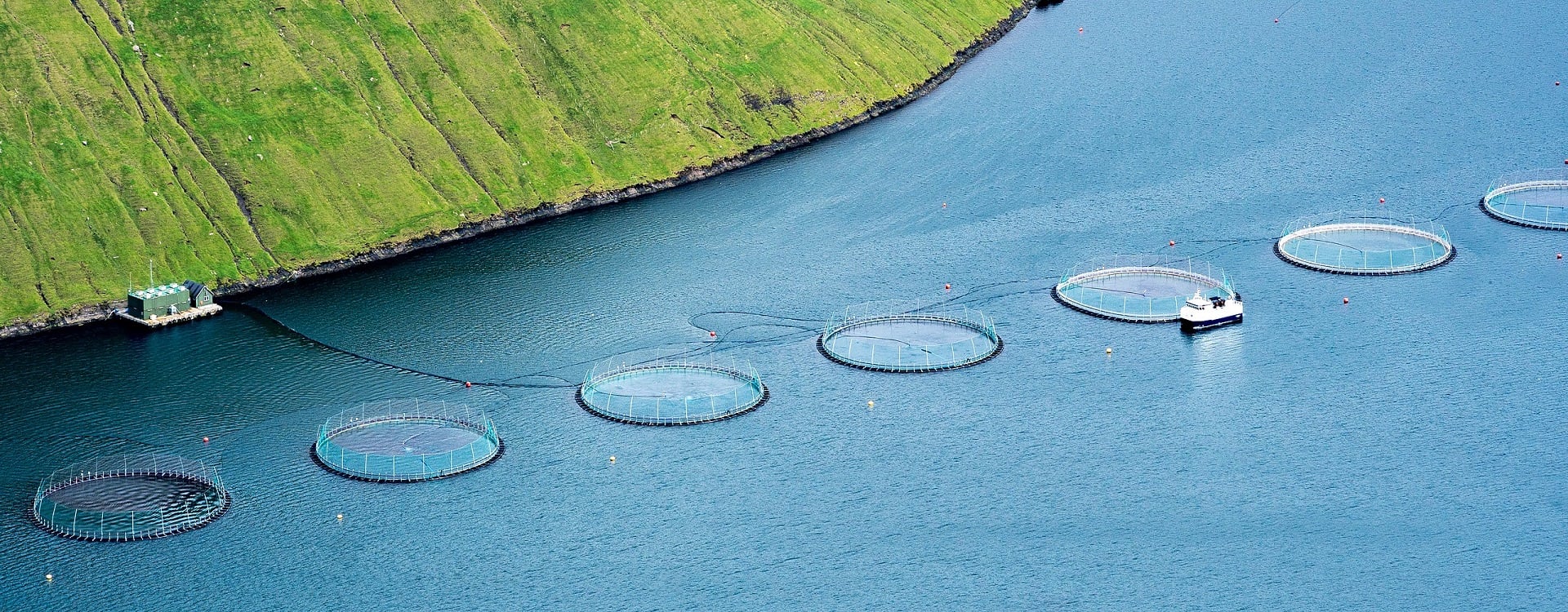
Mt Cook Alpine Salmon is the leading producer of freshwater King Salmon in New Zealand, exporting over 60 percent of its production to global markets. The company operates five salmon farms in the unique glacier-fed hydro-canals that run through the MacKenzie and Waitaki districts.
In addition, it owns two hatcheries (and has shares in a third), a large primary processing plant in Timaru, and a secondary processing plant in Christchurch, where it produces its popular Aoraki smoked product range. The company employs over 240 people across Christchurch, Timaru, Queenstown, and Twizel – where it’s the largest employer.
In recent times, the company, with the support of WSP NZ, began developing a prototype for New Zealand's first sustainable, land-based salmon farm, with backing from the Ministry for Primary Industries Sustainable Food and Fibre Futures (SFF Futures) fund. SFF Futures is committing $6.7 million over six years to the $16.7 million project.
Global demand for healthy, sustainably produced aquaculture products like these continues to grow, and land-based salmon farming will help New Zealand boost the supply of this high-quality, high-value product.
The project aligns with the Government's aquaculture strategy, which outlines a sustainable growth pathway to an additional $3 billion in annual revenue. Land-based aquaculture is a crucial pillar of the aquaculture strategy, which relies on innovation across the aquaculture sector, industry experts and support. The project is an excellent example of intelligent thinking to explore what land-based farming could look like for New Zealand based on next-generation salmon farming techniques. WSP is proud to have contributed to the innovation in the land-based system.
Realising land resources a consideration
In times of uncertain climate change effects, realising resources on land provides substantial opportunities for the aquaculture industry. WSP NZ works with a variety of private, corporate, and government clients to navigate through these early stages to determine the best use of land resources at a local scale and then provide a clear pathway forward for clients to create sustainable, resilient enterprises for future generations.
A recent example of this industry focus is highlighted in the North Island where WSP supported kaitiakitaki (guardianship) within a rohe (tribal boundary) to investigate sustainable future land use options for the people. The iwi has clear environmental goals to protect, enhance and use natural resources in its rohe – the wai (water), koiora (flora and fauna), whenua (land), mahi ngahere (forestry) and rangi (air).
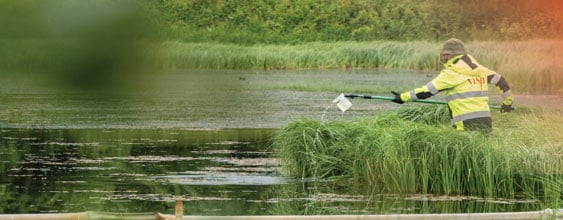
Water is an especially precious resource that will enable and drive land-based businesses. Working in partnership with Mercury Energy, Ngāti Tahu Ngāti Whaoa NTNW sought to better utilise the water allocation in the catchment to support a broader range of land uses within its rohe. By diversifying land uses, NTNW hopes to encourage whanau to return to the rohe, by offering employment and educational opportunities and supporting whanau with kai (food) produced within.
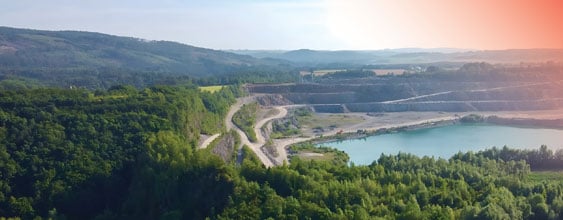
The high-level land use feasibility study assessed alternative primary industry options for five NTNW blocks within the Upper Waikato River catchment in the Orakei Korako and Ohaaki areas. These blocks host diverse landscapes, and extensive existing infrastructure could be accessed to facilitate high-energy land uses. There’s much potential to develop these land holdings further, with aquaculture presenting a significant opportunity for the iwi to diversify its current taiao focuses.
With ongoing investments in research, technology, and innovation, the sector is poised for continued growth and success, providing a valuable source of seafood for local and global markets while supporting our economy and communities.