Often, climate change forecasts present increases in average temperature, rainfall, etc., but it's the frequency and severity of extreme weather events that affect the resilience of our infrastructure and networks.
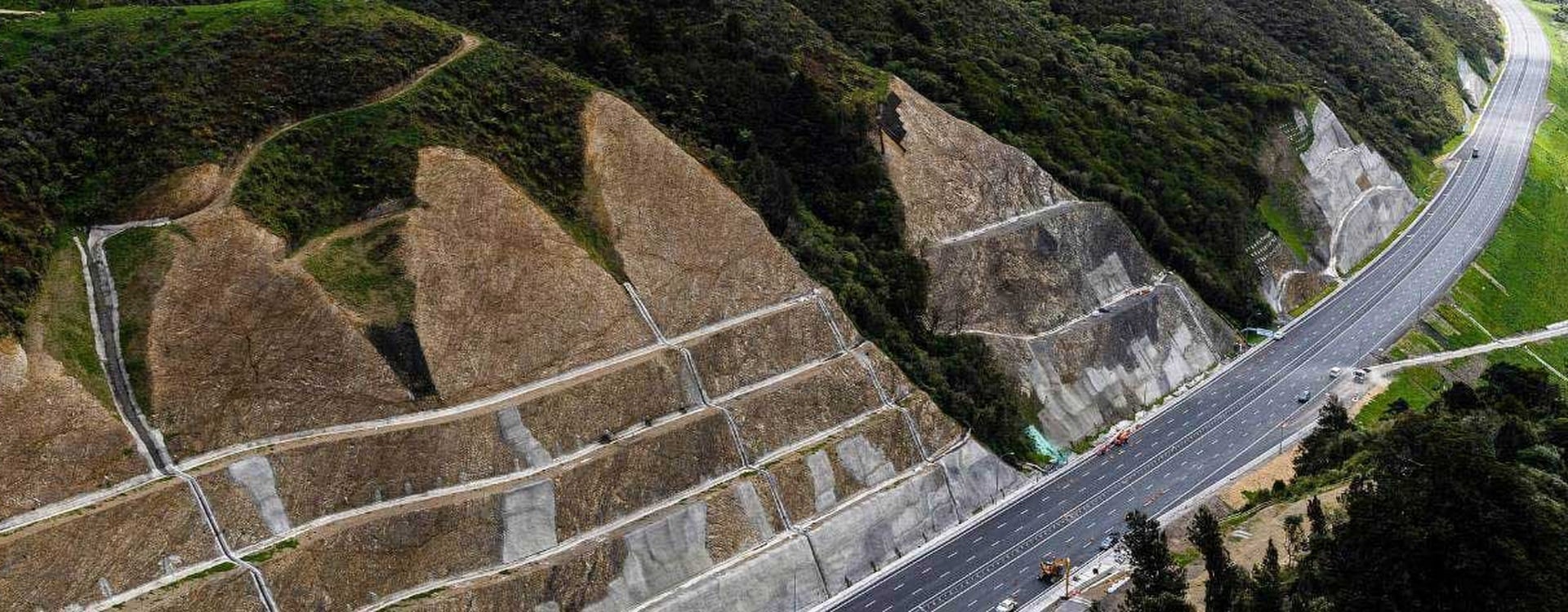
Recent years have shown how vulnerable these connections can be. Flooding, slips, coastal erosion and storm damage have closed roads, isolated communities, and disrupted supply chains. These events are more than infrastructure failures. They affect people's ability to get to work, access healthcare, attend school and stay connected to their communities.
For infrastructure owners, councils and transport agencies, climate resilience is about understanding these risks and planning for them before they happen. It means recognising that past conditions are no longer a reliable guide to the future and that infrastructure must be designed, maintained, and managed with a changing climate in mind.
Importantly, resilience isn't simply about building bigger or stronger assets. It's about making sure infrastructure can withstand disruption, adapt to changing conditions and recover quickly when extreme events occur. It's also about understanding how failures in one part of a network can affect wider communities and regions.
Transport networks are a good example. A bridge, road or rail line may perform well under normal conditions, but if it becomes vulnerable during a major storm, the consequences can extend far beyond the asset itself. Communities may lose access to essential services, businesses may face significant economic impacts, and emergency response can become more difficult.
This is why climate resilience requires a shift from thinking about individual assets to thinking about entire systems.
A resilient transport network is one that understands where vulnerabilities exist, how different parts of the network interact, and what options are available when disruption occurs.
In some cases, this may involve strengthening existing infrastructure. In others, it may mean creating alternative routes, improving network redundancy, or reconsidering where and how future development occurs. In some cases, this might just be having carefully developed pre-plans for some components of the system to restore access quickly.
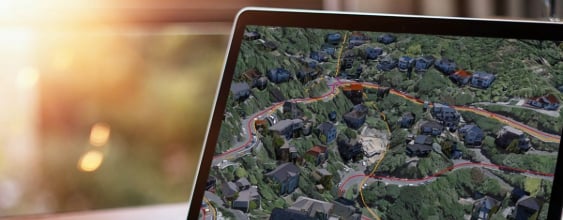
Great examples are the work WSP has done with Auckland Transport to identify and proactively target climate‑related risks across roads, structures, and public transport assets, and with the NZ Transport Agency and local authorities in Wellington to develop a first-of-its-kind programme business case for land transport resilience.
Resilience also requires proactive investment. Historically, infrastructure funding has often focused on repairing and replacing assets after damage has occurred. Climate resilience encourages a different approach, which often means investing earlier to reduce risks before they become more costly and disruptive.
While this can require difficult decisions and upfront costs, studies have shown that every dollar invested in resilience and risk reduction can deliver multiple dollars in avoided damage, recovery costs and wider economic disruption.
For communities, climate resilience is ultimately about confidence. Confidence that essential services will remain available during extreme weather events. Confidence that transport links can recover quickly after disruption. And confidence that the infrastructure being built today will continue to serve future generations.
Building resilience is therefore not a single project or a one-off investment. It's an ongoing process of understanding risk, adapting to changing conditions, and making informed decisions about where resources can deliver the greatest benefit.
As climate pressures keep growing, resilience will increasingly become a core consideration in infrastructure planning and investment. The challenge is not whether we need to adapt, but how quickly and effectively we can do so.
The communities that thrive in the decades ahead will be those that move beyond responding to disasters and instead build resilience into the decisions they make today.