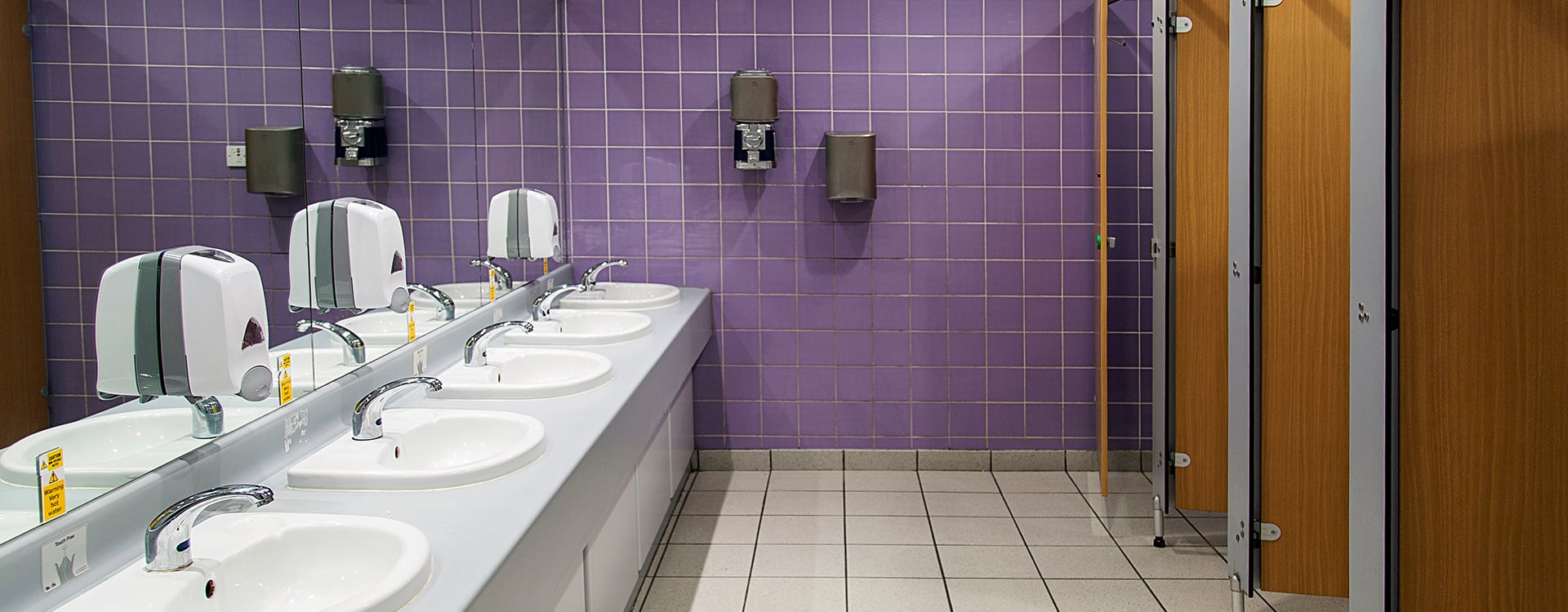
In simple terms, buildings such as offices, museums, libraries, shopping malls, recreation facilities, etc. should have appropriate bathroom spaces and facilities for personal hygiene. These facilities must be conveniently located and accessible to everyone.
“Public bathrooms are essential urban infrastructure, serving basic human needs and promoting public health. Thoughtful design ensures accessibility and inclusivity for diverse groups of people,” says WSP team leader for human factors and social sciences Dr Leoni McKelvey.
“WSP was involved in research to update the Building Code's toilet provisions in 1994. We’re pleased to be able to do so again. With major societal change over the past three decades, it’s unclear how well peoples’ bathroom needs and preferences are currently being met,” she says.
“A lot has changed since this part of the Building Code was last reviewed - not least of which is a growing, aging, and more multicultural population.
“Our survey asks what people need and expect of public sanitary facilities - especially from groups with unique or differing needs, such as disabled people, families, older adults, gender minorities, pregnant people, people who menstruate, those with different health conditions, and those from different cultures.”
The survey is open to anyone in Aotearoa New Zealand over 16 years old and can be found here.
A 'stakeholder’ group has also been assembled to give feedback and help support BRANZ’ review. The group includes representatives from inclusive design and disability groups, gender minorities, older and younger users, people with differing cultural needs, and those involved in designing, constructing and maintaining bathroom facilities.
WSP’s survey data and feedback from the stakeholder group will be used to identify where changes to the public bathroom design standard could be made. The review will also look at what bathroom design and accessibility standards work well overseas and whether these could be applied in Aotearoa New Zealand.
“Experience overseas indicates there's unlikely to be a one size fits all solution, but it's important to raise the bar for the bare minimum in public bathroom accessibility,” says Leoni.
“To deliver real change we need to flush out input from everyone. So, if you have thoughts about toilets you’re willing to share, we want to hear from you.”