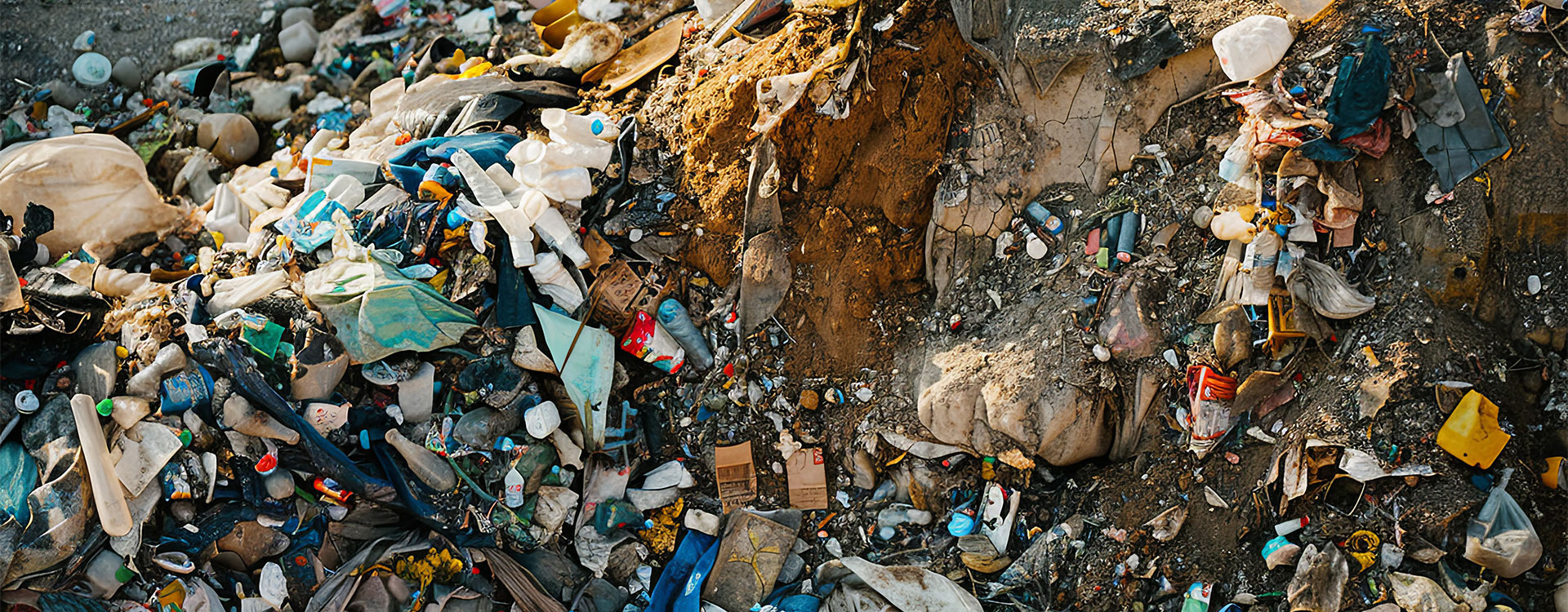
There are between three and four hundred closed landfills around the country. Many are at risk of spilling their contents due to erosion and extreme weather from climate change.
Carole points to 2019’s Fox River dump disaster as a scenario that Aotearoa New Zealand can ill afford to repeat. An old landfill on the banks of the Fox River became exposed during flooding and washed tons of rubbish out to sea.
With revenue from the Waste Disposal Levy able to be used for closed landfills under the proposal, local authorities managing historic dump sites like Fox River could soon look to a new source of funding in helping put things to rights.
Carole says fixing up a closed landfill site is neither simple nor cheap. Without a properly engineered landfill cap, waste can become exposed. This presents a physical and chemical exposure risk for anyone accessing the site. Rainfall can travel through the waste, leaching contaminants into the environment.
“So, what are the options for remediating these sites? Worst case scenario, waste from a closed landfill might need to be completely removed and transported to a new location. This was done at Kaiawa on the Hauraki Gulf in 2016. In other situations, some materials such as heavy metal items (e.g. car bodies) can be removed and recycled, and the landfill re-engineered and re-capped to provide a better level of protection," says Carole.
“Engineered coastal or riverbank protection is recommended as an additional fix-up measure for sites near the ocean or rivers. This happened in 2023 for the old Putorino Landfill in Manawatu after erosion at the site, on the banks of the Rangitīkei River, caused waste to spill into the river.”
Carole says funding the costs of remediation can be a challenge for Councils – especially those with small ratings bases. For this reason, any extra Budget funding would be more than welcome.
“Costs can range between one and five million dollars. It’s not small change, but it’s important to be proactive and deal with your closed landfill site before the worst happens. Why? Because fixing things up after the fact will cost much more. Fox River, for example, cost about $8 million.”
Proactive clean-ups to look to for inspiration include Buller District’s work at the Buller Landfill.
While other parts of the world are also grappling with the urgent need to remediate closed landfills, it’s arguably a bigger problem in New Zealand because of our long coastline and traditional use of waste to reclaim land or fill in gullies.
With a study by the Ministry for the Environment showing many of the country’s closed landfill sites have the potential to be another Fox River, Carole says it’s clearer than ever that historic landfills are a problem waiting to happen.
“Without intervention, we can expect more to spill their toxic legacy – which will be bad news for ecology, biodiversity, conservation, human health, and our international reputation. This must be avoided at all costs.”