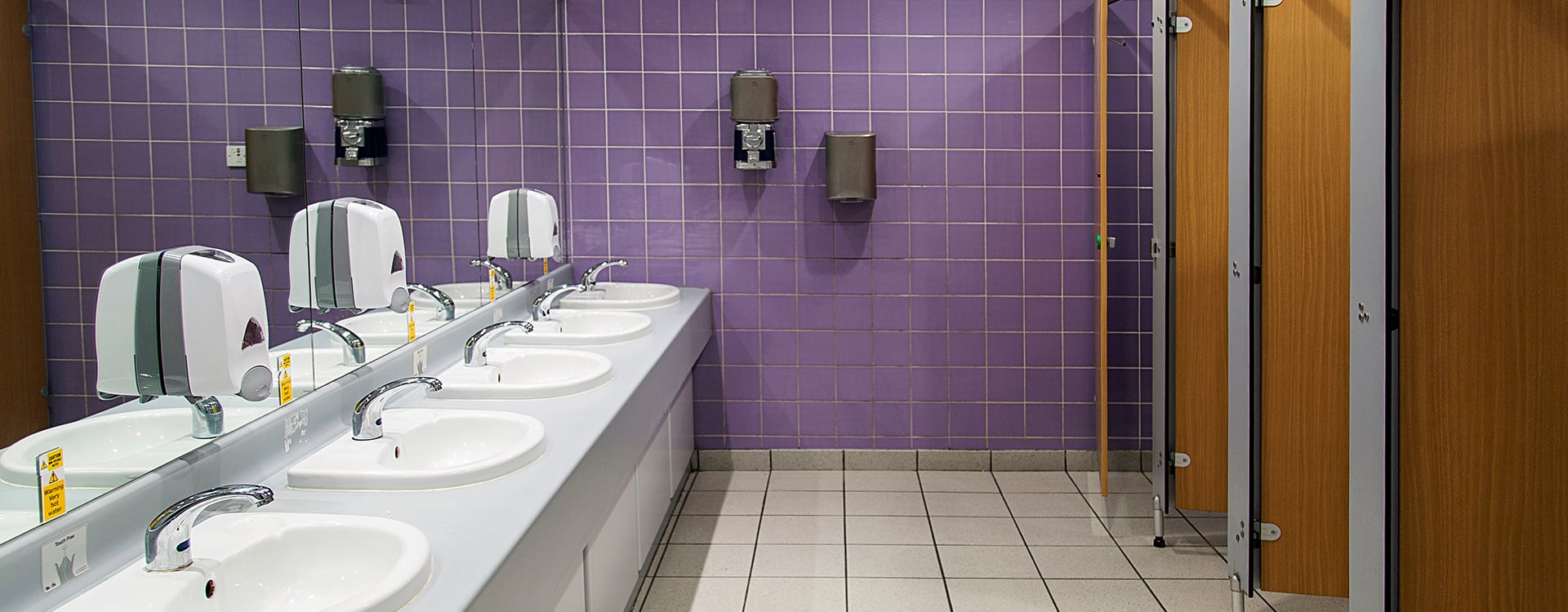
More than 3,000 people took part in the survey, part of a WSP study commissioned by BRANZ that also included a literature review and targeted stakeholder consultation. The aim was to assess whether bathrooms in public and commercial buildings – such as libraries, sports centres, museums and eateries – are meeting people’s needs.
And, for many, they’re not.
One in five respondents said public bathrooms don’t meet their needs, a figure that jumps to nearly half for those with a disability. A third said they often have to wait to use the bathroom – especially women, parents, and people with disabilities. One in five also reported feeling unsafe using public facilities.
WSP team leader for human factors and social sciences Leoni McKelvey says the feedback paints a clear picture of what’s working – and what isn’t.
“Two out of three people told us that the availability of a public bathroom affects their decision about where to go. That has real implications for inclusion and access, especially for those with health conditions, pregnant people, families or anyone in a vulnerable situation.”
Survey respondents also raised concerns about a lack of space for belongings, poor lighting, and inconsistent access to baby change facilities and sanitary products.
The research also sought views through a stakeholder group, which identified barriers to improvement – including cost, a lack of understanding of users’ needs, and outdated standards in the Building Code. The bathroom standards haven’t been updated in thirty years.
Leoni says current guidelines are based on work done in the 1990s – a time when the workforce and demographic makeup were very different. Since then, society has seen significant shifts, including an ageing population, greater gender diversity, and more women participating in the workforce. Traditional household roles have evolved, and yet our public bathroom infrastructure has not kept pace.
“Understanding the needs of todays and tomorrow’s population is vital. That’s why the study also sought input from school communities, recognising that the requirements of different generations can vary and need to be planned for now. Without access to appropriate bathroom facilities, many people are excluded from fully participating in work, education, and social life.”
WSP’s final report includes a raft of recommendations for the Ministry of Business, Innovation and Employment (MBIE) to consider. These range from revising MBIE's ‘toilet calculator’ used to determine the number and size of bathrooms in a building, to introducing more flexible bathroom labelling at certain venues.
Leoni says there seems to be a real appetite for change.
“What we’ve done is provide a solid evidence base to help guide that. We hope MBIE takes these findings and uses them to improve the Building Code so our public and commercial bathrooms can better serve all New Zealanders.”
MBIE was involved throughout the review and is now considering the recommendations.