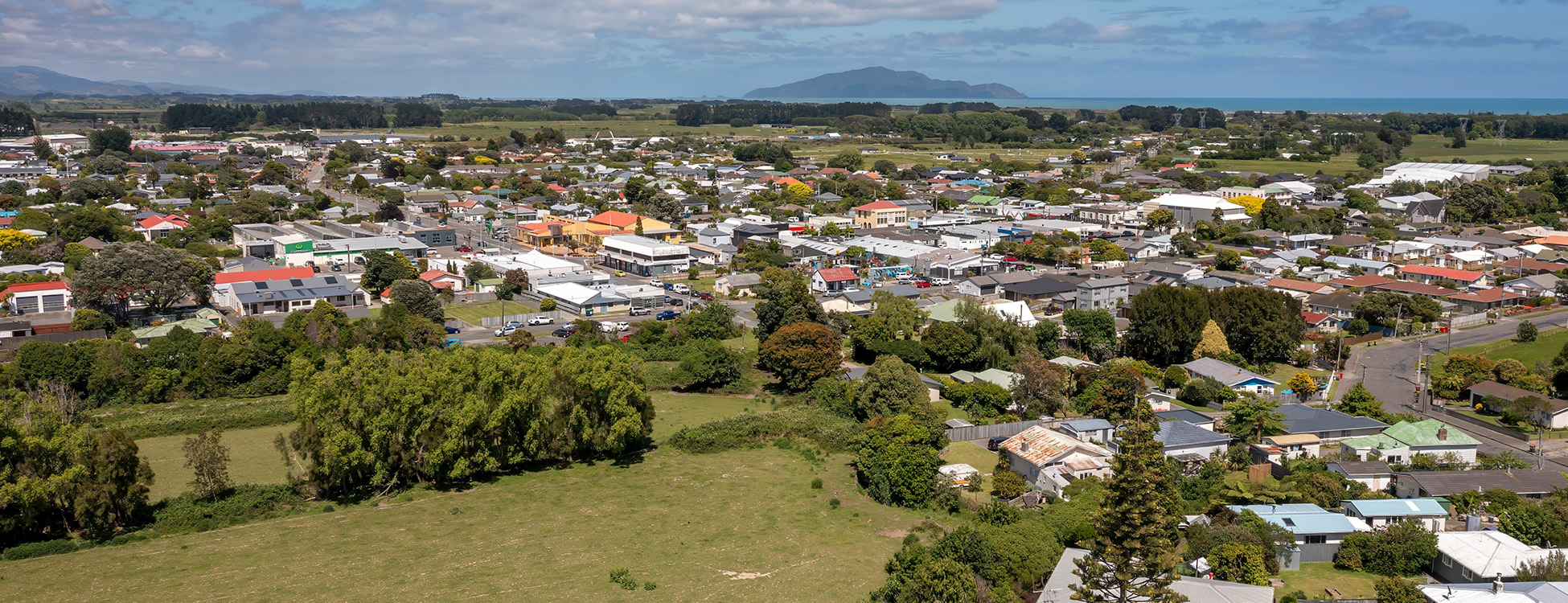
WSP surveyed five hundred people in the small town north of Wellington in 2011 - asking about their travelling behaviour if a bypass was built. Nearly 90 percent said they’d still shop or stop — especially if the town was easy to access, felt safe, and offered a good place to park and walk.
Now, two years after the bypass has opened, that seems to be the case.
WSP technical director for human factors Jared Thomas says, before the bypass, most people weren’t just pulling over for petrol and a pie.
“They were stopping because Ōtaki had something more — and still does. In our study, we anticipated some short-term economic pain, but also that it would bounce back in the long term.”
A big concern at the time was that with less traffic rumbling down the main drag, foot traffic might dry up too. But now, with better pedestrian access, more street parking, and a quieter vibe, both locals and travellers seem to be sticking around the main street.
Councillors and local businesses have been reported as saying it’s become a better place to live and a more enjoyable spot to take a break — just a couple of minutes off the highway.
Jared says it's great to see published anecdotes about people getting their town back, less traffic, and people stopping and spending time and money in Ōtaki.
While anecdotal information should always be taken with a grain of salt, another survey or analysis of electronic spending data would really get to the heart of the matter, he says.
WSP’s Ōtaki survey method in 2011 was way ahead of its time, asking people what they would do if the bypass was built. This kind of 'what if' thinking is a tool WSP uses in a range of future-focused research — from cycling and public transport to economic impact modelling.
Jared says work like this helps transport and urban planners test scenarios.
“You can never know just what people will do, but you can ask smart questions and uncover what might happen.”
He cautions, however, that bypasses won't be an economic boon for every little town.
“The rule of thumb from overseas studies is that bypasses can badly affect smaller communities of less than 2,500 people - especially ones without offerings beyond petrol stations and a few food places. Thankfully, Ōtaki at the time was twice that size and had points of difference including a scenic village feel and popular brand outlet shops.”
And for those wondering whether Ōtaki is worth the short detour from the bypass? Of course - at least, we think it is!