Cause and effect
A big factor in someone being seriously injured or killed is the speed of the collision. As such, reducing speed is a good approach - even reducing the collision speed by 5km/h makes a huge difference to the severity of the crash.
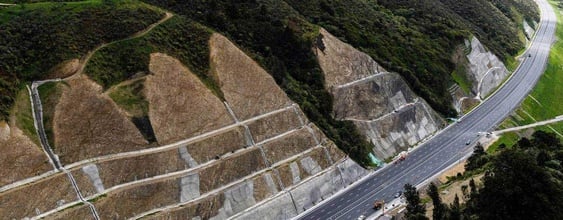
Another factor is to make the road a safer, more forgiving environment by putting in guard rails and removing hazards on the roadside. The government is addressing this through the Safe Network Programme, which is prioritising safety improvements on state highways and local road safety projects.
Vision Zero is also about appropriate speeds that are suitable for the type of road and environment.
In a town centre where you have a lot of people walking about, cars parking and turning, you need a lower speed. We know that people who are vulnerable road users – pedestrians, cyclists, scooter users, basically anyone without a protective shield of metal around them – are much safer if they happen to be involved in a crash at 30km/h than at 50km/h.
The good news is that a few engineering and landscaping touches can achieve traffic calming in a way that makes it feel natural to drive at 30km/h or less. Ponsonby is a great example of this, where road humps and chicanes combined with appropriate planting have been used to good effect.
On the other hand, we have motorways that are perfectly safe at 110km/h and speed limits are being changed to reflect this. However, much of our rural road network isn’t safe at 100km/h and this also needs to be reflected in the rollout of a “safe and appropriate speeds’ programme.
Safer design
Globally WSP has been working on Vision Zero since it was introduced more than 30 years ago and what we know is that humans fail, but design shouldn’t.
System designers are responsible for the design, operation and use of the road transport system and, as such, are responsible for the level of safety within the entire system.
Road users are responsible for following the road transport system rules set by its designers. If users fail to comply with these rules due to a lack of knowledge, acceptance or ability, the system designers are required to take the necessary further steps to counteract people being killed or injured.
We all need to step up
Perhaps because it has always been that way, we take it for granted that deaths and serious injuries are an inevitable price to pay (the road “toll”) for using our roads.
Last year 380 people died and more than 2,000 were seriously injured. Would we accept this approach and level of risk with our drinking water? What if the entire population of a town like Taihape was killed and/or seriously injured by an avoidable event? There would be understandable outrage.
Serious injuries and fatalities cause trauma for a lot of people and impact the whole of society. The effect of less trauma on our roads would be really wide-felt. If we could reduce the number of people per year killed by 50%, like Sweden did, that would save nearly 1,000 lives over the next 5 years. Why wouldn’t we do everything we can to save those 1,000 lives?
It’s time everyone in New Zealand asked themselves how many deaths we are prepared to accept. If we all agree that it’s zero then we all have a shared responsibility to create a safer system out there.
About
Fergus Tate is widely acknowledged to be a leading expert in road safety in New Zealand, having spent over seven years with the NZ Transport Agency where he was the Lead Safety Advisor for Roads and Roadsides and previously the National Manager Traffic and Safety. As Technical Director – Transport at WSP Opus, Fergus provides expertise to clients to help them bring complex projects to life.
The views expressed are the opinions of subject matter experts and do not necessarily reflect those of WSP.