Transport and clean growth
With transport being one of New Zealand's largest sources of greenhouse gas emissions, plans for rapidly decarbonising the sector feature heavily in the Government's just-released Emissions Reduction Plan (ERP). Transport is also a focus of regional plans like Te Tāruke-ā-Tāwhiri: Auckland's Climate Plan and the Wellington Regional Growth framework. Achieving the transport targets in these plans will require big changes to the way that Kiwis travel. Clean growth will play a critical role.
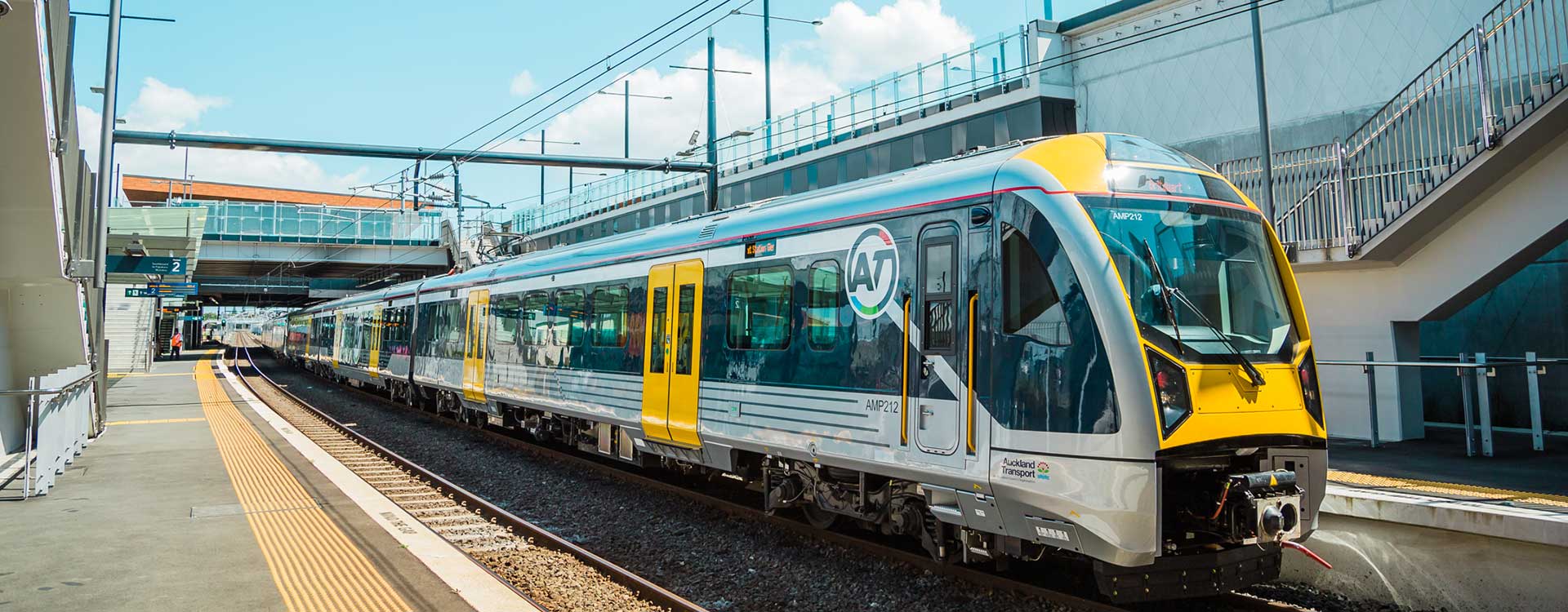
From a transport perspective, clean growth involves driving down emissions by getting people out of fossil fuel vehicles, building new public transport networks including rail, and developing community-focused urban environments that de-emphasise private vehicle ownership and encourage active modes of travel.
Integrating decisions about transport and land use planning is a core clean growth principle – one that will make a big difference in meeting our decarbonisation and climate goals. Consider, for instance, the building of denser urban housing around new public transit hubs - meaning more people can walk, cycle, bus or train for most of their daily journeys.
On the economic side of the ledger, better public transit / active travel solutions and densification correlate to improved urban economies and better opportunities for people living and working in these areas.
A study from the UK for instance, found that transport improvements can expand labour market catchments, improve job matching and facilitate business to business interactions.
In a literature review from the University of Birmingham, compact towns optimised for walking and cycling were found to have a retail density (spend per square metre) up to 2.5 times higher than a typical urban centre. Plus, public realm improvements, including those that cater for cycling, can result in increased trade at local businesses; up to 49 percent in New York City.