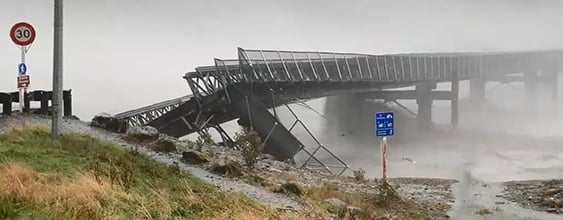
A comprehensive risk management approach is key to building resilience. This begins with mapping the effects of historical weather events to understand where vulnerabilities lie in the network.
Equally important is identifying potential future hazards and vulnerabilities like coastal erosion, landslides and flood-prone areas. But it’s not just about knowing where problems may happen - it’s also about recognising the importance of specific routes, and the consequence of failure of a particular asset.
Not every road is equal. We need to be strategic, investing more heavily in routes that are both critical and vulnerable to natural hazards. Asset owners need investment plans for their roading networks, so that an integrated approach to improving resilience is achieved. This starts at a strategic level but flows down to an operational level, so that people on the ground understand the expected levels of service and criticalities of each road corridor.
Planners and engineers should ask hard questions, such as whether it’s wise to renew an asset on a corridor that might be under water or beyond economic repair in short timeframes e.g., 25 years. Can we do things smarter and more efficiently in a funding constrained environment? Could we start to look at alternative routes now and get them designated so that when intervention becomes necessary, land has been set aside for this purpose? This would also help us know how much to invest in the maintenance and renewal of the existing asset.
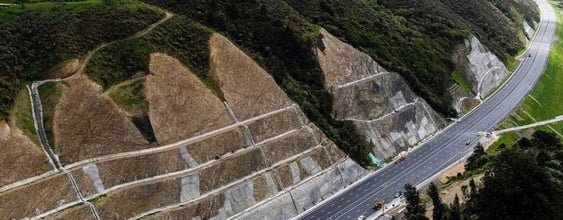
An example of this is the Manawatu Gorge. This road had been subject to rockfalls and landslides for many years, and, finally, following a significant landslide, the road was closed while a permanent detour was planned, designed and constructed – all at high pace. If prior planning had identified this earlier, there could have been a less rushed business case, planning and land acquisition process. All of this could have been completed in advance of a significant event occurring, leading to the new highway being completed earlier and reducing continued investment in the old route prior to it being divested. For example, holding seals and minimal maintenance instead of renewals.
Preventative measures, such as inspecting and maintaining infrastructure, are also important. It’s about being prepared for the worst and ensuring roles and responsibilities are clearly defined, so we can swiftly act when disaster strikes. This might include having contracts in place with contractors and consultants for emergency works, as well as having early warning or alerting systems in place so that risk is identified and prepared for ahead of forecasted events.