In this challenging context, Trigger Action Response Plans (TARPs) provide a structured, consistent framework for responding to natural hazard events and maintaining the safety and functionality of critical infrastructure. WSP Technical Principal for Road Network Resilience Willis Macbeth, and Service Line Leader for Bridge Asset Management Ben Baty explain.
The concept of TARPs has evolved over time, drawing on traditional practices and modern innovations. A well‑known historical parallel is the 'canary in the coalmine' method once used by miners to detect dangerous gas levels. Canaries, being highly sensitive to toxins such as carbon monoxide, served as an early warning system - alerting miners to evacuate before conditions became life‑threatening.
In a similar way, TARPs act as early warning tools for infrastructure risk management. By monitoring defined indicators and triggers, they help identify emerging threats before they escalate and support timely mitigation. Over the years, TARPs have been adapted for different sectors and hazards, increasingly incorporating real‑time monitoring, technology, and data analytics to improve accuracy, visibility, and responsiveness.
In New Zealand’s roading network, TARPs are a relatively recent management technique. They were widely used in the Kaikōura Earthquake response by the North Canterbury Transport Infrastructure Rebuild (NCTIR) team to manage geological risk from unstable slopes above State Highway 1, where rockfall hazards increased significantly during rain events.
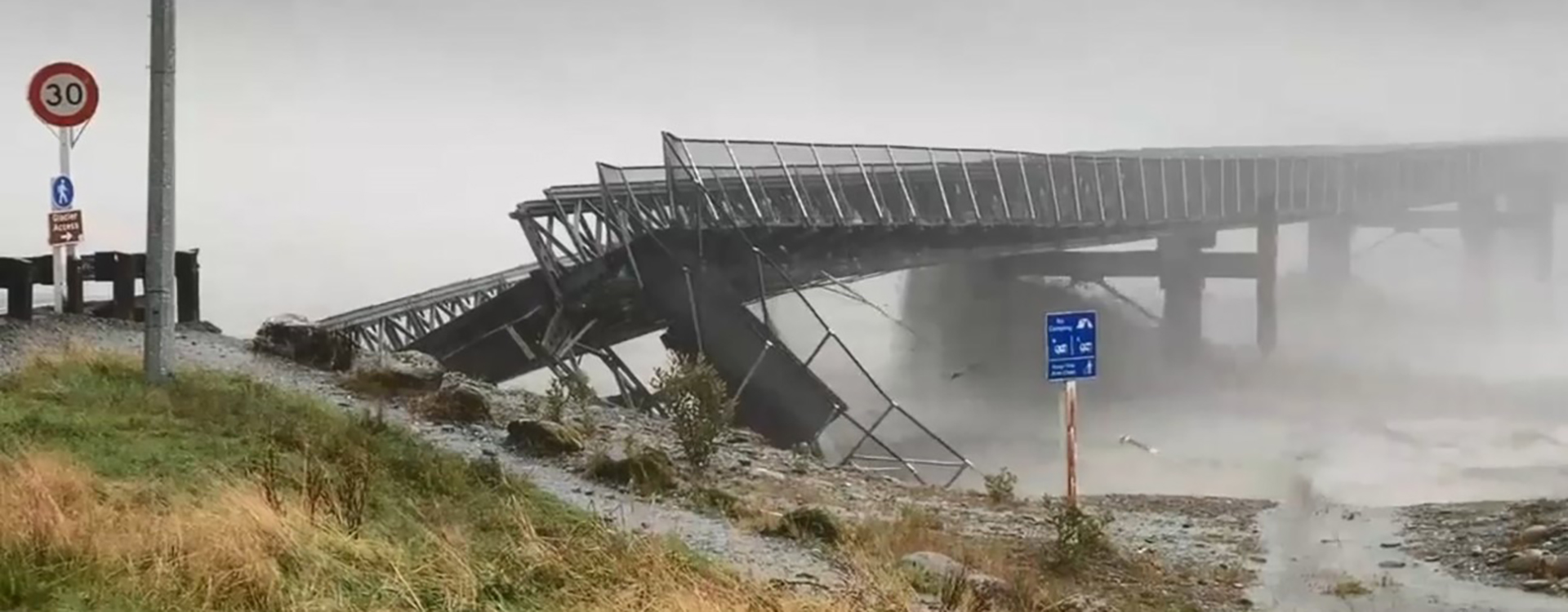
They have also been applied on vulnerable bridges, such as the SH6 Waiho River Bridge and the SH1 Ashburton River Bridge. These traditional TARPs typically relied on manual interpretation of weather forecasts or basic weather‑station thresholds to activate predetermined controls.
A more advanced evolution of this approach is WSP’s Canary Infrastructure Risk Management System. This system integrates real‑time data and predictive analytics to enhance and modernise the TARP process. It represents a step‑change, enabling proactive risk management and giving asset managers the ability to anticipate, communicate, and mitigate risks more effectively.