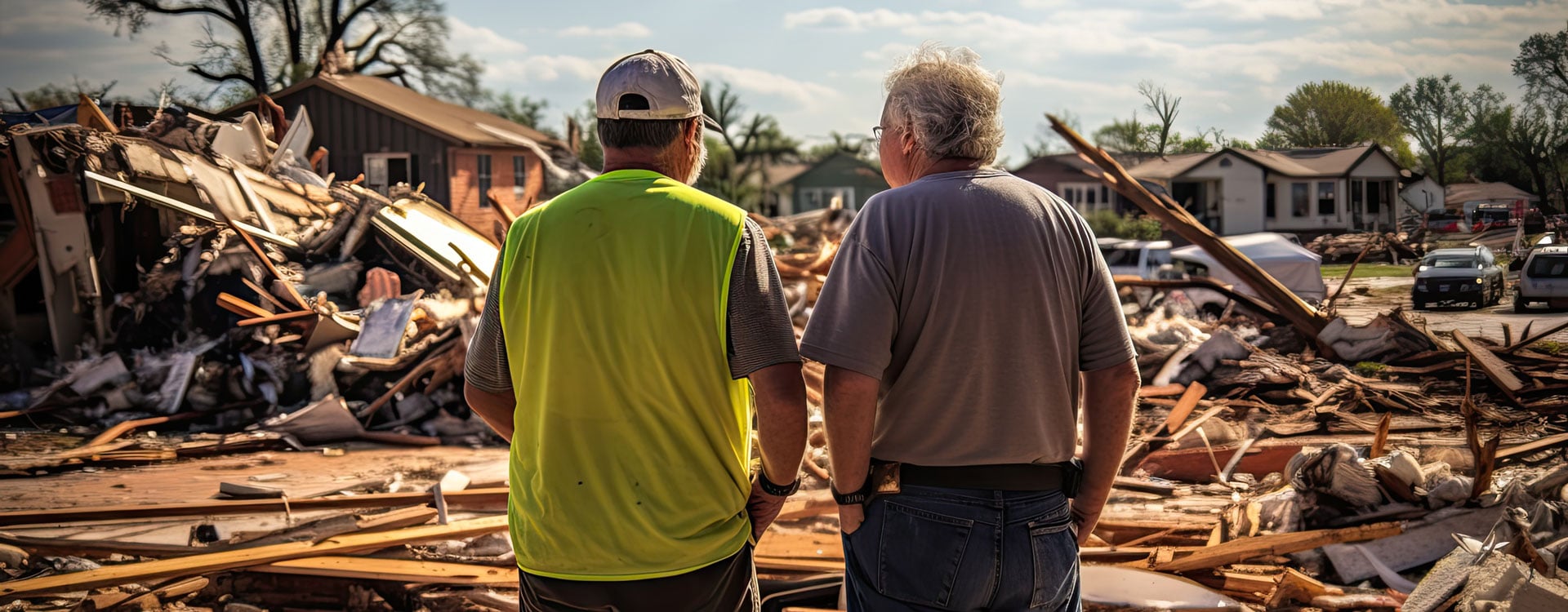
Every destructive event is an opportunity to work with affected communities to rebuild places that will help them better recover next time, and this must include high-quality public places. We build community capital in public places during blue-sky periods, and that capital is vital to recovery. In a grinding cycle of disasters, our reactions after the event become how we’re preparing for the next. We can harness each disaster rebuild as an action toward an adapted future. We can Act-React-Act - and there are steps we can take immediately to start a more constructive cycle.
Act – create and protect public places
Throughout human history - and particularly in high-density areas - public space has been a vital extension of home. It is our fresh air, social hub, gym, travel route, source of peace and third place. It’s not home or work, but where we find our joy and our people. With more than 55% of the world's population living in cities and that proportion growing, the need for well-resourced third places will only grow. Though private venues can be our ‘third places’ too (like your local café), those places can exclude people who don't have the means to enjoy them, so public ones are essential. Public places, including community centres, parks and slow streets, are where we build community ties, especially during hard times.
The public infrastructure that we use every day is vital during disaster precisely because it’s vital to us during blue sky periods. The best public places are familiar. We know where they are and that we can find help there. Community halls become distribution centres, libraries become places to cool down, parks are emergency meeting points. We entrust our government to protect those public spaces, to build and maintain their physical infrastructure (the hardware) and to support the software – the programs, activities and services that bring these places alive. Ideally, they partner with community in managing them as an essential common resource.
When we create a successful, well-loved public place, neighbours know that's where they'll find each other when the normal means of communication and order are broken. The social ties formed in these public spaces build a community’s collective self-sufficiency and capacity for mutual aid. When a disaster shakes us, those ties are all we have, as government support often can't reach communities immediately.