Creating better communities
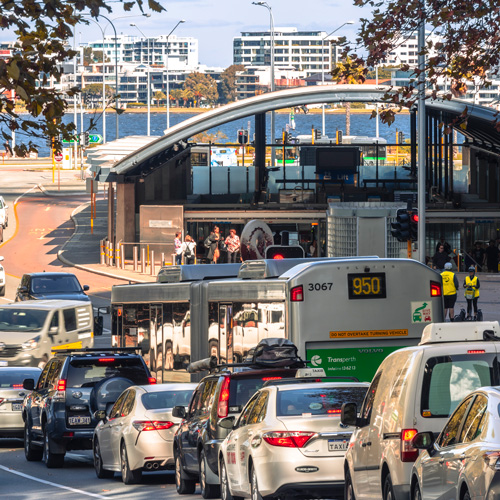
Central to mid-tier transport planning is considering the needs of the communities that mid-tier transport modes will connect. Because of the scale and size of the infrastructure, mid-tier transport solutions integrate much more closely into existing road networks and activity centres than heavy rail, which is traditionally located on the outskirts of major centres. Mid-tier transport stations provide an opportunity to accelerate urban regeneration and infill; stations typically provide foot traffic to encourage new businesses, restaurants, and bars to establish (with the right planning controls in place) nearby. And, with greater public transport access and local entertainment, redevelopment often follows. Studies from across the world show that mid-tier transport encourages increased activity and density around stations.
Mark Fowler, Regional Executive - WA Advisory, says it's crucial to assess the needs of current and potential users. Those needs can then be used to design the service, before applying a technology solution.
“It is not just about providing transport infrastructure; it’s about improving communities. Integrated transport and land use planning is crucial to this. To provide equitable transport outcomes for our communities we need land planning decisions to consider the current and future development of the transport system and vice versa.
“Rail also has a limited catchment, especially given some rail lines in Perth are co-located with major road infrastructure. People use the road network to access train stations, causing congestion on entry and exit, and then parking becomes a premium. So, considered and designed as a system or network, mid-tier allows us to not only connect to end destinations and nodes, but also provides a viable option for interchange to other public transport routes increasing the potential for end-to-end trips solely on public transport.
“In the bigger picture of a commitment to Net Zero, changing to electric vehicles only gets you part of the way there because there will be more people and more travel demand. It’s about thinking about moving people rather than moving vehicles. With a holistic public transport system in place, you can make a choice between car or no car rather than combustion engine versus electric vehicle.”
For more information about mid-tier transport, contact Zoe Maher below.