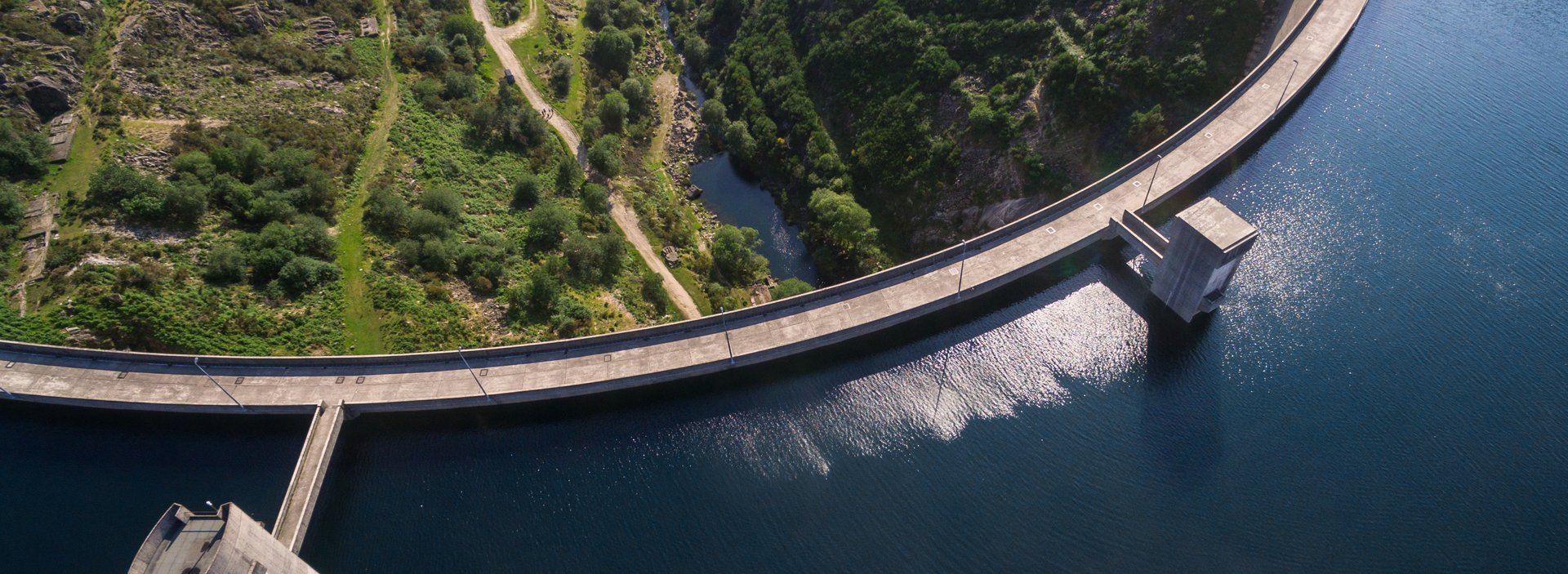
The art and value of managing asset resilience
Charlie Jewkes shines a light on why new is not always better when it comes to infrastructure
map marker
Australia
|
Tuesday, 26 August 2025
From a political investment perspective, maintenance always comes very low down in the priority list against something new that might be worth headlines and a few votes.

With good decision-making data and knowledge of actual asset performance, condition and capability, we can plan and invest in what is actually needed.


From water to watts, resilience starts with maintenance. Connect with our team to learn more.

Charlie Jewkes
Managing Director - Water, Power & Energy
Australia


Dean Toomey
Director, Water
Australia


Felicity Galluzzo
Director of Power & Energy, Australia
Australia

Thomas Goodyer
Head of Strategic Asset Management
United Kingdom

Matthew Stahl
Section Executive, Asset Management & Planning
Australia


Rami Affan
Technical Executive - Strategic Asset Management
Australia