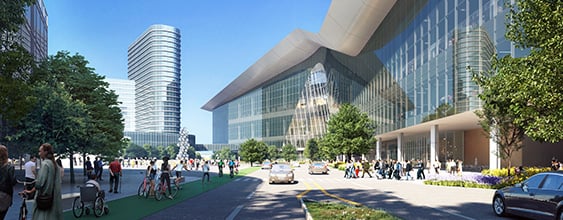
The process of co-design, if handled with cultural sensitivity and care, can be validating and healing. Central to the co-design process is creating safe spaces for deep listening about what local Aboriginal people see as important and would value as an outcome.
With respectful and inclusive co-design, an infrastructure project may be able to weave local stories, language, artwork or materials into the structure, façade, fittings or furnishings. The project could include structural features that enable Aboriginal communities to feel more comfortable or culturally safe in the space. Features to facilitate ongoing connection, like the yarning circles we’ve designed into some of our projects, could be incorporated.
Our goal for co-design is that Aboriginal communities can have meaningful input into infrastructure projects and achieve outcomes that are not merely acceptable to communities, but even uplifting.
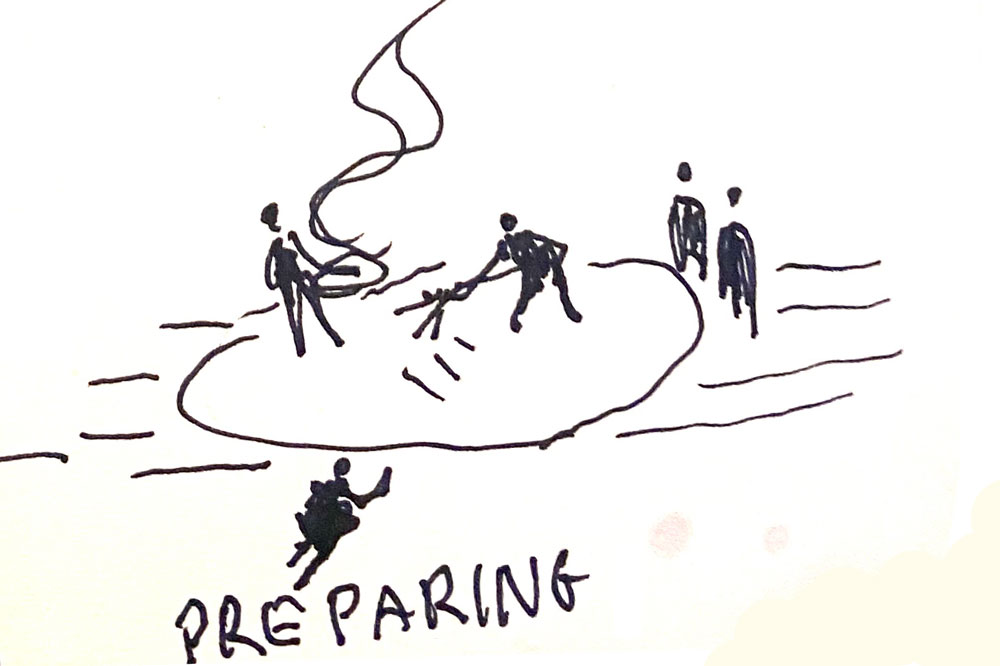
Before any construction or renovation begins however, it’s important to properly prepare the site with appropriate Aboriginal ceremony.
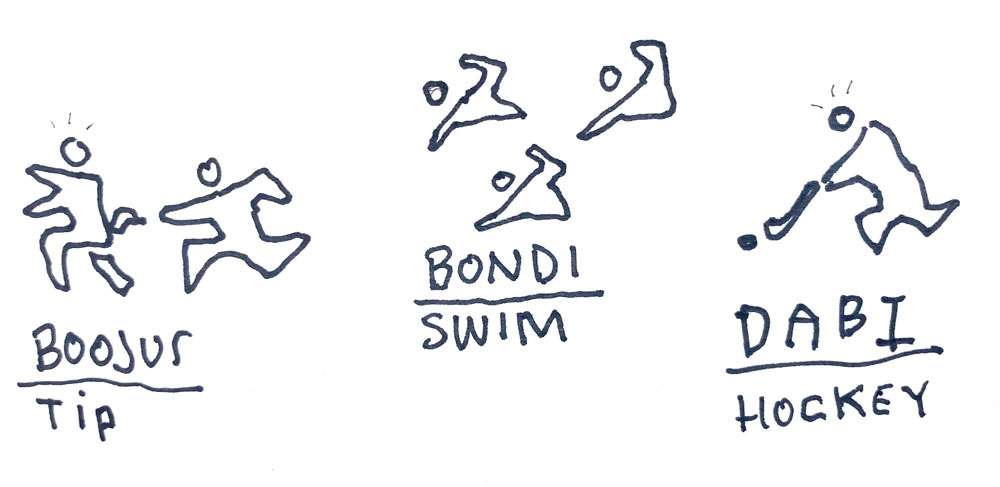
Talking Language and a long sporting history
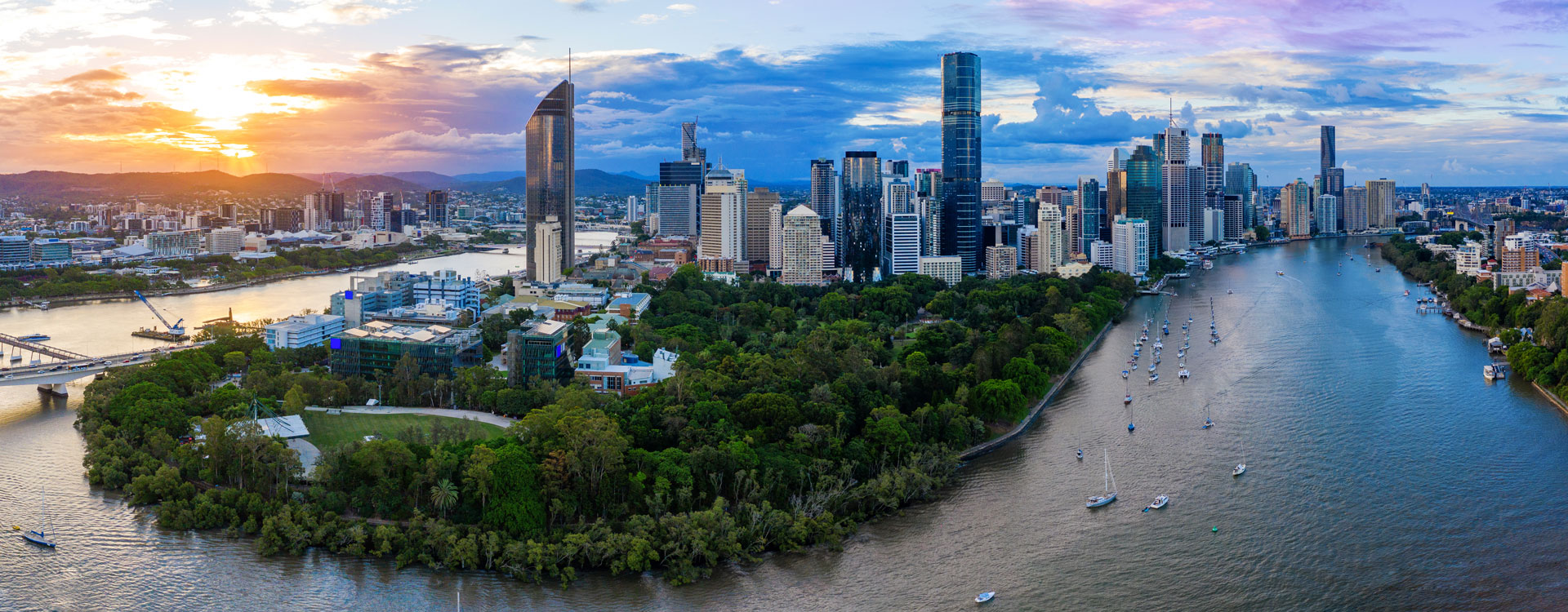
The Games will not only be held in Turrbal and Yuggera Country (Brisbane) but will also see events across Yuggera and Bundjalung Country (the Gold Coast), Wakka Wakka and Gubbi Gubbi Country (Sunshine Coast), Bindal and Wulgurukaba Country (Townsville), and Djabugay and Yidinji Country (Cairns).
Elevating traditional names, wherever possible is an easy way to remind us all that this land has a very long history and enduring communities of Traditional Owners.
On this Country, Aboriginal tribes would face each other in competitive combat at ‘bora rings' – today’s sporting grounds. The biggest bora ring was where the Gabba stadium now sits and where sport continues to be played.
Sports and competitive games that have been played in Jaggera Country include Buran, a throwing game using a boomerang, and Ngarinbarm, a swimming game played in the lagoons around Brisbane.
The 2032 Games provide an opportunity for us to incorporate more stories about Aboriginal sporting history and more names in Aboriginal languages.
Planting a positive legacy
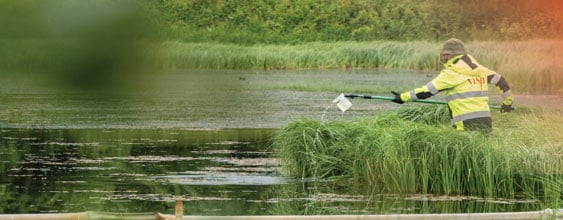
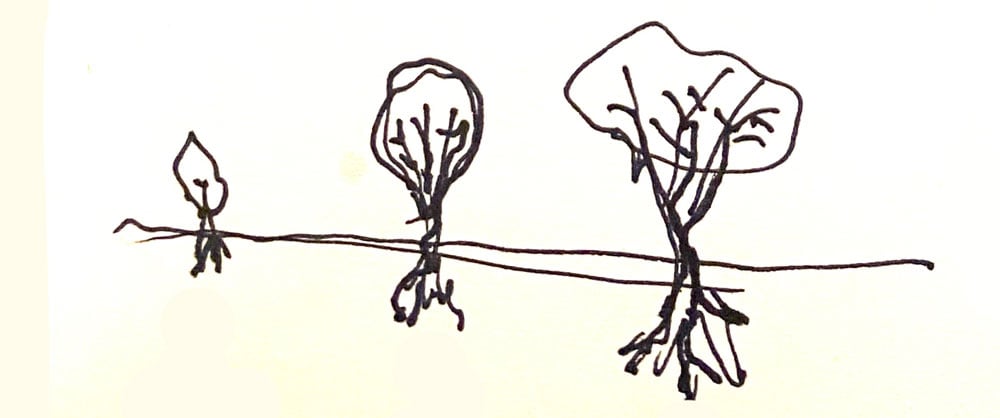
With eight years to go before Brisbane 2032, there’s time to establish native plantings. The Games can ‘care for Country’ by accelerating investments in green infrastructure and expediting projects that regenerate and restore natural landscapes and waterways in accordance with traditional knowledge as well as modern science. Investments in native biodiversity will deliver a valuable legacy into the future – creating a healthier and more resilient environment and more appealing places to live.
Growing a brighter future
In recognition that hosting Brisbane 2032 is a significant investment, the ‘Elevate 2042’ strategy sets out the longer term economic, cultural and environmental benefits that the Games strives to deliver. One of the key themes is ‘respecting, advancing and celebrating Aboriginal and Torres Strait Islander Peoples’, including ‘opportunities for all Aboriginal and Torres Strait Islander peoples in sport, economic participation, arts, culture, tourism and life’.
This means greater inclusion of Aboriginal people in the governance, planning, design and delivery of the Games, more Aboriginal community participation in sport, better pathways for Aboriginal athletes and sports professionals, and many more opportunities for employing Aboriginal personnel and supporting Aboriginal-led businesses.
Every Olympics-related project that has a procurement, employment or training element can make a very meaningful difference.