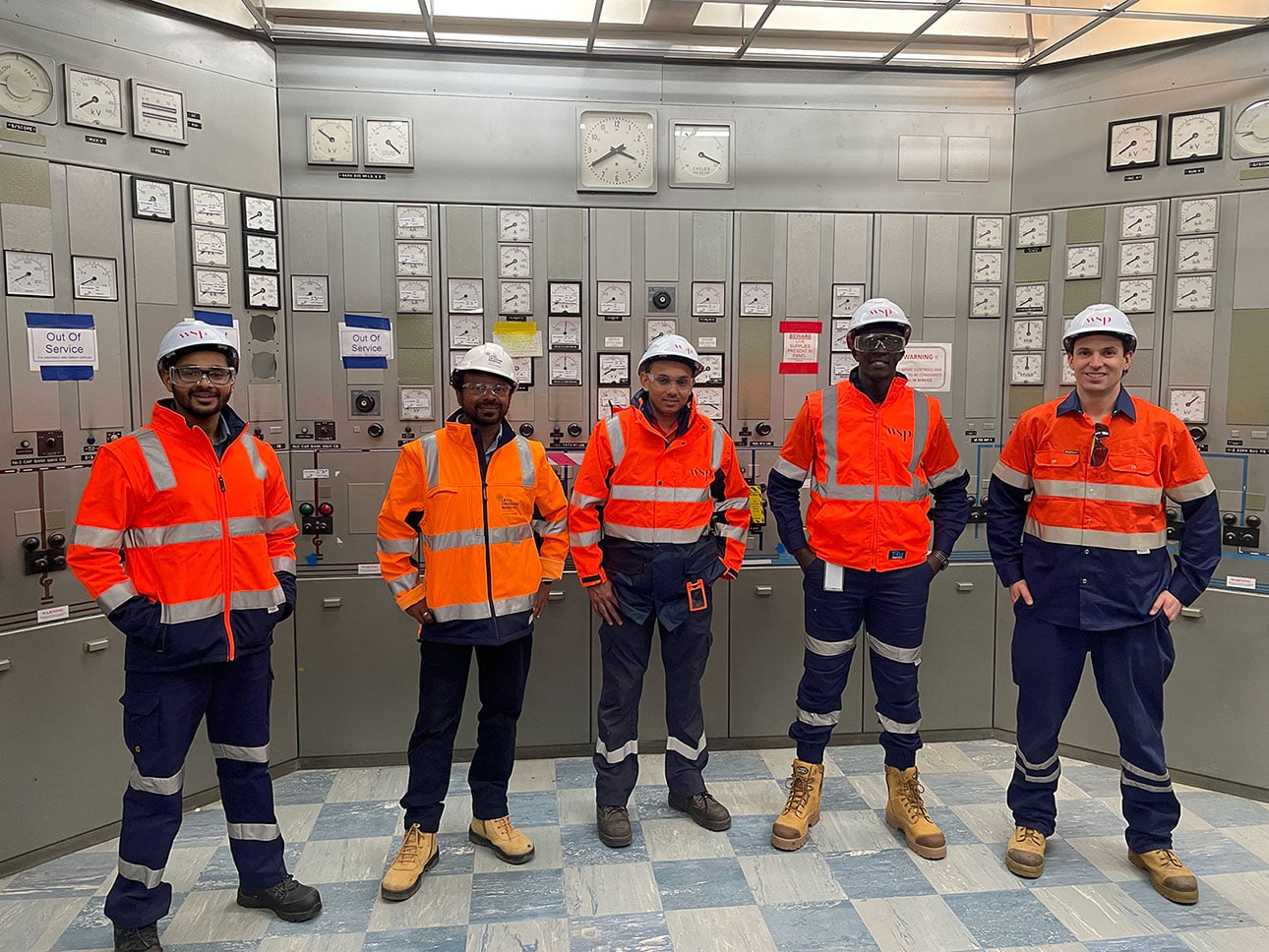
The Australian Energy Market Operator (AEMO) is proposing that Australia needs more than 10,000 km of new high-voltage transmission lines to get new renewable energy to consumers. However, the roll-out of new transmission lines is concerning some developers by being too slow, and some communities by being too fast or falling short in terms of social licence.
Steve agrees that it’s a challenging space. “Transmission infrastructure needs to be built to facilitate the energy transition and power our communities, but the location of our new generation is now in different places,” he says. “This impacts local communities who don’t necessarily want transmission lines on their land and may have concerns about the impact of new infrastructure and are voicing a range of concerns.
“I’m an electrical engineer and I lead a team of engineers, drafters and project managers who, like me, are eager to get out and design transmission lines and substations to make positive changes to our power infrastructure and our environment, but we need to put ourselves in the shoes of the people that transmission infrastructure impacts,” he says.
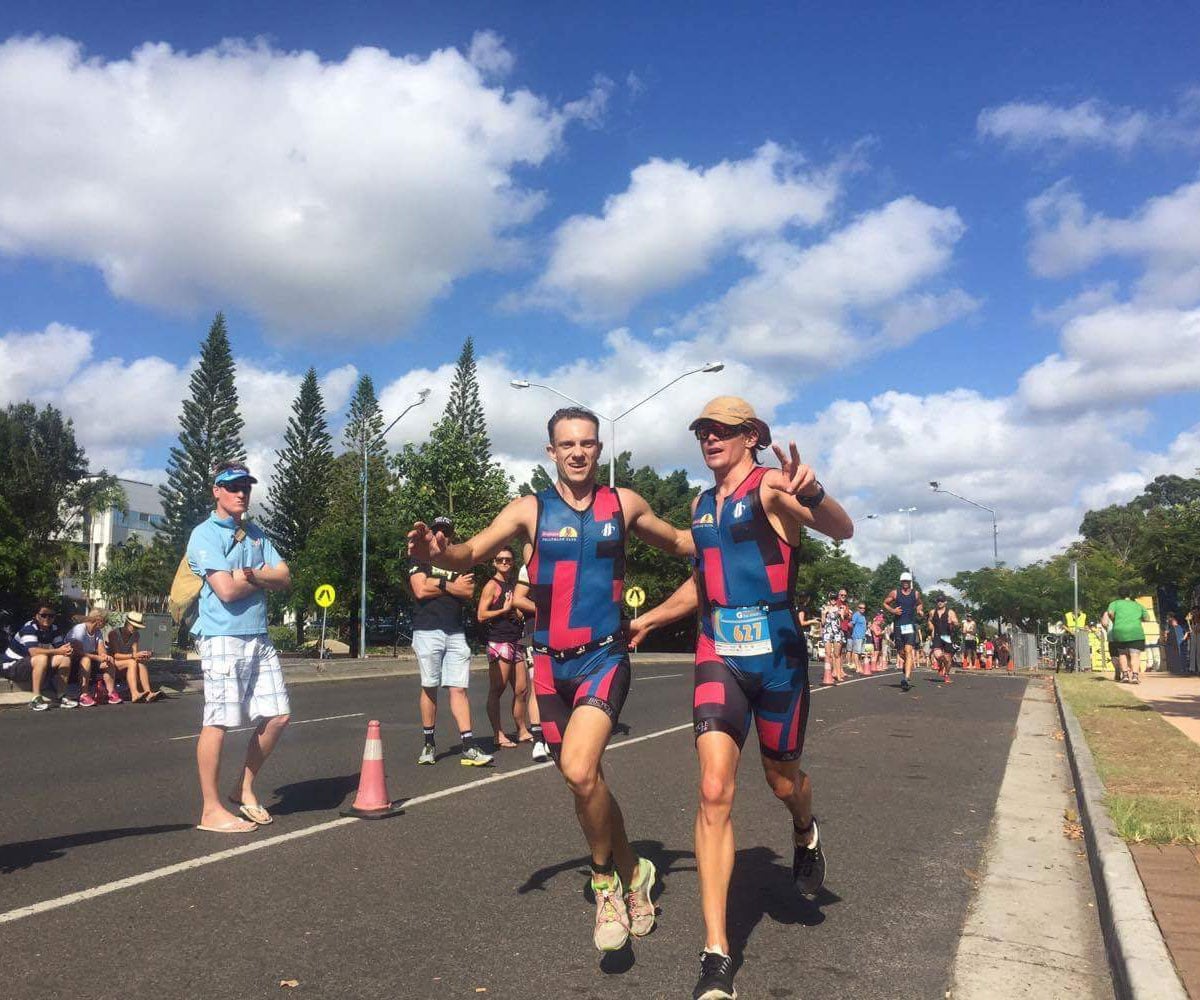
A dedicated triathlete outside of work, Steve brings his dedication and discipline from his sport to his work.
Connecting communities
The team works very closely with colleagues across WSP to make sure that their work is doing the right thing for the environment and for communities.
“Ideally, our work needs to meet our clients’ functional requirements, deliver value for money for consumers and improve social licence – which makes our work endlessly interesting and challenging,” says Steve.
“WSP has a very strong track record in planning, approvals, stakeholder engagement and environmental assessment, which are so important to facilitate a transmission line or substation project,” he says. “With this multidisciplinary capability, we offer our clients a holistic service and extend our thinking beyond a purely technical focus to provide better outcomes for communities.”
The team has been working with The Energy Charter to improve communication with rural communities about underground versus overhead lines.
“What WSP can provide is a more technical and more nuanced understanding about the technical challenges and considerations about overhead versus underground lines and what’s required to facilitate them. Organisations like The Energy Charter can then provide better information to communities to help people understand the decision-making process and ultimately to enable best practice.”
Beyond new renewables
Steve’s team consists of high-voltage specialists working across different industries to deliver high voltage infrastructure design and advice.
Our team currently supports a range of projects that requires new substations and cables, including Suburban Rail Loop, Melbourne’s Art Precinct and Queensland Rail Manufacturing Program.
The team also provides advice on emerging net zero emissions in the transport sector. “We bring our high-voltage expertise and provide technical advice when electrifying existing bus depots,” he says. “I think that the rapid push towards electrification will mean that we’ll become involved in more projects across diverse sectors that will impact high-voltage systems and the connection back to the grid.”
Transmission contestability
Australia’s transmission and distribution network has primarily been built, operated and maintained by large network service providers, but the concept of ‘contestability’ is helping to change the face of the sector.