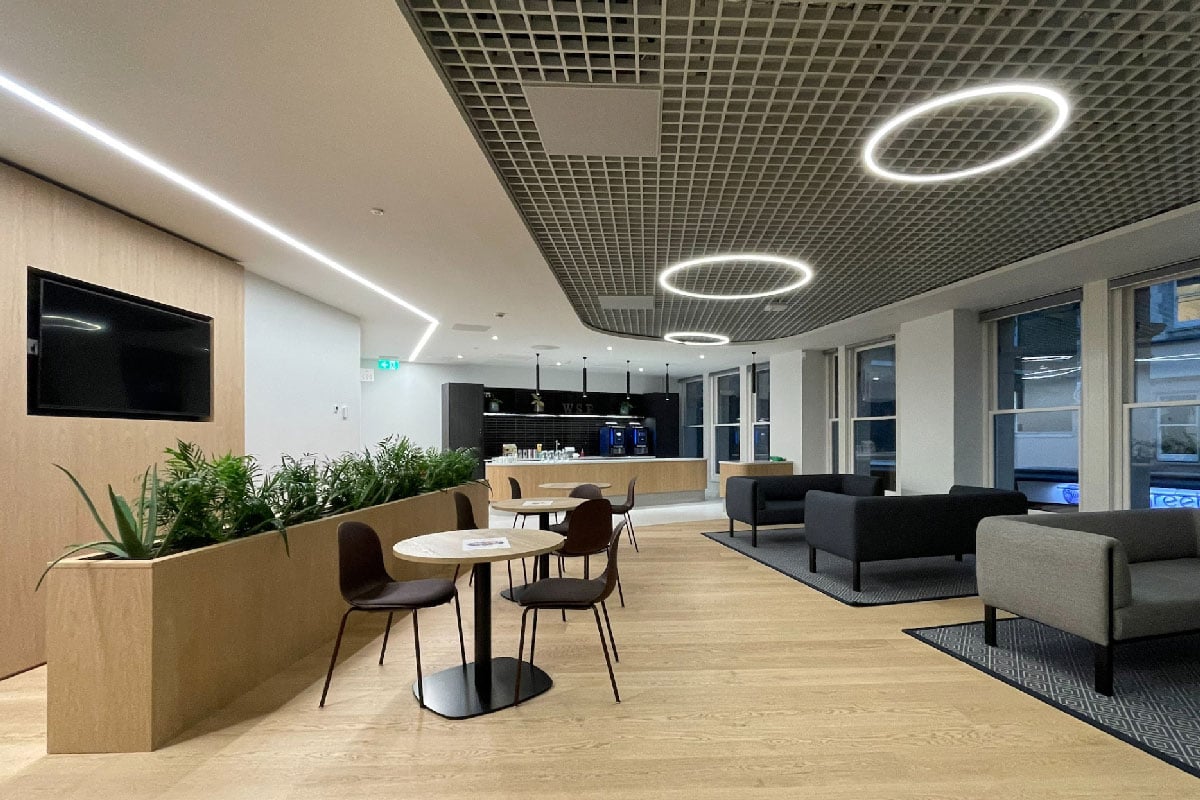
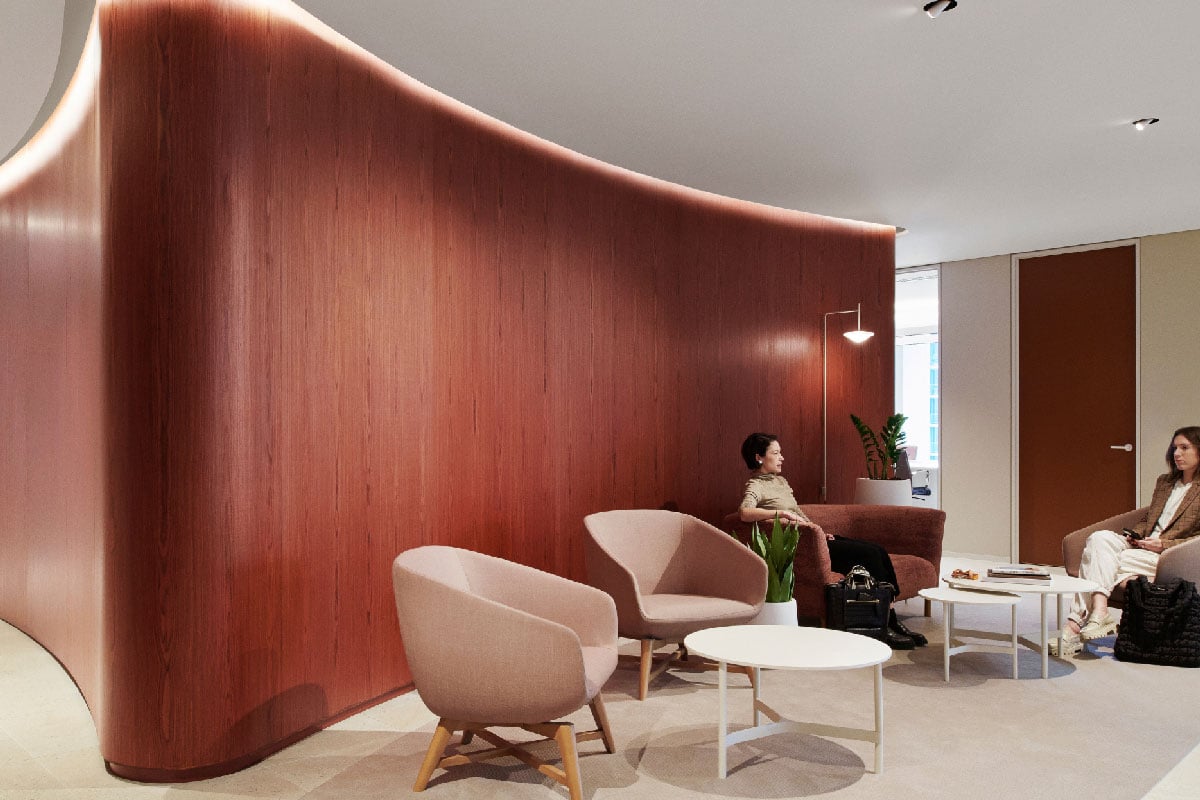
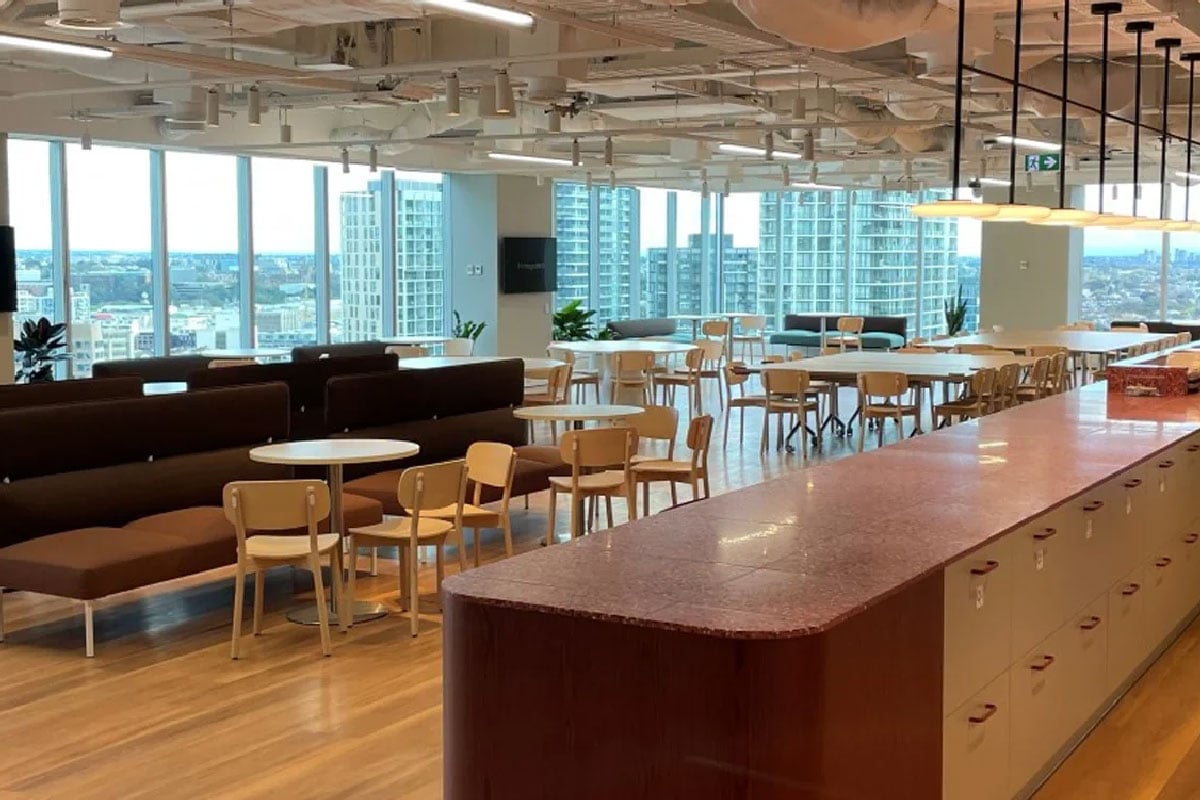
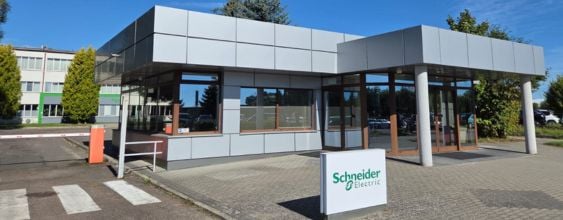
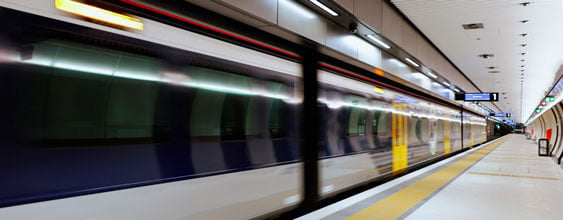
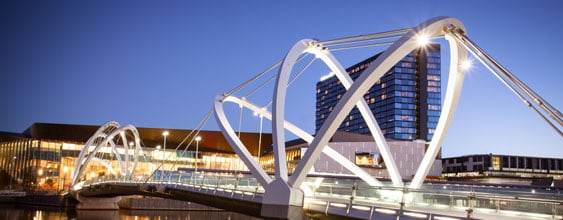
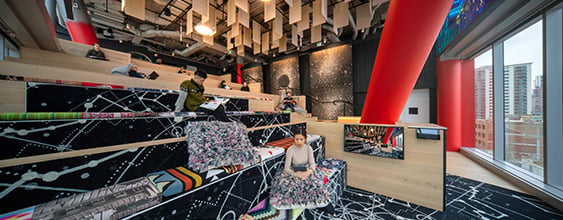
Chancery Lane, Kakelhuset, and Sydney are different by design, as are all of the offices in our portfolio. Our Global Workplace Guidance provides a common framework rather than identical workplaces.
"While these offices are different, they do not follow three distinct transformation strategies,” said Matthew Wherry, WSP’s Director of Global Workplace Strategy. “Our guidance helps us apply a single framework across diverse building types, markets, and local or operational constraints. That is precisely the intent. Sustainability principles should be embedded in everyday real estate decisions because that is where the majority of a portfolio's impact is ultimately determined."
As offices evolve, the framework helps teams consider measures such as efficient lighting, all-electric HVAC, indoor air-quality monitoring, renewable electricity, cycling and EV facilities, circular reuse, water efficiency, smart building technologies, wellbeing and inclusion, and ongoing performance monitoring.
Creating value beyond carbon reduction
Workplace sustainability is both an ESG priority and a business opportunity:
- For our people: Designed to support inclusion, health, wellbeing, collaboration, and flexibility through comfortable indoor environments and a choice of spaces for different work styles. These features may also contribute to recruitment and retention efforts.
- For the environment: Helps identify opportunities to address operational emissions, local air quality, waste, and resource use tailored to local conditions and through project-specific assessment.
- For the business: Supports opportunities to improve energy and space efficiency, help manage operating costs and use workplace performance insights to inform operational, resilience, and investment decisions.
- For clients: Translates lessons from our own implementation experience to help clients improve performance, maintain continuity and build resilience.
- For investors: Considers sustainability goals alongside efficiency risk management and long-term value creation.
Progress, built in
Sustainable workplace transformation does not mean changing everything at once. A lease renewal can be an opportunity to assess building performance and discuss potential investment initiatives with landlords.
A refurbishment can create opportunities to reduce energy demand and retain existing building elements that might otherwise be replaced. A move can create opportunities for furniture reuse. A redesign can strengthen wellbeing, collaboration, and efficient space use. Using these natural intervention points helps align sustainability progress with business needs.
“Our ambition is not to have a single flagship sustainable office typology. It is to drive continuous improvement across our global workplace portfolio that reflects the local context and drivers. By applying the same principles we help clients implement, we are lowering costs whilst simultaneously making workplace sustainability an ongoing part of better real estate performance” said David Leversha, WSP Property & Buildings Decarbonization and Sustainability lead.
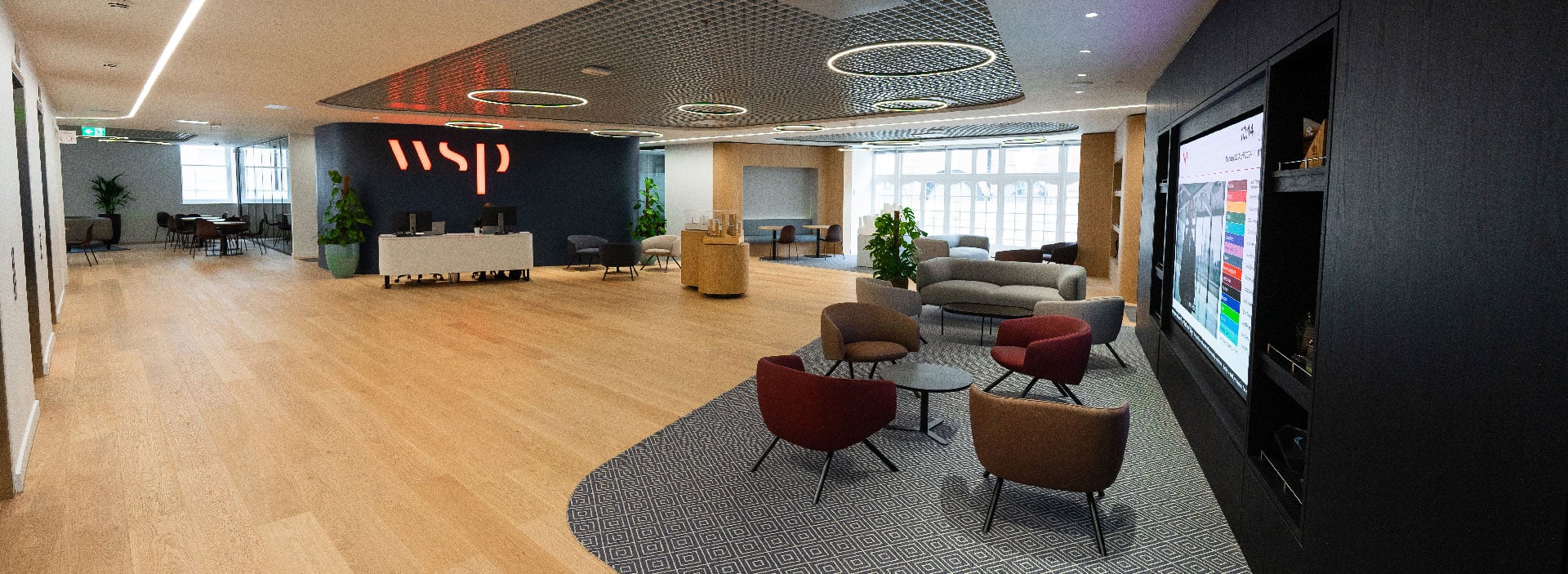
 Sustainability principles should be embedded in everyday real estate decisions because that is where the majority of a portfolio's impact is ultimately determined.