Building lasting social value
Jennifer McDonnell and Russell have seen examples of water projects where investing time and energy in getting the engagement process right has led to great outcomes for local communities.
Russell describes a project in which WSP’s team worked with Traditional Owners to design a cultural overlay and a way to increase the appreciation of local wetlands. A trail was created through the wetlands with storyboards and QR codes to share traditional knowledge. School visits were planned to further educate the next generation about the value of these water bodies. An entry point statement reminds visitors that they are on traditional land, and the exit includes a representation of the fire and smoking ceremony to cleanse people on their way back into the community.
Regardless of the type of project, there are often opportunities to add cultural elements into landscaping, façades, shared pathways or building designs. Some projects may commission Aboriginal artworks, incorporate Aboriginal naming, or include walks on Country or special public spaces for yarning circles or other cultural gatherings. All of these can serve to increase cultural understanding. With the right consultation these acknowledgements can bring industries and communities together to celebrate the history of an area and its first peoples.
Infrastructure projects are also increasingly exploring opportunities for delivering lasting social value through economic opportunities and employment.
“In the renewable energy space, we’re seeing more Traditional Owners being included in governance and as co-investors and co-owners of projects, and this could also be adopted in water projects,” says Jennifer. “Another powerful mechanism open to governments, utilities and project developers across all sectors is to engage Indigenous personnel and Indigenous small businesses to co-deliver the project and to continue to operate it. This creates a ripple effect that helps the project’s local community in the longer term.”
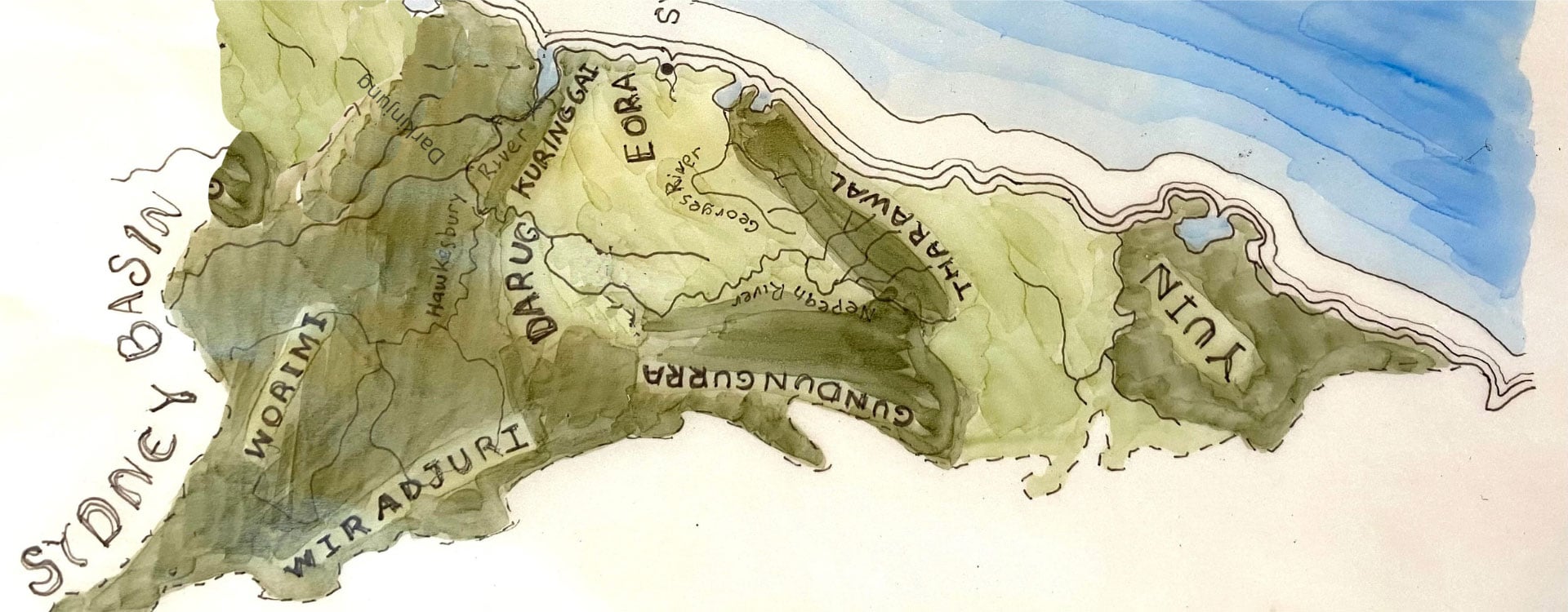
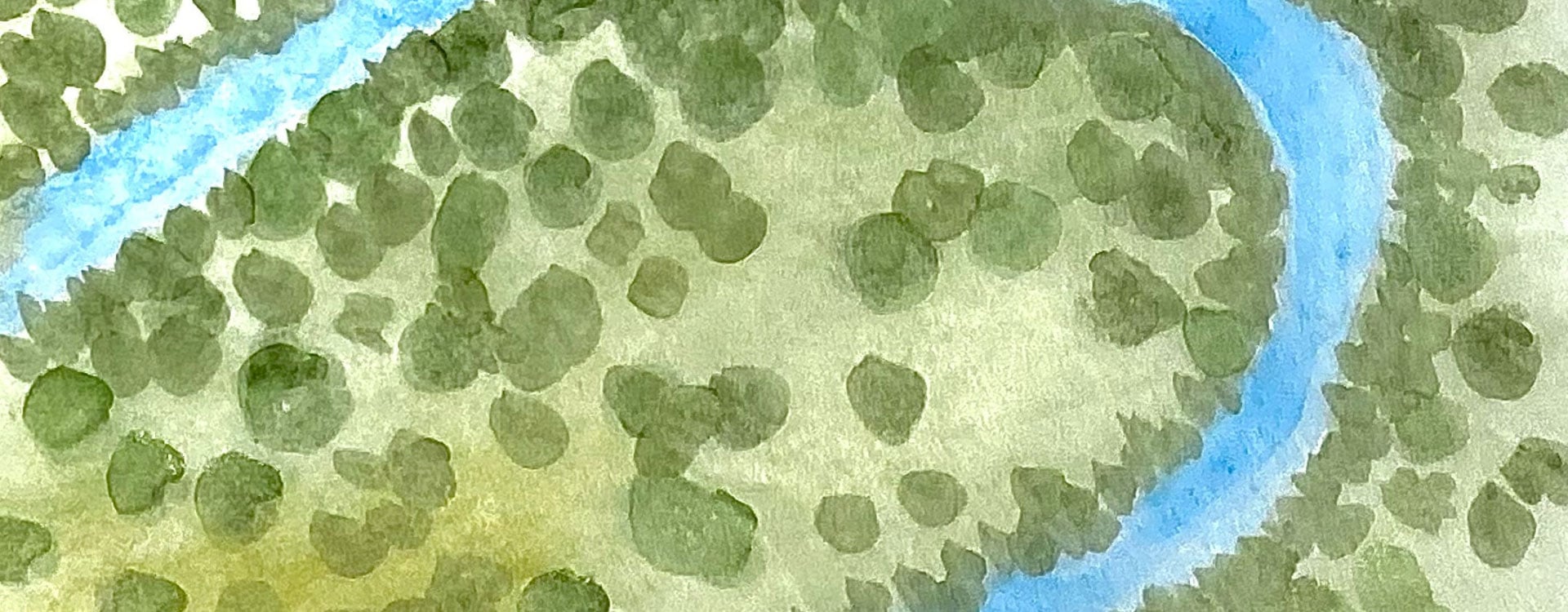
Sydney Water Basin and Aboriginal tribes by Michael Hromek, Technical Executive – Indigenous (Architecture), Design and Knowledge (Yuin) 2021.
Healing Country and healing culture
Some water projects may be able to repair past damage or go some way towards righting historical wrongs, such as prior over-extraction or pollution of water sources. If designed in partnership with Traditional Owners, remediation can potentially be a form of ‘healing of Country’.
Russell says that while the outcome of a project can bring a level of healing, so too can the process of engagement and co-design.
“We’ve heard from some Traditional Owners and groups we’ve worked with that the atmosphere of deep listening, respect and trust has created a place where cultural healing is possible.
“The healing comes from feeling culturally safe and confident to share knowledge they’ve held for a long time, and to see that their input is respected, valued and acted on.”
“The space we create allows them to articulate and share their stories,” he says, “and in some cases, they might not have told them to anyone else before.”
Learning across industries
Jennifer and Russell see an opportunity for Water Authorities and project developers to harness lessons learnt from other sectors in which First Nations engagement and cultural co-design have been successful.
On a large project in the rail sector, they worked with the client to develop a framework that could be adaptable to any infrastructure project, such as desalination plants, water pipelines, sewage infrastructure or dams. The framework highlights the critical points and ‘gates’ at the start of a project and between certain key packages of works when teams need to reach out to Traditional Owners to start conversations, to gather feedback on concept designs, or to get endorsement and approval.
“Co-design with First Nations communities is not necessarily difficult nor expensive if the engagement process starts early enough and is built on strong foundations of respect, authenticity and genuine purpose,” says Russell.
“Australia’s First Peoples have respected, protected and sustainably managed water for tens of thousands of years. To get the best outcomes for them as well as for the project and our future as a nation, it’s time to listen and learn.”