The interactive mapping tool allowed the community to rank the park features in order of importance. This gave Council a clear overview of community desires for the park and informed our client’s priorities for different park elements. From an accessibility and inclusivity perspective, the interactive map offered an alternative to text-based feedback processes such as surveys. Community members with language barriers could comment easily on the park’s proposed layout.
In stage 3, the draft master plan was made available online, and the community was encouraged to comment via a Have Your Say Survey, available on the project’s webpage. Our team developed a summary of findings, drawing out key themes and master plan elements with the most feedback, which was published on the project site.
Using both in-person and digital engagement methods allowed a wide range of community feedback, and our focus on inclusivity helped capture the diversity of the Maleny community.
Getting back to nature
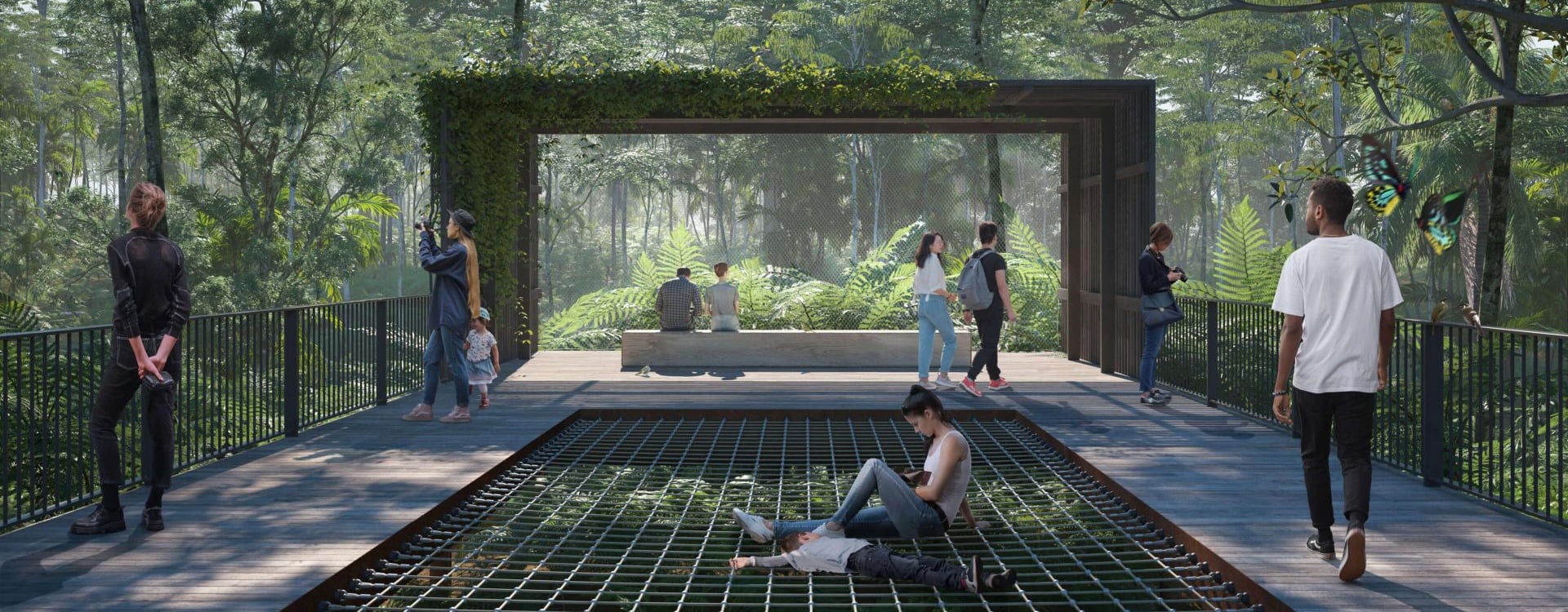
The community’s input has helped shape the park’s final design– which includes walking trails, a wetland, loop path, forest lookout, treetop bridge, opportunities for nature play, and facilities for research, education, community building, and land stewardship.
The master plan has been endorsed by the Council and will guide detailed design and construction over the next 10 years.
The park is a leading example of a win-win solution for the health of nature and for healthy, happy communities – both of which are central to making great places for life. As this green asset evolves and flourishes over time, it will continue to provide the community and visitors with opportunities to be inspired and rejuvenated by nature and to connect with Country.


.png)